
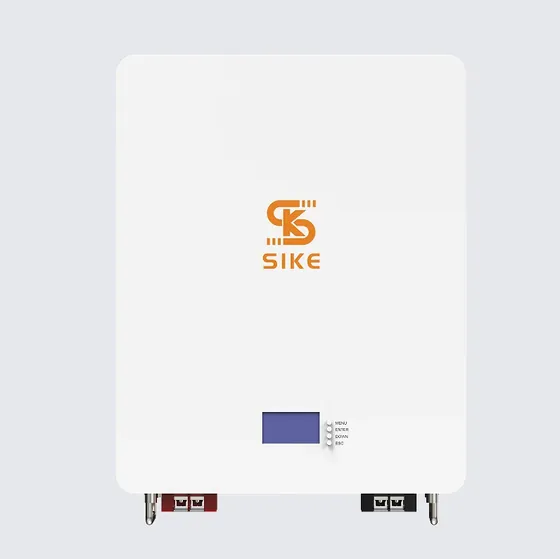
Powerwall Lithium Batteries
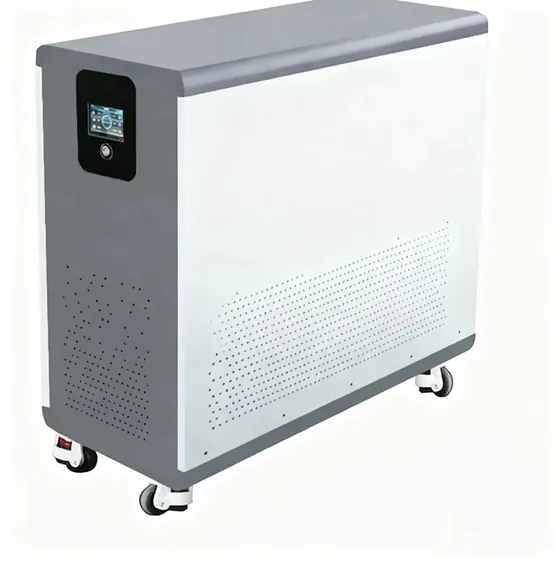
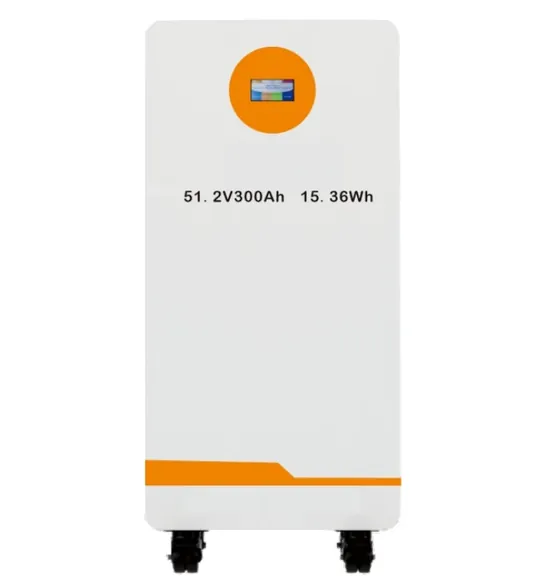
Wall-mounted 51.2V home storage from 5 kWh to 30 kWh, 6000+ cycles, five-year warranty, IP54 on the wall-hung models.
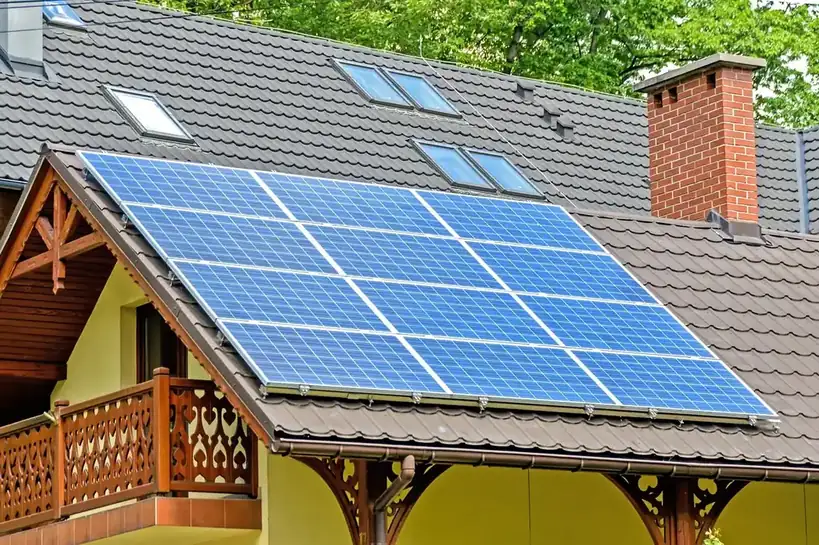
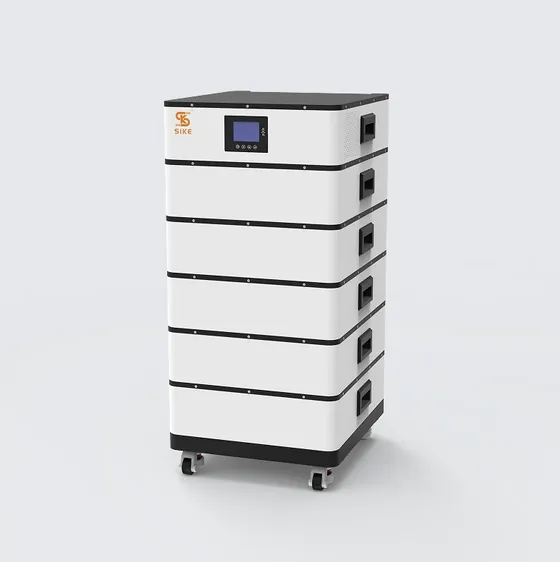
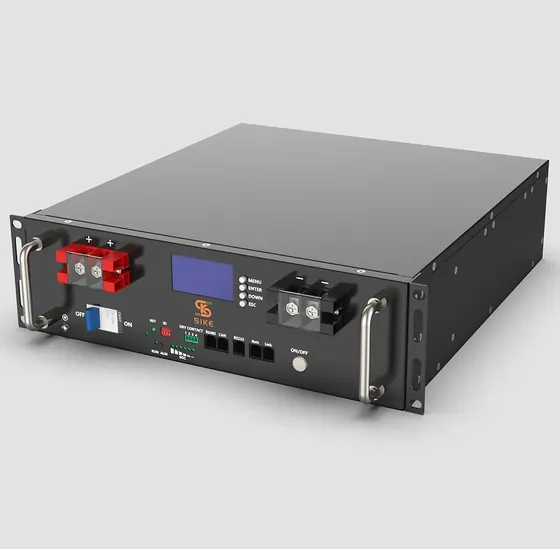
Powerwall, stackable and rack mount 51.2V storage for homes running solar self-consumption, tariff shifting or full off-grid.
Most residential enquiries arrive with the array already installed and a question about the evening. Sike supplies the battery side of that in three formats on one voltage: wall-mounted packs from 5 to 15 kWh, a 30 kWh floor unit, stackable modules that grow 5 kWh at a time, and 19-inch rack modules for houses with an equipment cabinet. All 51.2V, all 6000+ cycles, all with a five-year warranty on the energy storage range.
A battery specified from the inverter rating rather than the evening kWh is either too small by the second summer or too expensive to sign off.
Fixed-capacity storage cannot grow. The stackable and powerwall ranges parallel on the same 51.2V bus, so the second phase is a module rather than a redesign.
The battery arrives and the hybrid inverter will not talk to it. Send the inverter model with the enquiry and it gets confirmed before shipping.
6000+ cycles is the published rating on the residential range, backed by a five-year warranty and a 10+ year service life expectation.
Wall-mounted 51.2V home storage from 5 kWh to 30 kWh, 6000+ cycles, five-year warranty, IP54 on the wall-hung models.
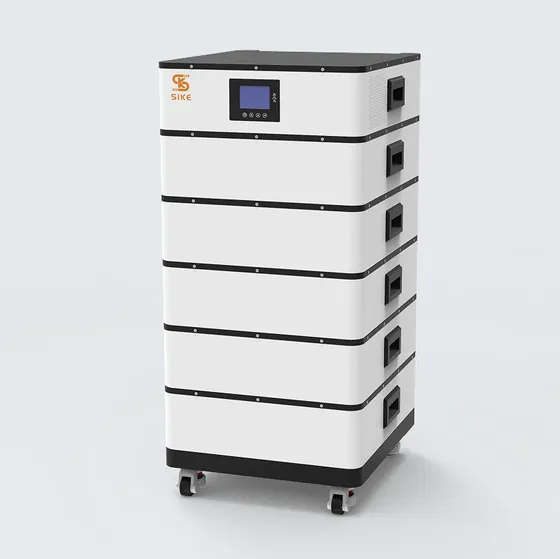
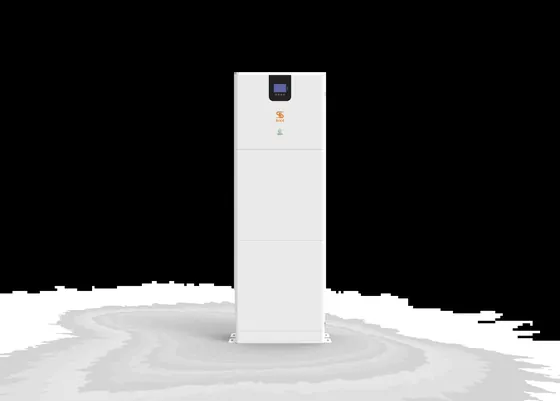
51.2V modules that stack from 5 kWh to 30 kWh, 6000+ cycles, RS232, RS485 and CAN communication.
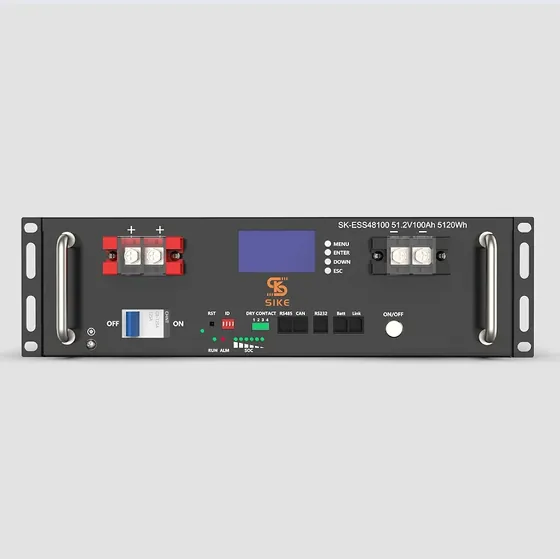
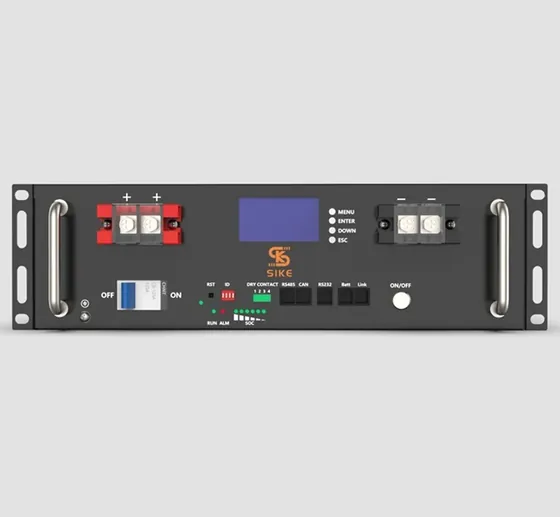
19-inch 51.2V modules at 5 kWh and 10 kWh, 6000+ cycles, IP54, for racks that have to stay serviceable.
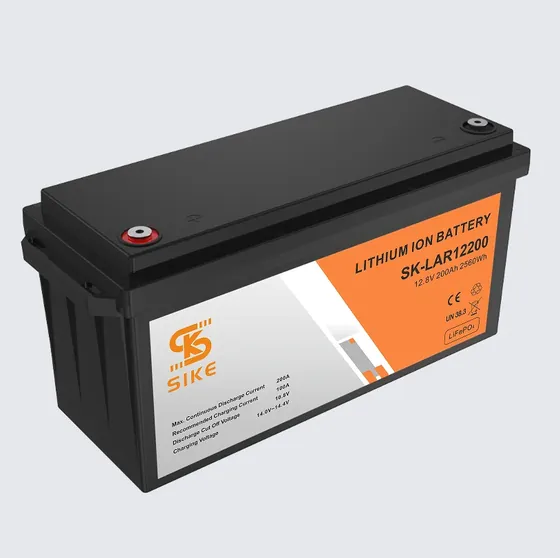
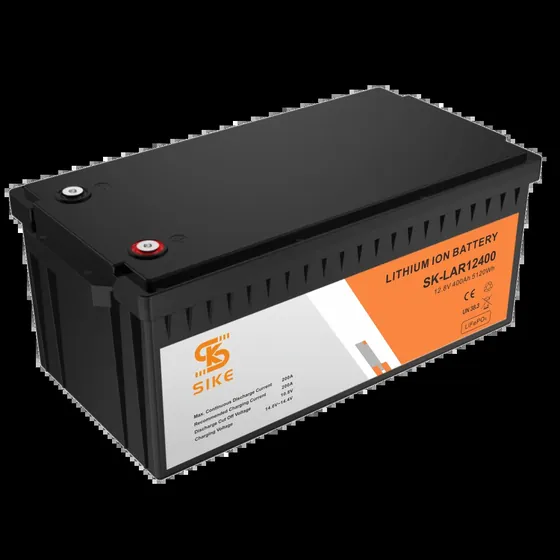
Drop-in LiFePO4 replacements for lead-acid, from an 8Ah UPS block to a 400Ah house bank, with IP65 cases and Bluetooth monitoring.
Daily kWh, evening peak, the inverter model and whether the system is grid-tied, hybrid or off-grid.
Wall mount, stackable or rack, with the module count and the expansion path spelled out.
Communication with your inverter, plus CE, UN38.3 and MSDS for the model you are ordering.
Distributors usually take a sample first. Project buyers go straight to the order with the specification sheet approved.
Settings, monitoring and warranty handled by the same people who quoted the job.
Why a 100Ah lithium pack replaces a 200Ah lead-acid bank, what changes about charging, and where lead-acid still makes sense.
Working from evening load rather than array size, choosing between 5, 10, 15 and 30 kWh, and leaving an expansion path.
The five protections, why balancing decides whether a 6000-cycle rating is real, and what current rating to specify.
It comes from the evening load, not the array. A household using 10 kWh a day with most of it after dark is a 10 kWh conversation; one with air conditioning or a heat pump moves toward 15 kWh or a stack. Send us a day of consumption data and we will size it properly.
They are all 51.2V, but mixing formats in one bank is not the clean way to build it. Pick the format at design time and expand within it. Tell us the final target capacity and we will specify the first phase so it can get there.
No. We build battery packs. That means we are honest about protocol compatibility rather than pushing a bundle - send the inverter model and we will confirm the match.
That depends on your inverter's backup capability, not the battery. A hybrid inverter with a backup port will carry the loads it is wired to; the battery supplies the energy for as long as the capacity lasts.
The published rating is 6000+ cycles with a 10+ year service life expectation and a five-year warranty on the energy storage range. Cycling once a day, that rating is the number to plan around.
Yes, sample orders are normal before a bulk purchase, and the source site states samples are available for testing. Ask on WhatsApp and we will quote the single unit and the freight.
Tell us the load, the space and the equipment it has to work with, and the answer names a pack and a capacity.