
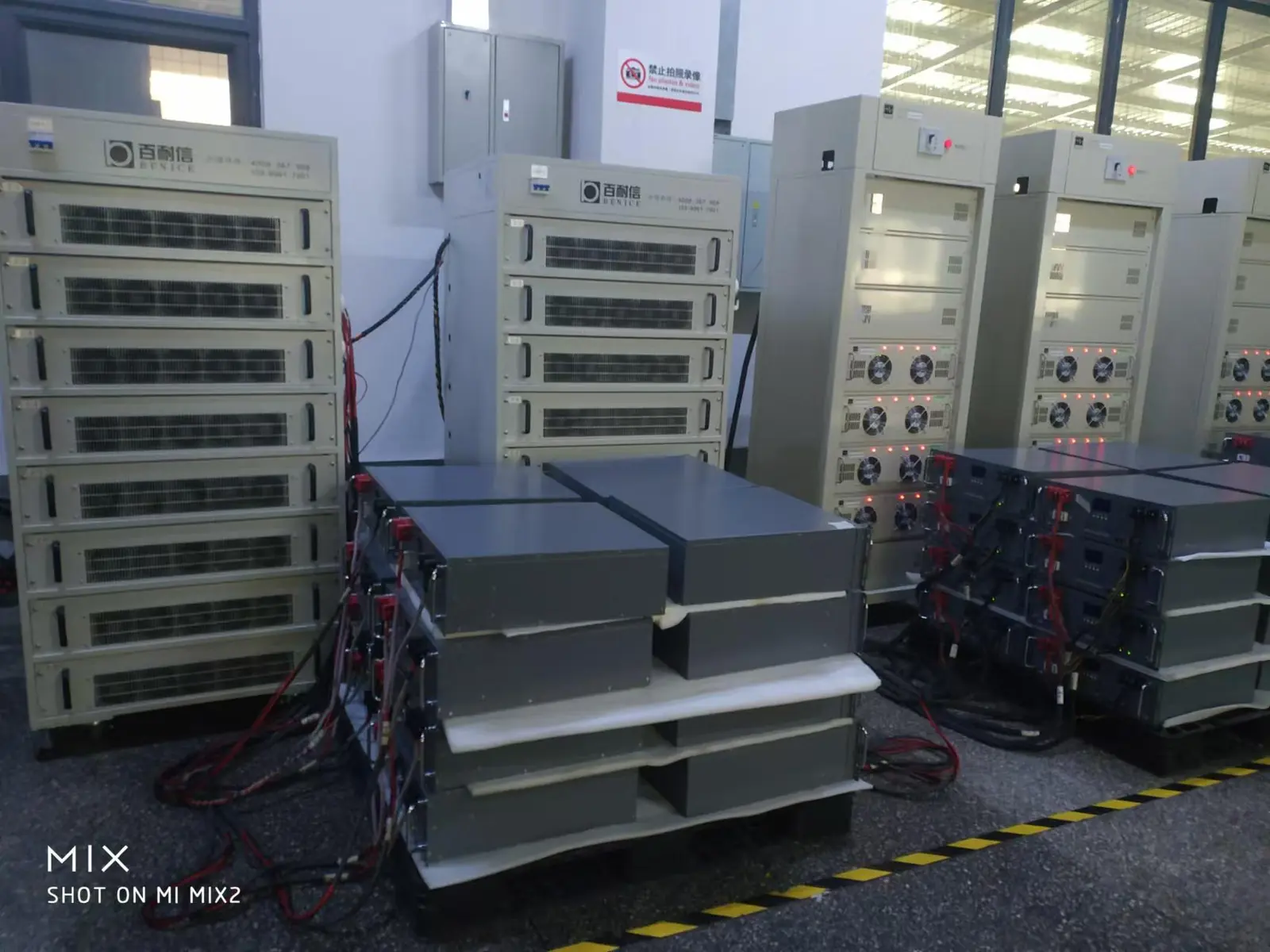
Cell And BMS Selection
Grade A cells and a top-brand smart BMS, chosen for the duty cycle rather than the price sheet.
Two components decide whether a battery pack is still worth owning in year five: the cells and the BMS. Sike Power uses only brand-new grade A LiFePO4 cells from top-brand manufacturers, paired with a top-brand smart BMS. This page explains what that choice actually protects you from, and what to ask any supplier before you compare prices.
Why Buyers Come To Us For This
Grade B cells are not a different chemistry, they are cells that failed a consistency test - capacity, internal resistance or self-discharge outside the band. A pack built from them looks identical on day one and drifts apart over the first hundred cycles, until the weakest cell limits the whole pack and the BMS spends its life balancing. The same logic applies to the BMS: an undersized or unbranded board is the part that fails first, and it takes the pack with it.
How It Works Step By Step
Define The Duty Cycle
Charge and discharge rate, depth of discharge, cycles per year and ambient temperature range.
Match The Cell
Grade A LiFePO4 with the capacity and rate capability that duty needs, from a top-brand cell maker.
Size The BMS
Continuous current rating with headroom over the real peak - 50A, 100A, 150A or 200A across our range - plus the protections the application needs.
Set The Protections
Over-charge, over-discharge, over-current, short circuit, temperature and cell balancing, configured for the pack rather than left at default.
Add Monitoring
Bluetooth or RS485, RS232 and CAN where the system has to report to an inverter or a network management system.
What This Looks Like On The Ground
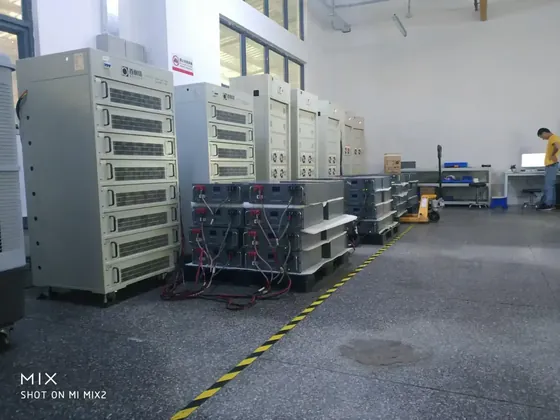
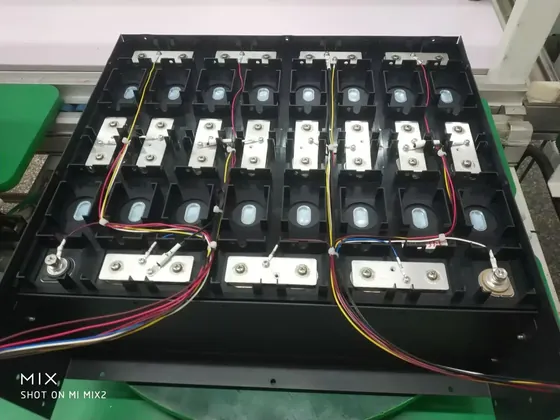
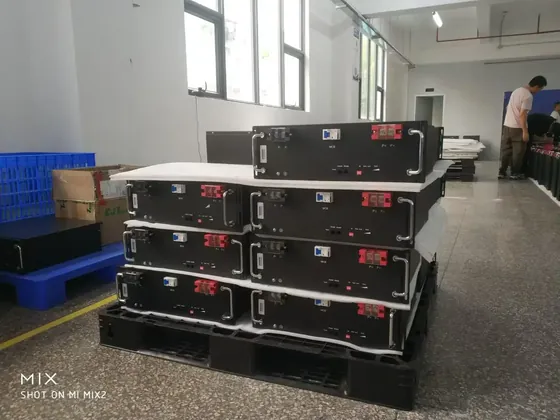
Send Us These And The Answer Comes Back Complete
- Peak and continuous current the pack will see
- Depth of discharge and the expected cycles per year
- Ambient temperature range, especially minimum charging temperature
- The device that will communicate with the BMS
- Whether heating is required for cold-climate charging
- Any certification the destination market imposes on the pack
Groups Most Often Involved
12V And 24V Lithium Batteries
Drop-in LiFePO4 replacements for lead-acid, from an 8Ah UPS block to a 400Ah house bank, with IP65 cases and Bluetooth monitoring.
Rack Mount Lithium Batteries
19-inch 51.2V modules at 5 kWh and 10 kWh, 6000+ cycles, IP54, for racks that have to stay serviceable.
48V Lithium Telecom Batteries
48V server rack packs at 50Ah, 100Ah and 200Ah for base stations, exchanges and data centres, 6000+ cycles, 19-inch format.
Cell And BMS Selection Questions
How do I tell grade A cells from grade B?
Not by looking at them. You ask for the cell brand and model, the capacity and internal resistance grading data for the batch, and you test a sample. A supplier who will not name the cell maker has answered the question.
What BMS current rating do I need?
Enough for the real peak with headroom, not the average. A 55 lb thrust trolling motor, an inverter surge or a motor start will all pull far more than the nameplate running current.
Does balancing really matter?
It is what keeps a six-thousand-cycle rating from becoming a two-thousand-cycle reality. Cells drift; a balancing BMS pulls them back together at the top of each charge.
Why does charging temperature keep coming up?
Because charging LiFePO4 below 0 degrees Celsius plates lithium on the anode and permanently loses capacity. Discharging cold is fine. If the pack will be charged in freezing conditions, it needs the heating option.
Can I specify a particular cell brand?
Tell us the brand and model you want and we will tell you whether we can source it and what it does to the price and lead time. That is a normal ODM conversation.
What communication protocols are supported?
RS232, RS485 and CAN are published on the stackable range, with Bluetooth available on much of the deep cycle and rack range. Send the device that has to talk to the pack and we will confirm.
Start With Cell And BMS Selection
Send the list above and we will come back with a complete answer rather than a request for more information.