
Technical Guide
Calculating Hold-Up Time For A 48V Telecom Site
Turning site load in kW into a module count, and the four things that make the real hold-up shorter than the arithmetic.
Backup sizing for a telecom site is simple arithmetic surrounded by four complications. Getting the arithmetic right takes a minute; the complications are what separate a site that rides through an outage from one that drops at hour three.
The Arithmetic
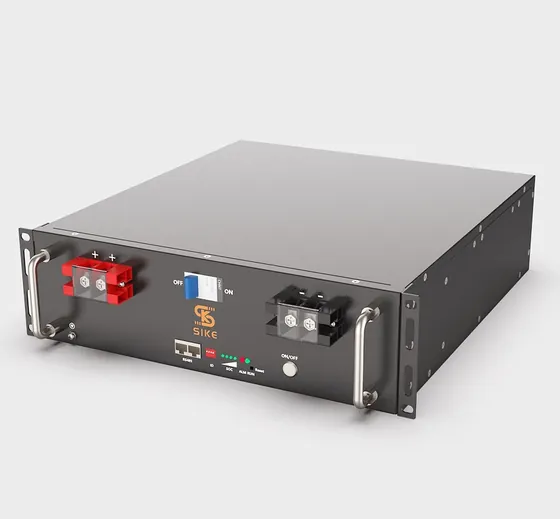
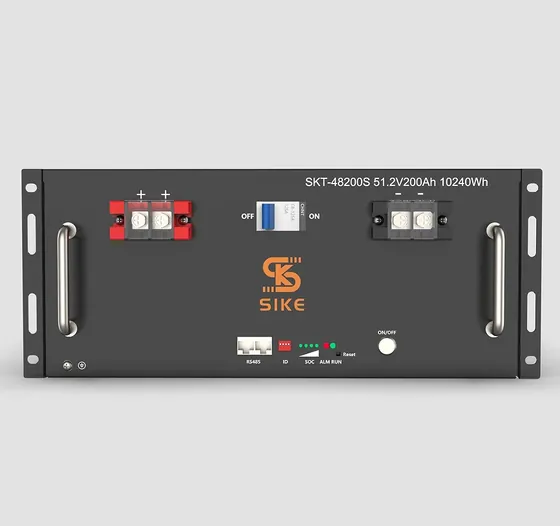
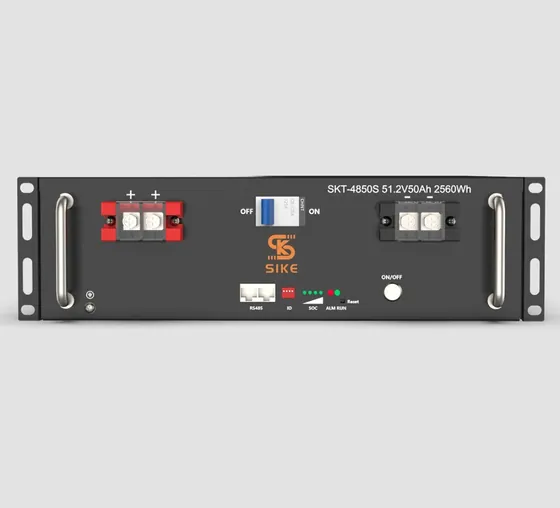
Energy required equals site load in kilowatts multiplied by the hold-up hours you need. Our 48V packs publish 2.4 kWh at 50Ah, 4.8 kWh at 100Ah and 10 kWh at 200Ah. A 1.2 kW site needing four hours needs 4.8 kWh of delivered energy, which is one 100Ah module before any allowance for losses.
Complication One: Conversion Losses
The battery stores DC energy, and everything between the pack and the load takes a cut. Allow for the rectifier and distribution efficiency rather than assuming the nameplate kWh arrives at the equipment.
Complication Two: Temperature
Capacity falls as the cabinet gets cold, and a cabinet that freezes during a charge cycle will lose capacity permanently unless the pack has the heating option. This is why the optional heating on the 48V 100Ah pack exists, and why it should be specified at enquiry rather than discovered in the second winter.
Complication Three: The Reserve You Never Use
Designing a bank to reach exactly zero at the end of the target hold-up leaves no margin for an ageing pack, a colder than expected night or a load that grew since commissioning. Size the module count with headroom.
Complication Four: Growth
Sites gain equipment. The published telecom range parallels up to fifteen units, so plan the rack space and the breaker capacity for more modules than the first phase needs.
| Model | Energy | Case | Typical use |
|---|---|---|---|
| 48V 50Ah | 2.4 kWh | 482x480x132 mm, 27 kg | Small access cabinets and short hold-up |
| 48V 100Ah | 4.8 kWh | 482x480x132 mm, 40 kg | Standard base station backup |
| 48V 200Ah | 10 kWh | Rack module | Longer hold-up or higher site load |
Send the site load in kW, the hold-up hours and a photo of the cabinet. You will get a module count and an arrangement rather than a product list.
FAQ
Questions On This Guide
Can I calculate hold-up from amp hours instead of kWh?
Yes, at 48V nominal, but kWh is less error-prone when the load is quoted in watts. Multiply amp hours by the nominal pack voltage to convert.
Do I need to allow for battery ageing?
Yes. Size with headroom so a pack at the end of its rated life still meets the hold-up target, rather than exactly meeting it on day one.
How many modules can be paralleled?
The published telecom range goes to fifteen units in parallel. Confirm the arrangement with us for your specific model and rectifier.
Will the rectifier need changing?
Usually only its settings - a LiFePO4 charge profile and the communication setup. Send the model and we will confirm.
Related products
Packs Referenced In This Guide
Product groups
Groups This Guide Covers
48V Lithium Telecom Batteries
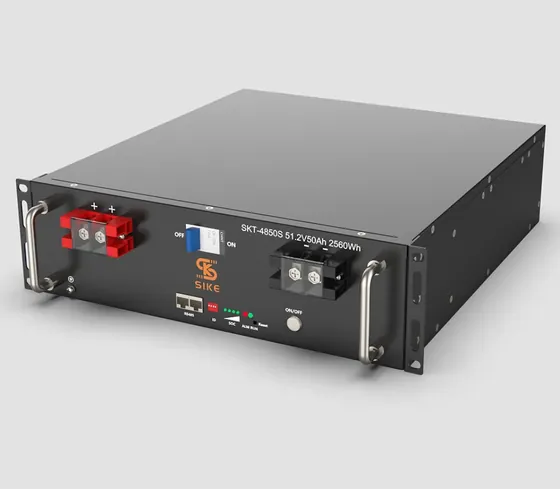
48V server rack packs at 50Ah, 100Ah and 200Ah for base stations, exchanges and data centres, 6000+ cycles, 19-inch format.
Turn This Into A Specification
Send us the application and we will translate it into a model, a capacity, a BMS rating and a delivery plan.