
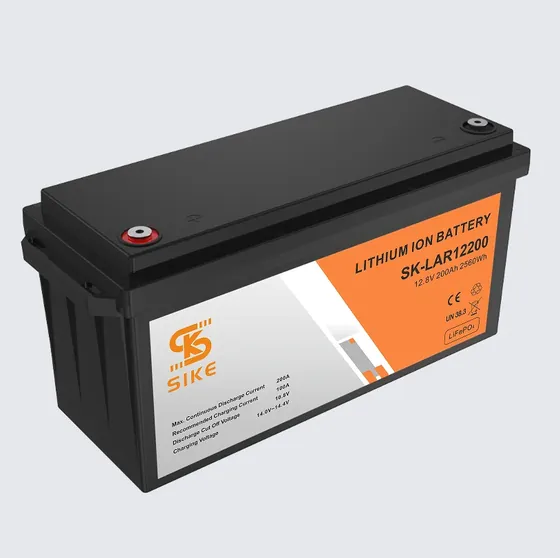
12V And 24V Lithium Batteries
Drop-in LiFePO4 replacements for lead-acid, from an 8Ah UPS block to a 400Ah house bank, with IP65 cases and Bluetooth monitoring.
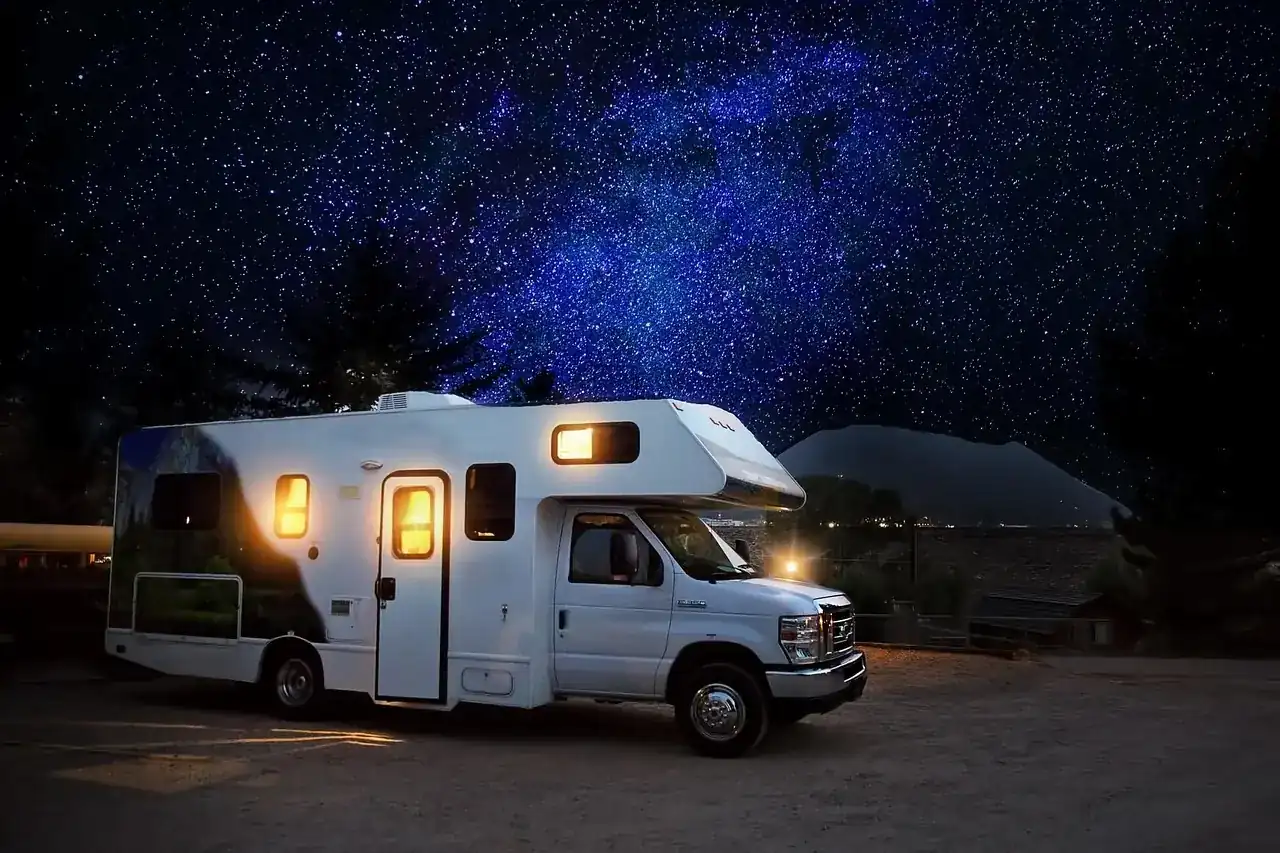
12V and 24V deep cycle packs for trolling motors, electronics and house loads, IP65, 3000+ cycles.
A trolling motor is a brutal test for a battery: hours of sustained high current, no chance to recharge until the boat is back on the trailer, and a working environment of spray and vibration. The 12V and 24V deep cycle range answers it with grade A LiFePO4 cells, a smart BMS rated to 100A, 150A or 200A depending on the pack, and an IP65 case. The 24V 200Ah pack is published as running a 55 lb thrust trolling motor for up to 48 hours.
Lead-acid drops hard under a trolling motor's current draw, so the motor slows as the day goes on. LiFePO4 holds voltage nearly flat to the end of the discharge.
A 24V 100Ah pack at 18.5 kg replaces two lead-acid batteries at roughly three times the weight, which changes how the hull sits.
0.5C to 1C charge acceptance means a pack is ready the next morning rather than two days later.
IP65 ABS cases are specified for exactly this, instead of open lead-acid terminals in a damp bilge.
Drop-in LiFePO4 replacements for lead-acid, from an 8Ah UPS block to a 400Ah house bank, with IP65 cases and Bluetooth monitoring.
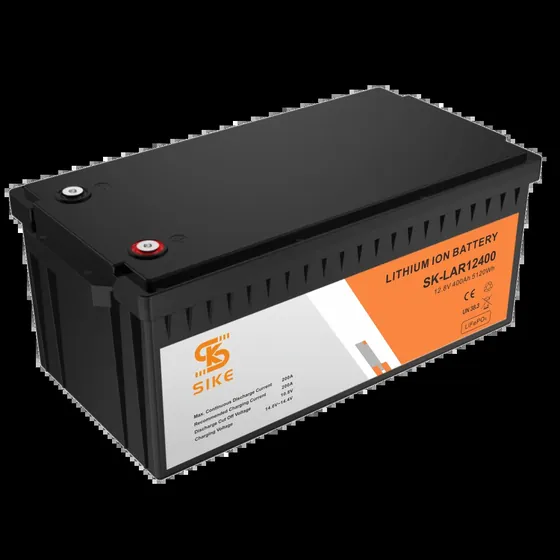
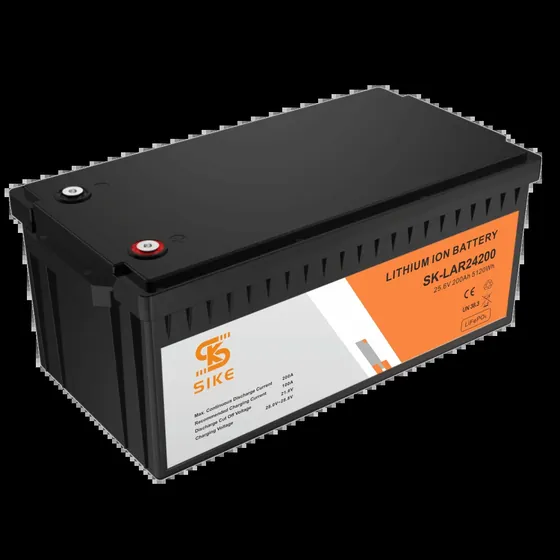
Thrust rating and voltage determine the current draw the BMS has to carry continuously.
Hours on the water at typical throttle, plus electronics and any house loads.
24V halves the current for the same power, which is why bigger trolling motors are built that way.
Locker dimensions, strap points and an onboard charger with a LiFePO4 profile.
UN38.3 and MSDS for freight, plus the specification sheet you approved.
Why a 100Ah lithium pack replaces a 200Ah lead-acid bank, what changes about charging, and where lead-acid still makes sense.
The five protections, why balancing decides whether a 6000-cycle rating is real, and what current rating to specify.
Charge voltages, the 0 degrees rule, why an equalisation stage trips the BMS, and how to store a pack that will sit idle.
The published example is a 24V 200Ah pack running a 55 lb thrust motor for up to 48 hours, and the 24V 100Ah pack for up to 24 hours. Tell us your motor, throttle habit and hours and we will confirm the size.
No, and it works the other way too - our automotive-case packs are explicitly not for engine cranking. Deep cycle duty and cranking duty are different designs; use the deep cycle range for the motor and keep the cranking battery separate.
It varies by pack: 100A, 150A and 200A BMS ratings are published across the range. Match the rating to the motor's maximum draw with headroom, not to its average.
For a locker or a covered compartment, yes - it is dust tight and protected against water jets. It is not a submersion rating, so mount it where it will not sit in bilge water.
Only with a LiFePO4 profile. Many marine chargers have a lithium setting; send us the model and we will confirm before you order.
Yes, with packs of the same model and similar state of charge at the time of connection. Send the bank size you want and we will confirm the arrangement.
Tell us the load, the space and the equipment it has to work with, and the answer names a pack and a capacity.