
Sizing Guide
How To Size A Home Battery Without Guessing
Working from evening load rather than array size, choosing between 5, 10, 15 and 30 kWh, and leaving an expansion path.
Battery sizing goes wrong when it starts from the wrong number. The array size tells you how much energy arrives; the inverter rating tells you how fast it can move. Neither tells you how much energy the household needs after dark, which is the only number the battery actually serves.
Start With Evening Consumption
Take a day of interval data and add up everything consumed between sunset and sunrise. That figure, not the daily total, is the minimum useful battery size. A household using 18 kWh a day might only need 8 of them after dark, in which case a 10 kWh pack covers the evening with margin.
Then Decide What The Battery Is For
- Self-consumption: store the afternoon surplus and use it in the evening. Size to the evening load.
- Tariff arbitrage: charge in the cheap window, discharge in the expensive one. Size to the expensive window's consumption.
- Backup: carry critical loads through an outage. Size to critical load times the hours you want to survive.
- Off-grid: carry the whole house overnight with a margin for bad weather. Size to daily consumption times the autonomy in days.
Match That To A Product
| Capacity | Format | Typical fit |
|---|---|---|
| 5 kWh | Wall mount or one stackable module | Apartment or small home evening load |
| 10 kWh | Wall mount or two stackable modules | Typical family home self-consumption |
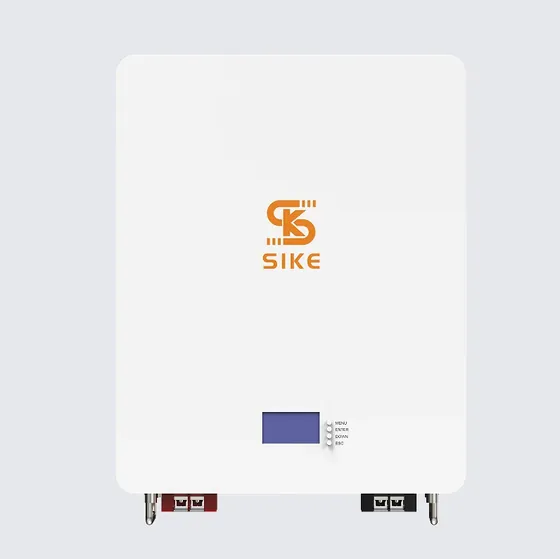
| 15 kWh | Wall mount 300Ah | Home with air conditioning or a heat pump |
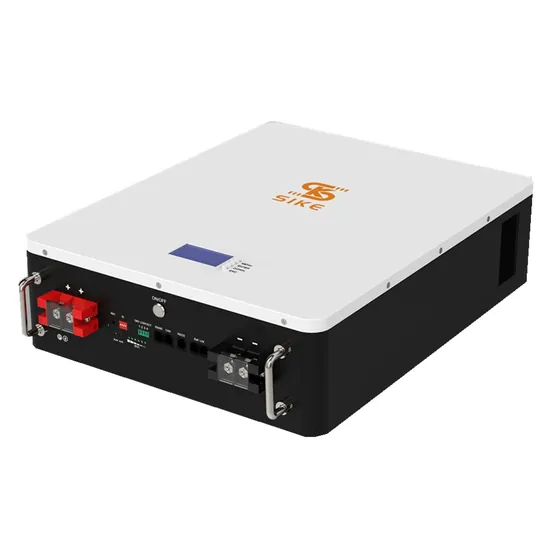
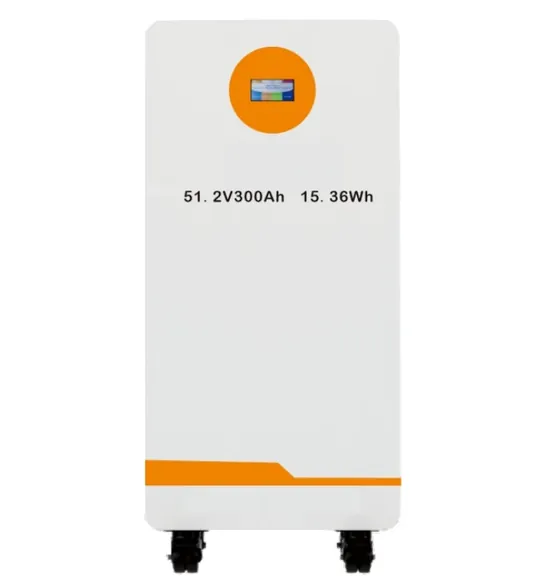
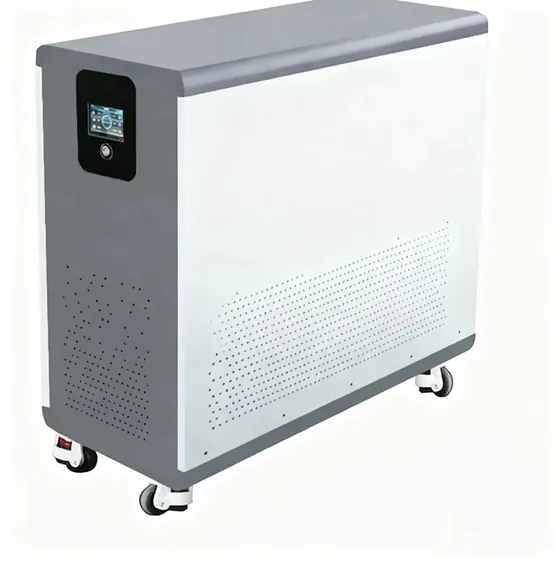
| 20-30 kWh | Stack of four to six modules, or the 30 kWh floor unit | Large home, off-grid property or small commercial |
Leave The Expansion Path
Every one of these is 51.2V, so a bank grows by paralleling modules rather than replacing the system. The work to do at the first install is unglamorous: cable and breaker capacity sized for the final bank, and physical space left next to the first unit. Do that and phase two is an afternoon.
If interval data is not available, we will size from appliance ratings and run hours and tell you plainly that it is an estimate. An estimate with its assumptions written down is auditable; a confident number is not.
Do Not Forget The Inverter
The battery stores energy; the inverter decides how fast it can be delivered and whether it works during an outage. Send us the inverter brand and model with your enquiry so protocol compatibility is confirmed before the order rather than at commissioning.
FAQ
Questions On This Guide
Should I size for the array or the load?
The load, specifically the part of it that happens when the sun is not shining. The array determines whether the battery gets filled, not how big it needs to be.
Is it better to buy bigger up front?
Slightly cheaper per kWh, yes, but a phased bank that gets approved beats an oversized one that does not. We will quote both.
How much reserve should I leave?
Enough that the pack is not taken to the floor every single day. The range publishes 95-100% DOD, but a small daily reserve is what keeps the cycle count honest.
Can I mix a wall-mount pack and a stack?
They are the same voltage, but keep a bank uniform. If the requirement changes shape, a second bank is cleaner than a mixed one.
Related products
Packs Referenced In This Guide
Product groups
Groups This Guide Covers
Powerwall Lithium Batteries
Wall-mounted 51.2V home storage from 5 kWh to 30 kWh, 6000+ cycles, five-year warranty, IP54 on the wall-hung models.
Stackable Lithium Batteries
51.2V modules that stack from 5 kWh to 30 kWh, 6000+ cycles, RS232, RS485 and CAN communication.
Turn This Into A Specification
Send us the application and we will translate it into a model, a capacity, a BMS rating and a delivery plan.