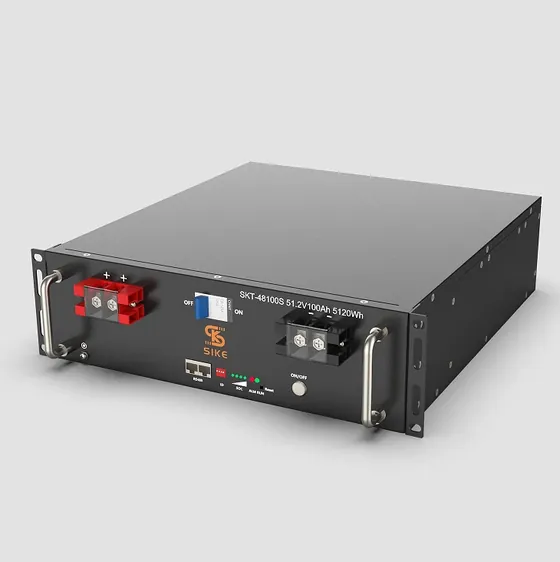
48V Lithium Telecom Batteries
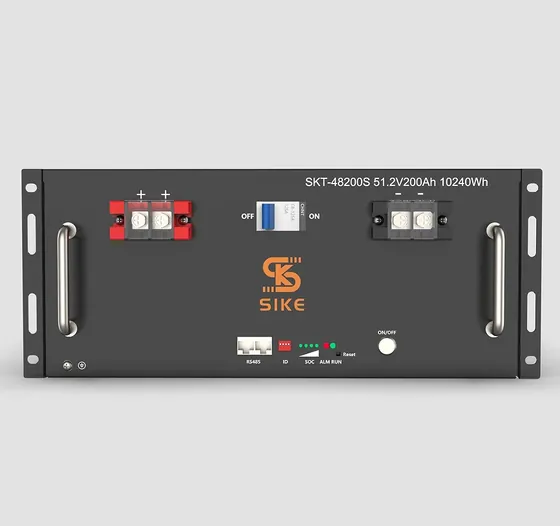
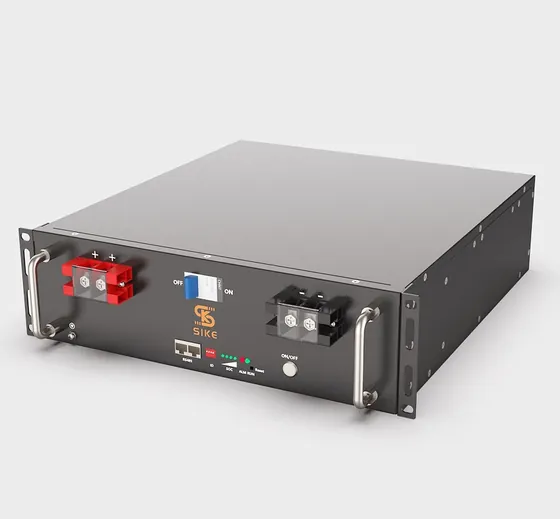
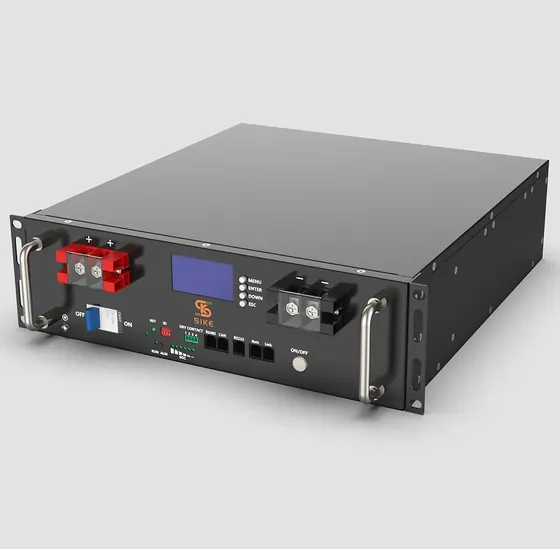
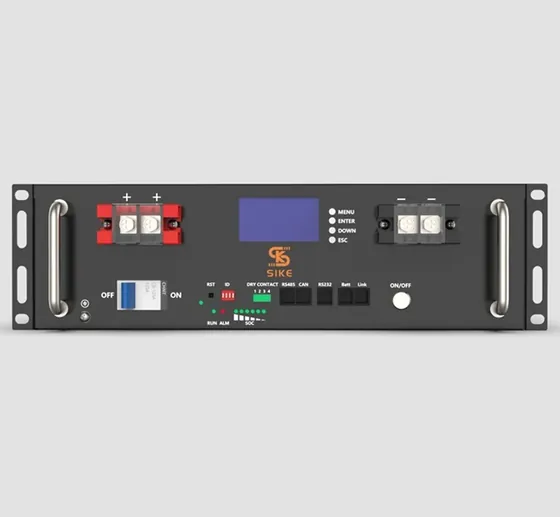
48V server rack packs at 50Ah, 100Ah and 200Ah for base stations, exchanges and data centres, 6000+ cycles, 19-inch format.
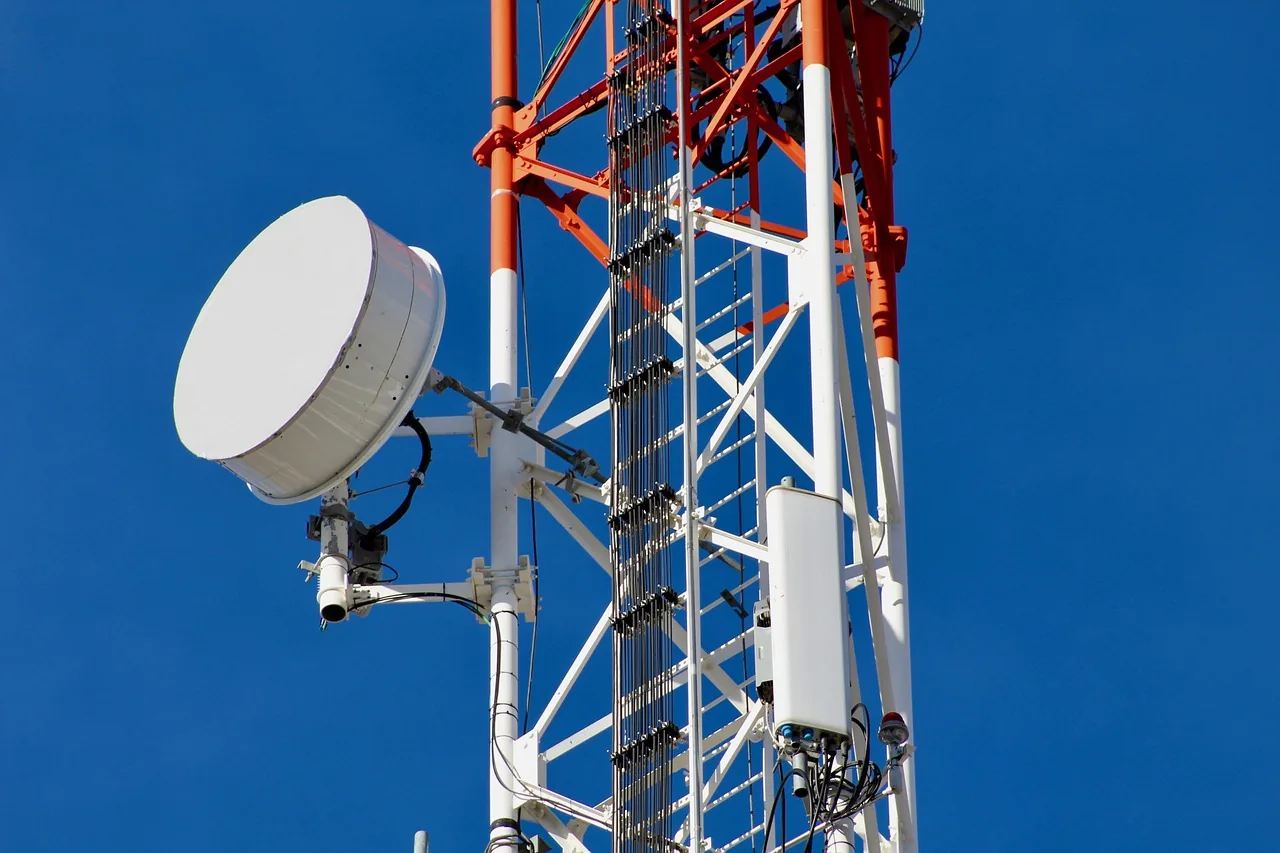
48V rack packs at 50Ah, 100Ah and 200Ah for base stations, exchanges and DC plant, 6000+ cycles, parallel to fifteen units.
Telecom backup is judged on two things: whether the site stays up, and how often somebody has to drive to it. The 48V range is built around both - 19-inch modules that fit the cabinets already in the network, a smart BMS that reports cell state continuously, and a 6000+ cycle rating so the replacement interval is measured in a decade rather than in seasons.
A lead-acid string loses capacity without warning and is discovered at the moment the grid drops. A lithium BMS reports state of charge and balance continuously.
For a remote tower or a rural exchange, the drive is the expensive part. Cycle life and monitoring are what cut the visit count.
482x480x132 mm modules at 27 kg for 2.4 kWh and 40 kg for 4.8 kWh, against a VRLA string that needs two people and a trolley.
A rectifier set for lead-acid will not charge a lithium pack correctly. It is a settings change, but it has to be planned rather than discovered.
48V server rack packs at 50Ah, 100Ah and 200Ah for base stations, exchanges and data centres, 6000+ cycles, 19-inch format.
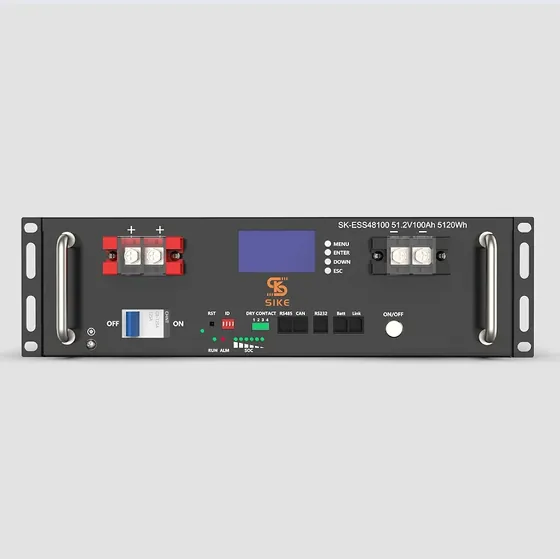
19-inch 51.2V modules at 5 kWh and 10 kWh, 6000+ cycles, IP54, for racks that have to stay serviceable.
Load in kW and the hours you need. That gives the kWh and therefore the module count.
Rack depth, available U height and whether the enclosure is indoor or outdoor.
Charge profile and communication - RS485 or CAN - so commissioning is a settings task rather than a surprise.
Most operators run one site before a rollout. Sample units are available for that.
Each shipment travels with UN38.3, MSDS and the certificate set for the model.
Turning site load in kW into a module count, and the four things that make the real hold-up shorter than the arithmetic.
Which figures on a battery datasheet are meaningful, which are marketing, and the six questions that expose a thin specification.
The published telecom range parallels up to fifteen units. Send the hold-up requirement and we will confirm the count and the arrangement for your model.
Usually, after a charge profile change to LiFePO4 and a communication setup over RS485 or CAN. Send the rectifier brand and model and we will confirm before you order.
No. Mixing chemistries on one bus means the lithium pack carries the load while the lead-acid string sits on float and ages out. Replace the string.
IP20 on the 50Ah and 100Ah rack modules - an indoor cabinet rating. For outdoor sites the enclosure provides the protection; tell us what the cabinet is and we will confirm.
Specify the optional heating on the 48V 100Ah pack. Charging LiFePO4 below 0 degrees Celsius without heating permanently loses capacity, and an unheated cabinet in a cold climate will do exactly that.
Yes. OEM and ODM are standard here: case, label, protocol list and packaging to your specification, with a sample for approval before the bulk order.
Tell us the load, the space and the equipment it has to work with, and the answer names a pack and a capacity.