
Lithium Golf Cart Batteries
48V and 72V packs at 100Ah, IP67, 3500+ cycles, 65-85 km on a full charge, drop-in for lead-acid and AGM.
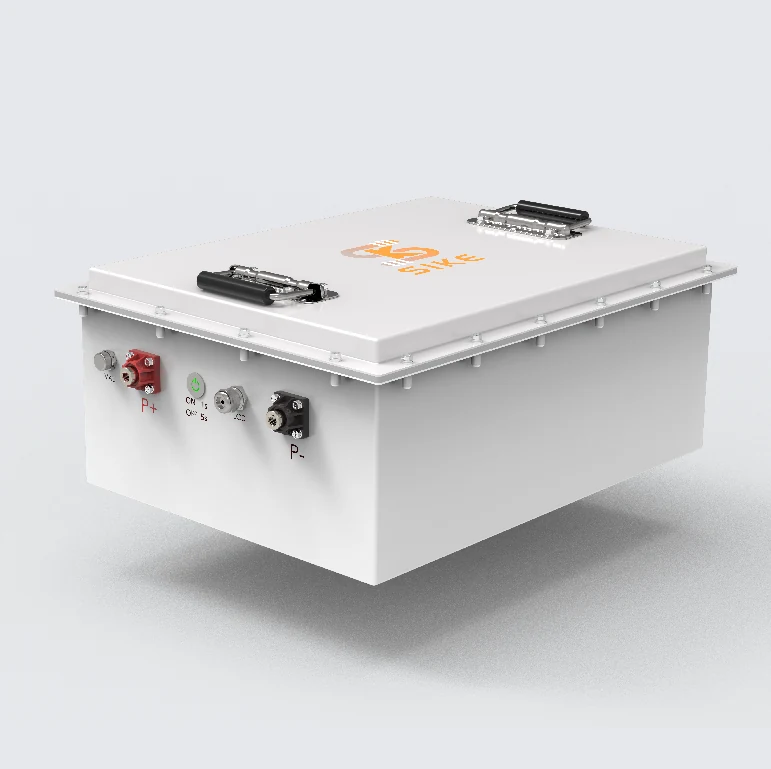
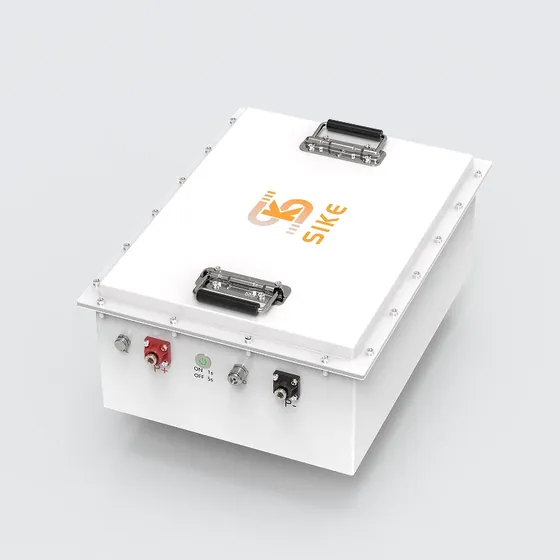
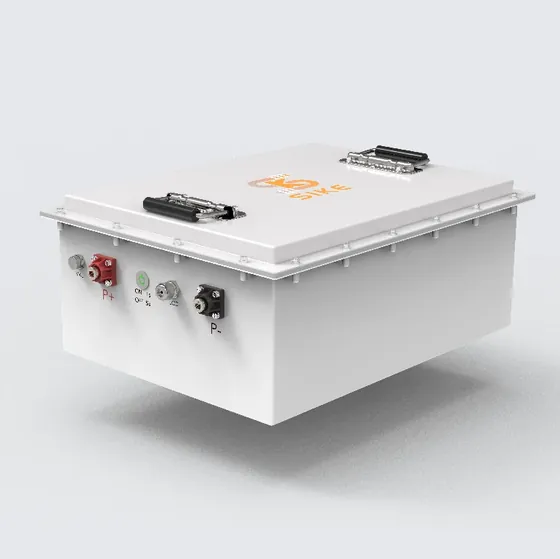
Two packs that replace a bank of six or twelve lead-acid golf cart batteries with a single unit: 48V (51.2V) 100Ah at 45 kg, and 72V (76.8V) 100Ah at 74 kg. Both are IP67, both use grade A LiFePO4 cells with a smart BMS, and both are rated at 3500+ cycles. The published range on a full charge is 65-85 km for the 48V pack and 65-75 km for the 72V pack.
The range
All 2 Products In This Group
The problem
What This Group Is Built To Solve
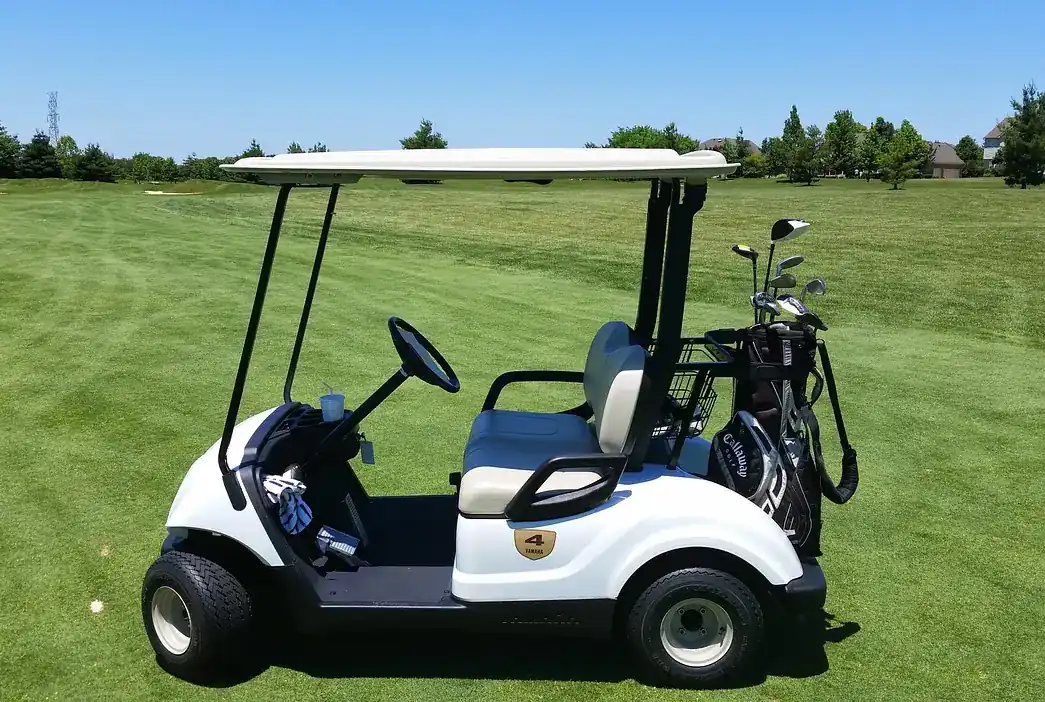
A lead-acid golf cart bank is a weekly chore - watering, terminal corrosion, and a range that falls off a cliff in the second half of the discharge. Worse, the cart gets slower as the pack sags under load. A LiFePO4 pack holds its voltage almost flat to the end of the discharge, so the last hole feels like the first, and there is nothing to water.
Who buys these
Who This Range Is For
Golf Courses And Resorts
Running fleets where downtime and maintenance labour cost more than the batteries.
LSV And Utility Vehicle Builders
Fitting a single pack instead of a bank, and gaining payload from the weight saved.
Distributors And Cart Dealers
Offering a drop-in upgrade that ends the watering and corrosion conversation.
Why these
What Makes This Range Different
One Pack Instead Of A Bank
48V or 72V in a single case, with the interconnect losses and the corroded links designed out.
IP67 For Outdoor Duty
Washdown, rain and dust are the working environment for a cart, and the case is rated for it.
3500+ Cycles With No Maintenance
No watering, no equalisation, no terminal cleaning routine.
Range You Can Quote
65-85 km on the 48V pack and 65-75 km on the 72V pack, per the published product data.
Application
Where These Packs Are Used
- Golf course fleets and rental carts
- Low-speed vehicles and resort shuttles
- Utility and maintenance carts on campuses
- Light electric vehicles and industrial tugs
- Hospitality and airport ground transport
- Fleet upgrades from lead-acid and AGM banks
Applications
Sectors That Specify This Group
Golf Carts And Low-Speed Vehicles
48V and 72V 100Ah packs plus automotive-case 12V batteries for carts, LSVs and light EVs, IP67, 3500+ cycles.
Further reading
Guides Related To This Group
Charging LiFePO4 Correctly And What Ruins A Pack
Charge voltages, the 0 degrees rule, why an equalisation stage trips the BMS, and how to store a pack that will sit idle.
FAQ
Lithium Golf Cart Batteries Questions
Is this a direct replacement for my lead-acid bank?
It is a drop-in replacement and upgrade for lead-acid or AGM golf cart batteries, with published case dimensions of 470x345x252 mm for the 48V pack and 750x335x255 mm for the 72V pack. Check those against your battery compartment and send us a photo if you are not sure.
Do I need a new charger?
You need a charger with a LiFePO4 profile at the matching voltage. A lead-acid golf cart charger with a fixed equalisation stage will trip the BMS. Tell us your charger model with the enquiry.
How far will the cart go on a charge?
The published figures are 65-85 km for the 48V 100Ah pack and 65-75 km for the 72V 100Ah pack. Real range depends on terrain, load and how hard the cart is driven.
How much weight does the cart lose?
The 48V pack is 45 kg and the 72V pack is 74 kg, replacing banks of six or twelve lead-acid batteries. Most fleets gain both payload and range from the change.
What happens if the cart sits over winter?
LiFePO4 self-discharges slowly, so a pack left at partial charge will still start the cart in spring. Store it around half charge rather than full or empty, and keep it out of freezing conditions if it will be charged where it stands.
What certificates come with them?
MSDS, UN38.3, CE, ROHS and UL are listed on both golf cart products.
Get A Quotation On Lithium Golf Cart Batteries
Send the models, the quantities and the destination and we will confirm specification, packing and lead time.