
What We Can Evidence, And What We Cannot
Grade A cells, a top-brand smart BMS, in-house grading, aging and inspection, and a complaint rate below 0.05% over five years. Here is what that means in practice, and an honest list of the figures we do not publish.
Where Quality Is Actually Decided
Four points in the process account for almost every battery failure we have seen in the field.
Cell Grade
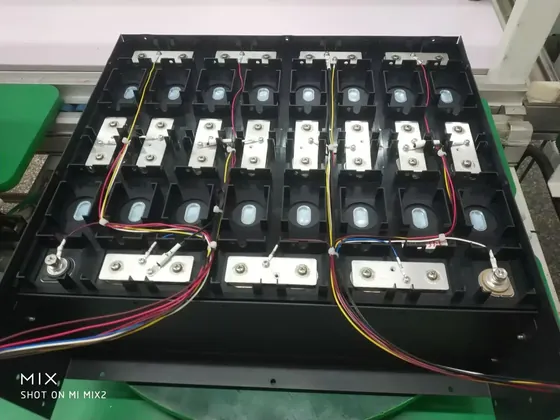
Only brand-new grade A LiFePO4 cells from top-brand manufacturers. Grade B cells failed a consistency test on capacity, internal resistance or self-discharge, and a pack built from them drifts apart over its first hundred cycles.
BMS Selection And Configuration
A top-brand smart BMS, with over-charge, over-discharge, over-current, short-circuit and temperature protection plus cell balancing, configured for the pack rather than left at a default.
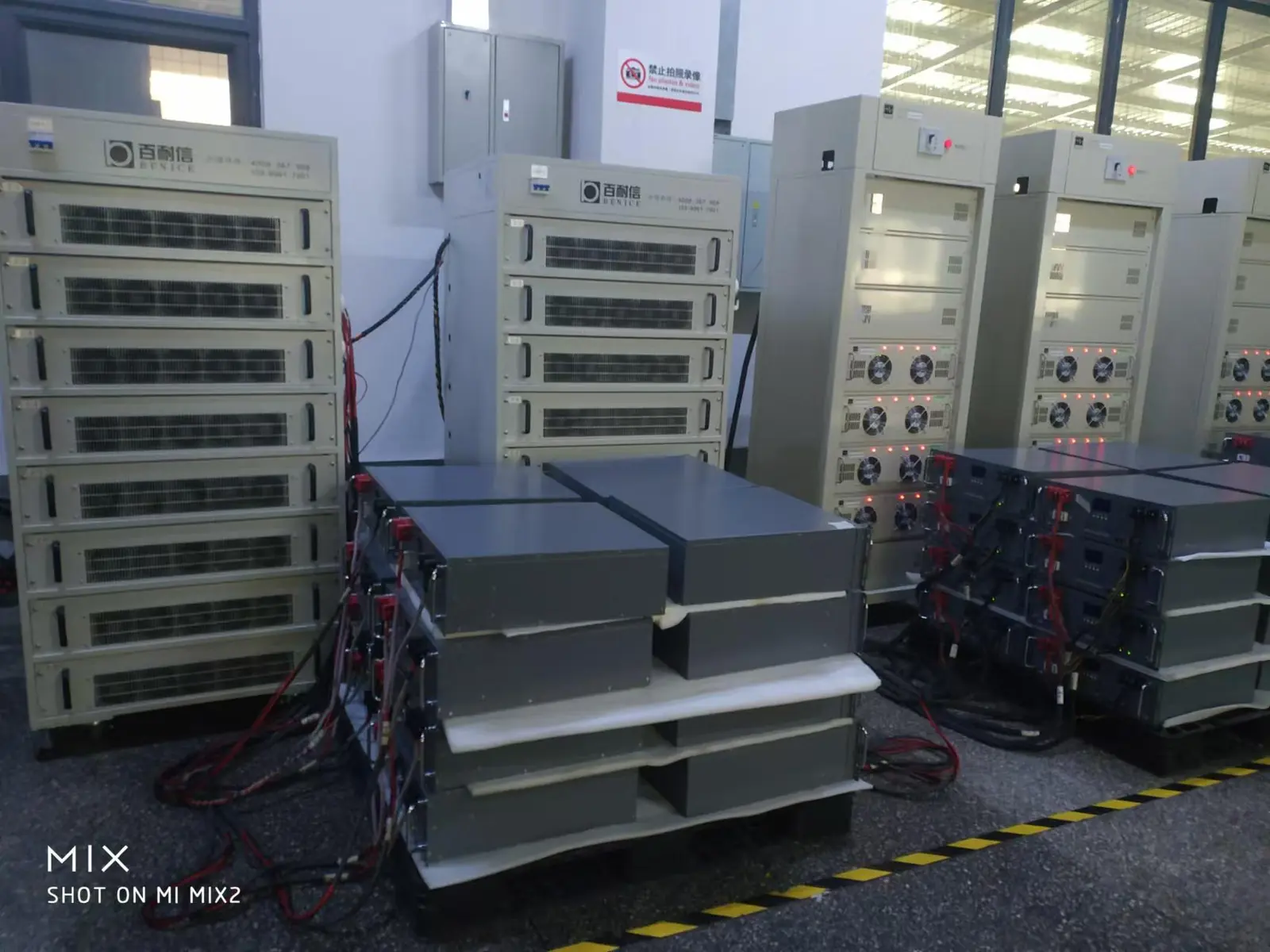
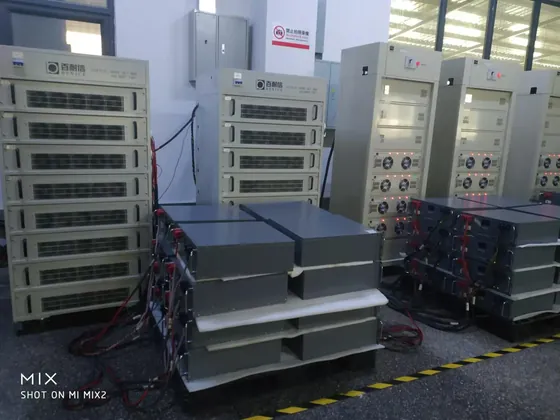
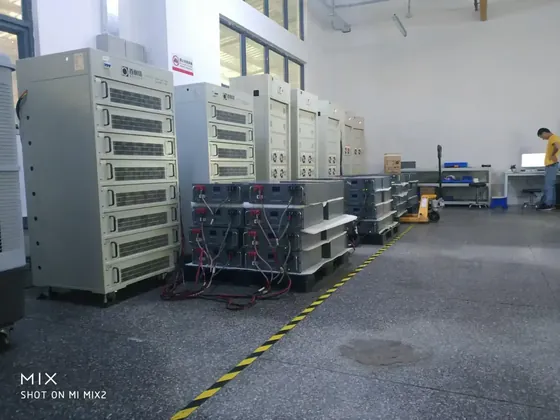
Aging And Charge-Discharge Testing
Packs are cycled and monitored before release, which is where an inconsistent cell shows itself - in the factory rather than on a customer's wall.
Final Inspection And Packing
Inspection before packing, and packing that satisfies UN38.3 requirements for lithium battery transport by the mode you are shipping.
Inspection Configuration And Test
Certification
The factory is stated as certified to ISO9001 for quality management, ISO14001 for environmental management and ISO45001 for occupational health and safety. Product certificates across the range include CE, UN38.3, MSDS, UL, IEC and ROHS; the specification table on each product page lists the ones published for that model.
For an audit or a tender, ask for the certificate covering your exact model and its expiry date. We would rather send you the document than let you assume a scope that turns out to be wrong at the worst moment.
Warranty
The published warranty on the energy storage range is five years, against a 6000+ cycle rating and a 10+ year service life expectation. The usual exclusions are installations outside the datasheet: charging below 0 degrees Celsius without the heating option, exceeding the BMS current rating, or using a charger without a LiFePO4 profile.
What We Do Not Publish
- Annual production capacity, factory floor area and headcount are not published by the source site, so no figure appears here.
- The ISO9001, ISO14001 and ISO45001 certificates are stated on the company About page; ask for the certificate copies and expiry dates before an audit.
- Product certificates are listed per product as CE, UN38.3, MSDS, UL, IEC and ROHS. Which certificate covers which exact model should be confirmed in writing for your market.
- Cycle life figures (2500+, 3000+, 3500+ and 6000+ depending on the range) come from the source product pages; the test conditions and DOD behind them are not published.
- Export country count and customer names are not published anywhere on the source site, so this rebuild names none.
- The three customer testimonials on the source home page are unattributed to a company, so they are not repeated here.
If any of these matter for your market or your audit, raise it before you order and we will tell you what can be provided and how long it takes.
Questions About Evidence
Which certificates cover the factory itself?
ISO9001, ISO14001 and ISO45001 are stated for the factory on our own company material. Ask us for copies and expiry dates if you need them for an audit, and we will send what we hold.
Which certificates cover the products?
CE, UN38.3, MSDS, UL, IEC and ROHS appear across the range, and the specification table on each product page lists the ones published for that model. Confirm the exact model and destination market in writing before ordering.
What does grade A actually mean?
Cells that passed consistency testing on capacity, internal resistance and self-discharge. We use brand-new grade A LiFePO4 cells from top-brand manufacturers, never grade B or reclaimed cells.
How is a pack tested before it ships?
Cells are graded on arrival, modules are built with the BMS integrated and configured, packs go through aging and charge-discharge testing, and a final inspection is carried out before packing.
What if a pack fails in the field?
Send the model, the install date and the BMS data - pack voltage, cell voltages, current, temperature and any fault code. Our engineers triage it and tell you whether it is a settings issue, an installation issue or a pack fault.
Do you publish cycle test conditions?
The cycle figures on the product pages - 2500+, 3000+, 3500+ and 6000+ depending on the range - come from our product data, and the test conditions behind them are not published there. Ask us for the conditions before comparing them with another supplier's number.
Ask Us For The Document You Need
Name the certificate and the authority asking for it. You will get the document or a straight answer that it does not exist.