
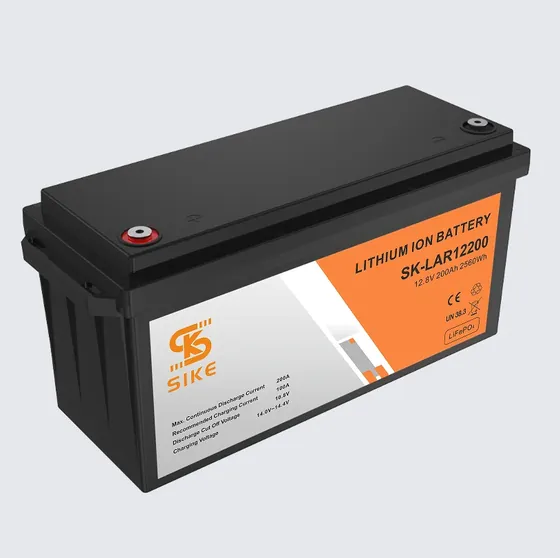
12V And 24V Lithium Batteries
Drop-in LiFePO4 replacements for lead-acid, from an 8Ah UPS block to a 400Ah house bank, with IP65 cases and Bluetooth monitoring.

12V and 24V LiFePO4 house banks from 100Ah to 400Ah, IP65, Bluetooth monitored, at about a third of the weight of lead-acid.
An RV house bank has two hard limits: what the locker will hold and what the axle will carry. Lead-acid loses on both, because half its rated capacity is unusable and all of its weight is real. The Sike 12V and 24V deep cycle range publishes case dimensions and weights on every product - 9.7 kg for a group 24 100Ah pack, 38 kg for a 400Ah - so the swap can be planned before anything is ordered.
Discharging lead-acid below 50% destroys it. A 200Ah lead-acid bank is really 100Ah, which is why the fridge stops overnight.
Group 24 at 260x170x210 mm and group 31 at 330x172x240 mm exist for a reason. A pack that does not fit turns an upgrade into a fabrication job.
Lead-acid takes a trickle at the top of the charge. LiFePO4 accepts 0.5C to 1C, so a driving day actually refills the bank.
Bluetooth monitoring on the deep cycle range gives state of charge, voltage and current in real time instead of a guess and a voltmeter.
Drop-in LiFePO4 replacements for lead-acid, from an 8Ah UPS block to a 400Ah house bank, with IP65 cases and Bluetooth monitoring.
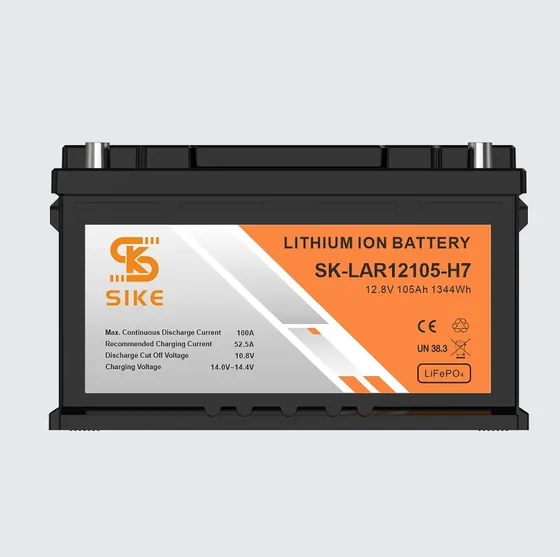
H7, H8 and group 24 cases with automotive terminals for low-speed vehicles, light EV and solar - energy storage, not cranking.
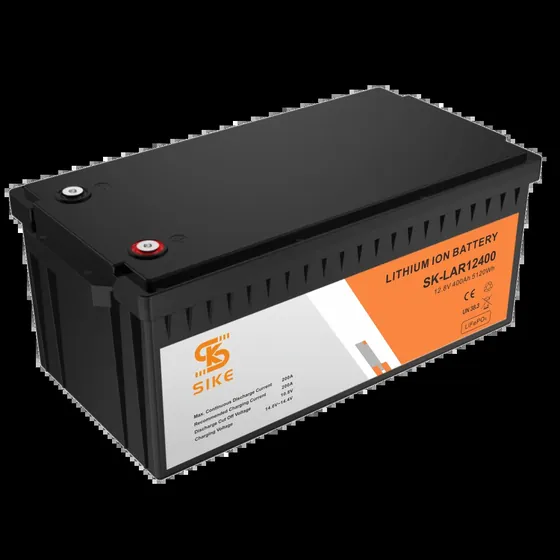
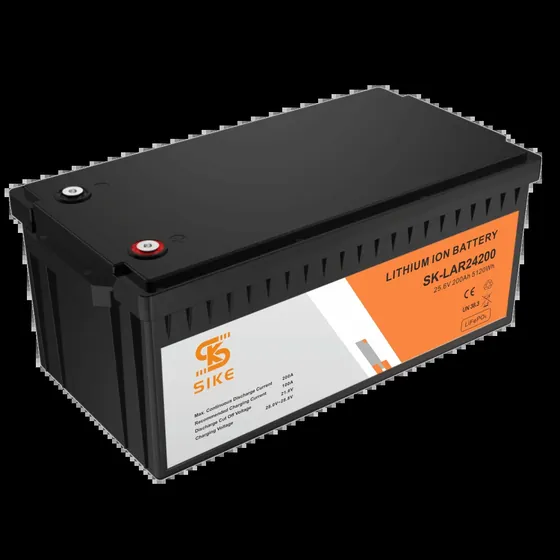
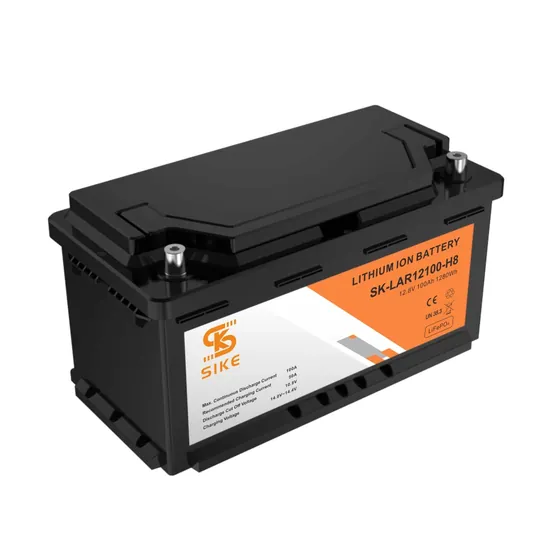
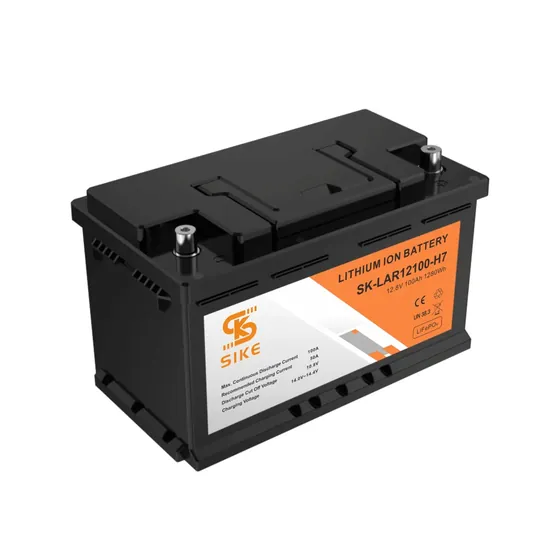
Internal dimensions and the existing battery group size decide the shortlist before anything else.
Fridge, lights, water pump, inverter loads and how many nights between charges.
Stay 12V if the appliances and charger are 12V; go 24V if you are specifying the whole system and want smaller cable.
Solar controller, DC-DC charger and shore charger all need a LiFePO4 profile. We check the models you name.
UN38.3 and MSDS documentation travels with the shipment for road, sea or air freight.
Why a 100Ah lithium pack replaces a 200Ah lead-acid bank, what changes about charging, and where lead-acid still makes sense.
The five protections, why balancing decides whether a 6000-cycle rating is real, and what current rating to specify.
Charge voltages, the 0 degrees rule, why an equalisation stage trips the BMS, and how to store a pack that will sit idle.
Measure the tray. We publish group 24 at 260x170x210 mm and group 31 at 330x172x240 mm, plus larger 200Ah, 300Ah and 400Ah formats that have no lead-acid equivalent. Send the measurements and we will tell you what fits.
Take the fridge's daily watt-hours and divide into roughly 1280 Wh for a 12V 100Ah LiFePO4 pack, then allow for lights, pump and inverter losses. We will do that arithmetic with you if you send the appliance list.
Through a DC-DC charger with a LiFePO4 profile, yes, and that is the right way to do it. Connecting a lithium bank directly to an alternator can overload the alternator, because the pack will take every amp it is offered.
The deep cycle range publishes IP65 - dust tight and protected against water jets - in an ABS case built for shock and vibration. It suits a vented locker or an underslung mount, not permanent submersion.
Discharging is fine well below freezing. Charging below 0 degrees Celsius is what damages cells, so specify the heating option if the van will be charged in freezing conditions.
Our business is wholesale and OEM, so single-unit orders are handled case by case. Ask on WhatsApp with your destination and we will tell you honestly whether it is worth the freight.
Tell us the load, the space and the equipment it has to work with, and the answer names a pack and a capacity.