

Project Guide
An OEM Lithium Battery Project From Enquiry To Container
The specification items that decide a private-label project, why the sample stage is not optional, and the documents to plan early.
A private-label battery programme is mostly a documentation exercise. The manufacturing is the straightforward part; the failures happen where an assumption was never written down.
What Goes In The Specification
- Capacity, nominal voltage and the application the pack serves
- Case: dimensions, material, mounting points, IP rating and terminal type
- BMS: continuous current rating, protection thresholds, balancing behaviour
- Communication: Bluetooth, RS232, RS485 or CAN, and the devices it must work with
- Options: heating for cold climates, monitoring, display
- Label artwork, brand marks, serial number scheme and language
- Carton, pallet pattern, and whether the packing must satisfy air freight
Why The Sample Stage Is Not Optional
A sample is prepared for your test before the bulk order, and that sequence exists because a specification is a description while a sample is the thing itself. Test it on your own load, with your own inverter or charger, in the enclosure it will live in. Changes found at this stage cost a revision; changes found on arrival of a container cost the container.
Plan The Documents Early
UN38.3 and the MSDS decide whether the goods can be shipped at all, and CE, IEC, UL and ROHS may be required by your market. Name the destination country at the specification stage so the document set is planned rather than chased after the goods are built.
A Realistic Sequence
- Enquiry with application, target capacity and volume expectation
- Specification drafted and agreed in writing, including options and label
- Sample built and shipped for your testing
- Your approval, or a revision round if the test finds something
- Bulk production against the approved sample as the build standard
- Documentation, packing and shipping to your port
- After-sales support against the same specification everyone signed
The most useful thing a buyer can send at the start is not a product code. It is the application, the constraints and the volume, because those three decide everything else.
FAQ
Questions On This Guide
How long does an OEM project take?
It depends on how much is custom. A branded label on a standard pack is quick; a bespoke case with new tooling is not. Send the project and you will get a schedule rather than a range.
Can I own the design?
That is the ODM route, where the pack is developed around your requirement. Agree the position on the design and the tooling in writing at the start rather than after the first production run.
What volume makes this worthwhile?
It varies by how custom the product is. Ask with your real annual expectation and you will get a straight answer about whether the project makes sense.
Do you sell the same pack to my competitor?
For a standard product with your label, the base product is a catalogue item. For an ODM design developed for you, the exclusivity position is part of the agreement - raise it early.
Related products
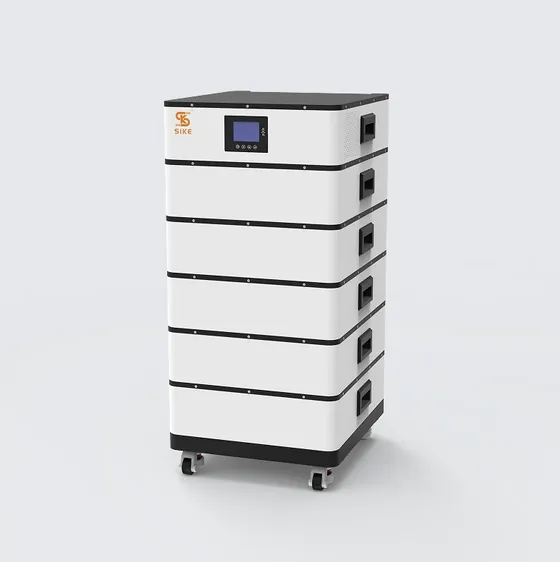
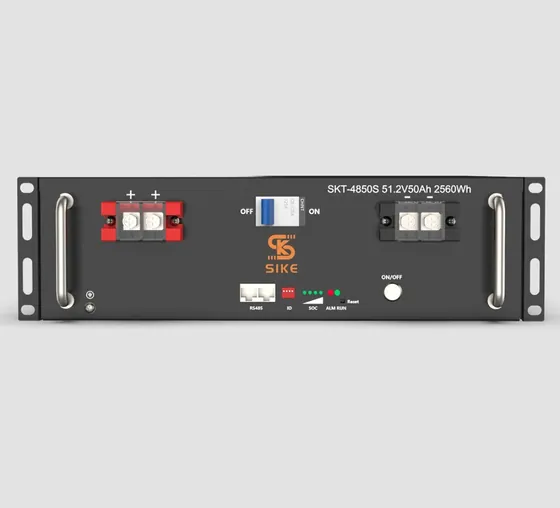
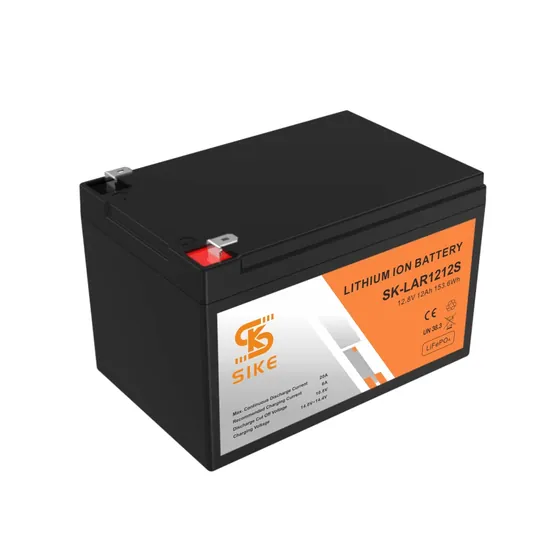
Packs Referenced In This Guide
Product groups
Groups This Guide Covers
Powerwall Lithium Batteries
Wall-mounted 51.2V home storage from 5 kWh to 30 kWh, 6000+ cycles, five-year warranty, IP54 on the wall-hung models.
12V And 24V Lithium Batteries
Drop-in LiFePO4 replacements for lead-acid, from an 8Ah UPS block to a 400Ah house bank, with IP65 cases and Bluetooth monitoring.
Turn This Into A Specification
Send us the application and we will translate it into a model, a capacity, a BMS rating and a delivery plan.