
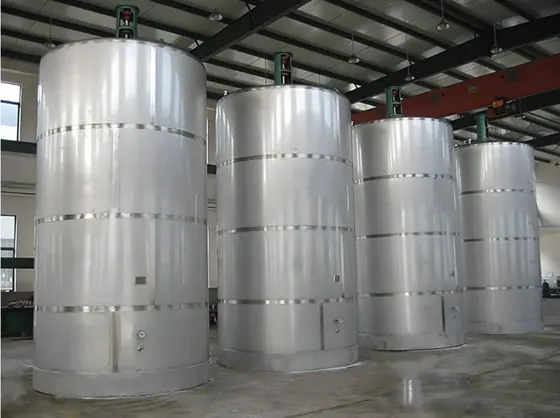
Dairy and Liquid Processing
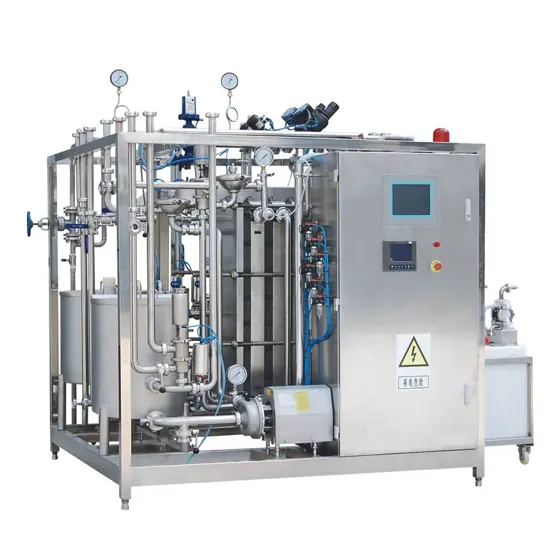
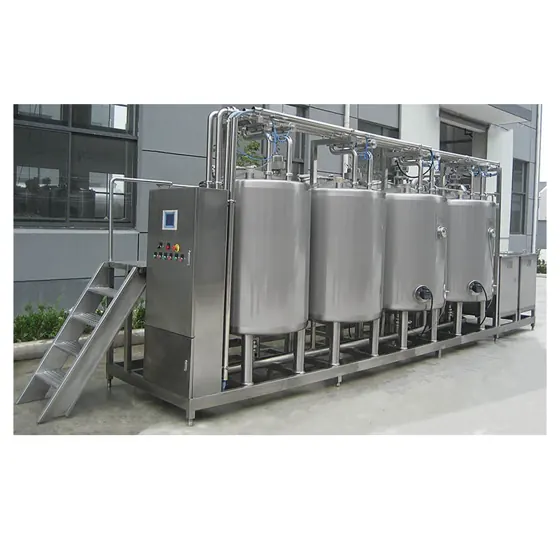
Dairy Processing Machinery
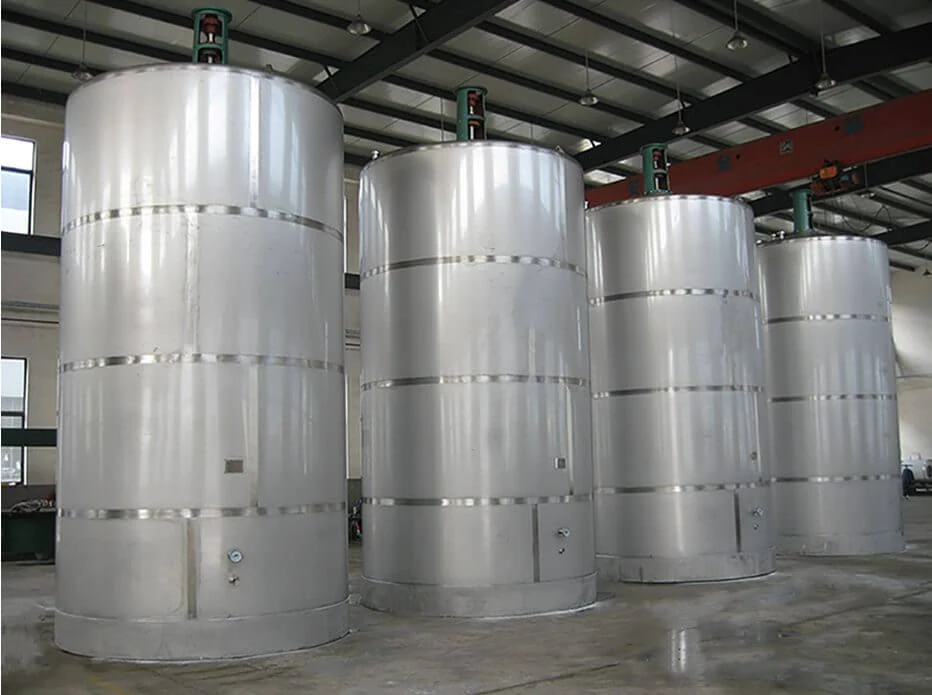
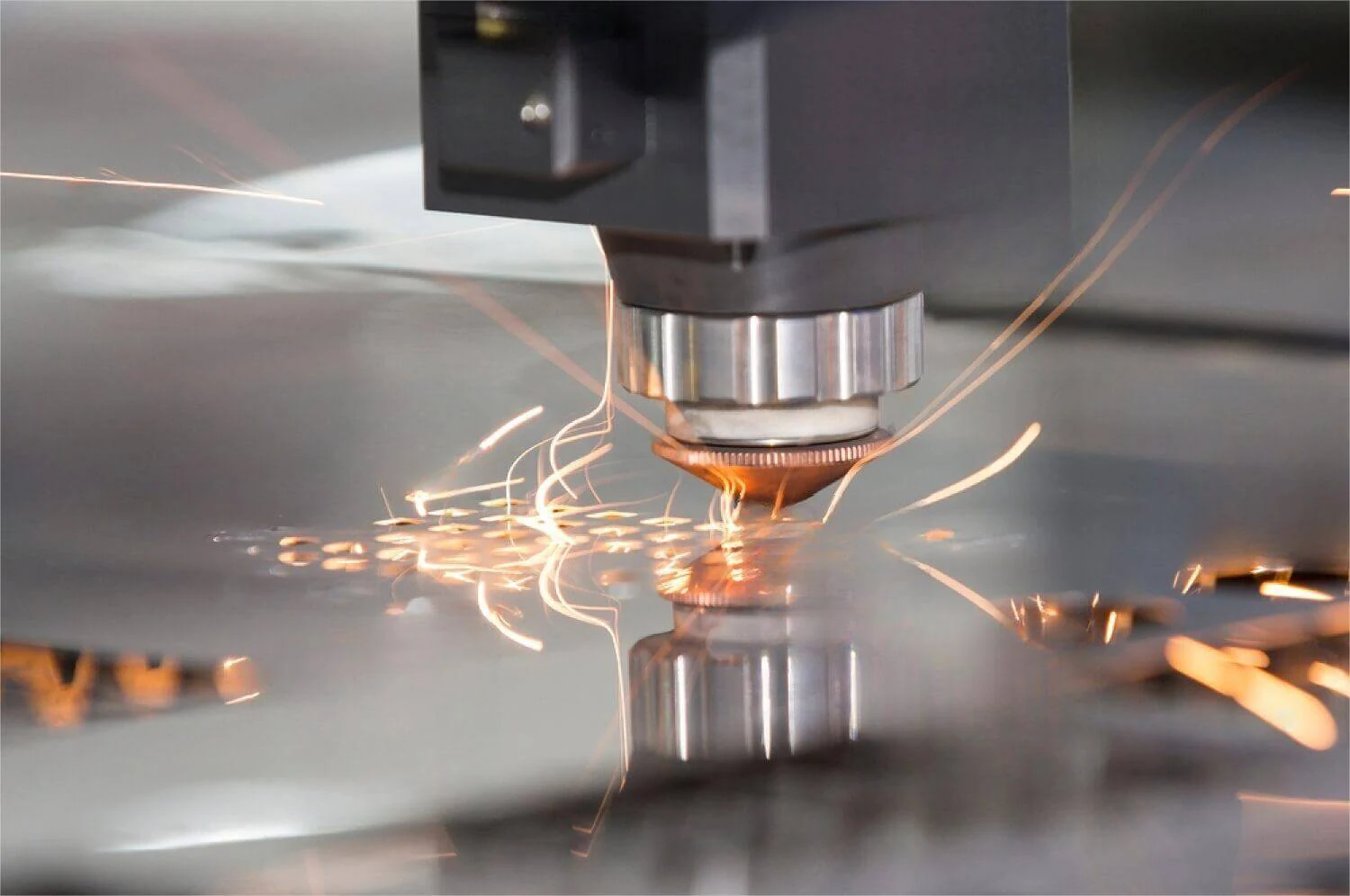
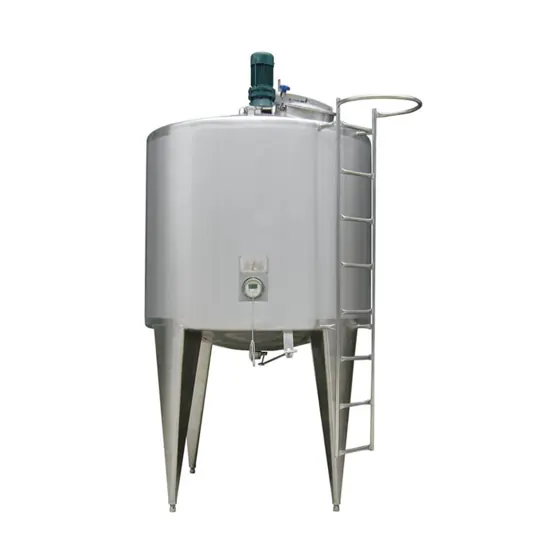
Tanks, separation, heat treatment and filling for every stage between the milking parlour and the pallet.
TrueGlow Imaging supplies food and beverage processing machinery, material handling equipment and industrial components to overseas buyers. Every one of our 122 products publishes what actually decides the purchase: capacity range, thermal profile or speed, materials of construction, named control components and minimum order, so a line can be balanced on paper before an enquiry is sent.
Dairy and liquid processing, fruit and packaging machinery, cranes and material handling, precision machining and fabrication, rubber seals and plastics, power and electrical materials, and dental imaging equipment. Each group is organised around the decision a buyer actually has to make.
Tanks, separation, heat treatment and filling for every stage between the milking parlour and the pallet.
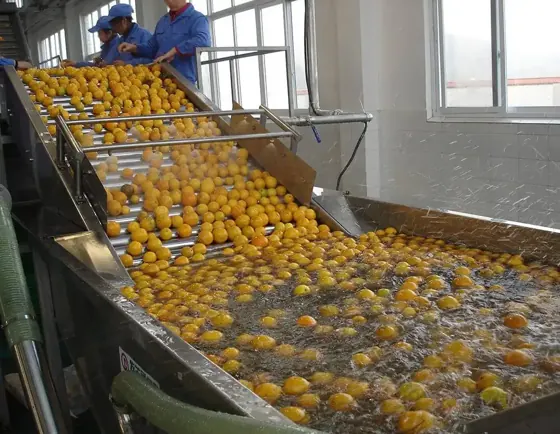
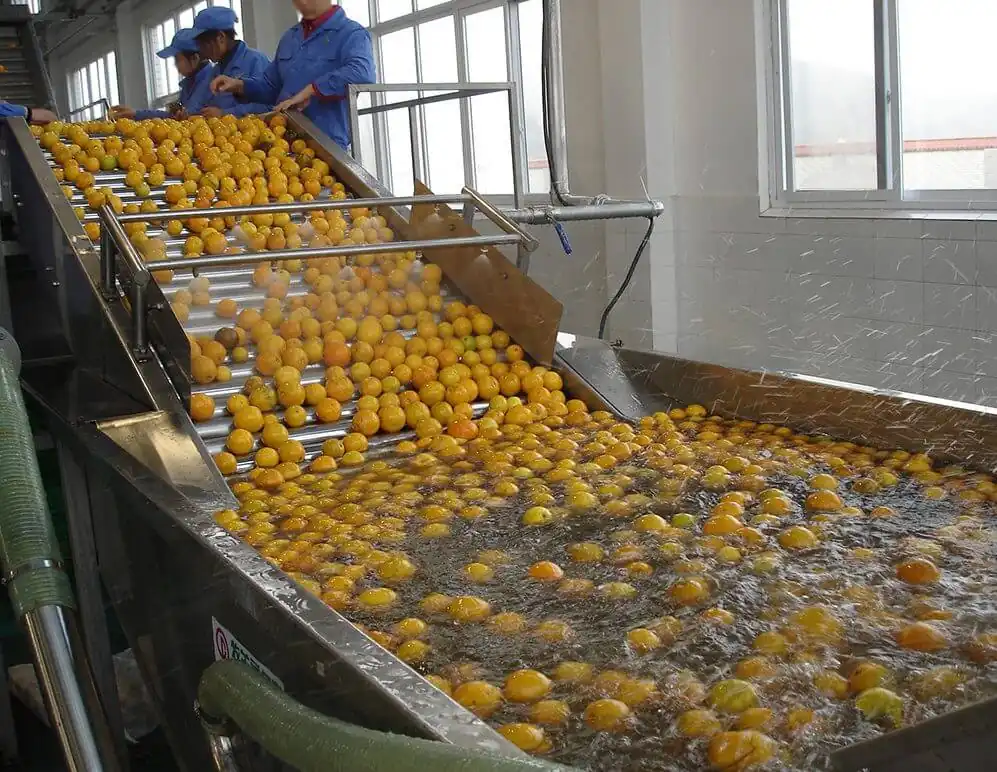
Intake to aseptic bag: washing, sorting, destoning, pulping, pressing, drying and filling.
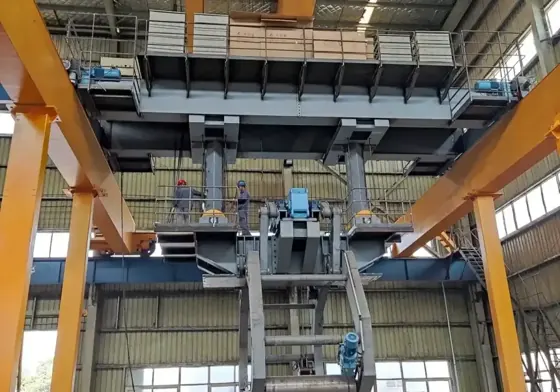
10 to 200 tons on double beam bridges spanning up to 49 metres, in light and winch builds.
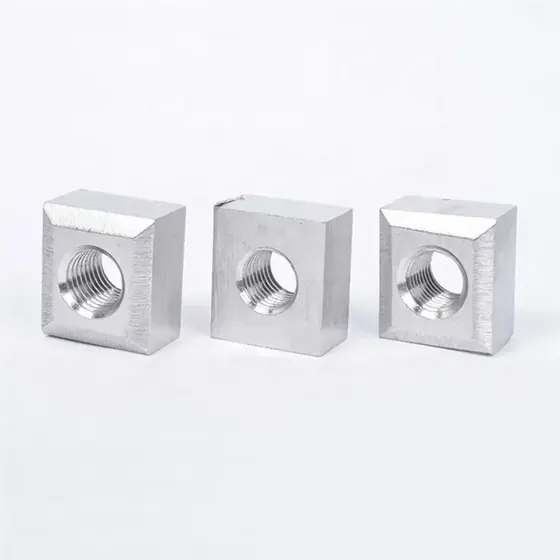
Wire EDM, grinding, drilling and mill component manufacture to your drawing.
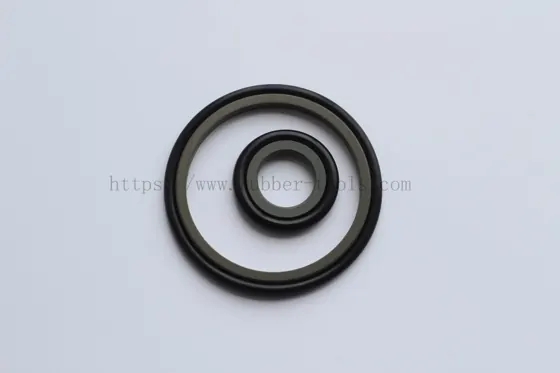
NBR HNBR EPDM FKM and FFKM, plus Y seals and the full AS568 size range.
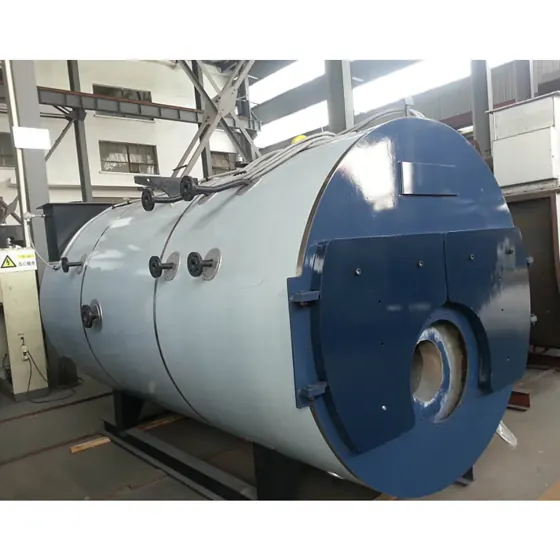
Boilers, cooling towers, air compressors and chillers sized to the process they serve.
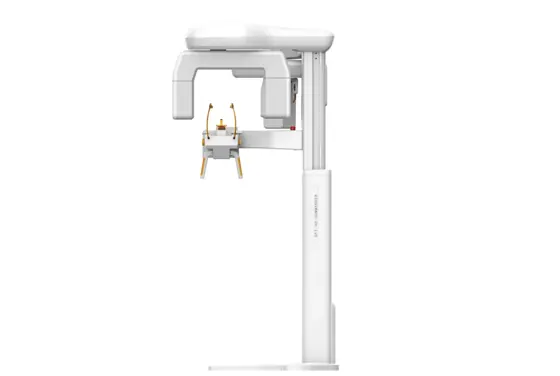
Four-in-one CBCT panoramic cephalometric and model scanning with a 3 year warranty.
Two from each group, to show how the specifications are written. The full list of 122 is on the products page, with no pagination and nothing held back.
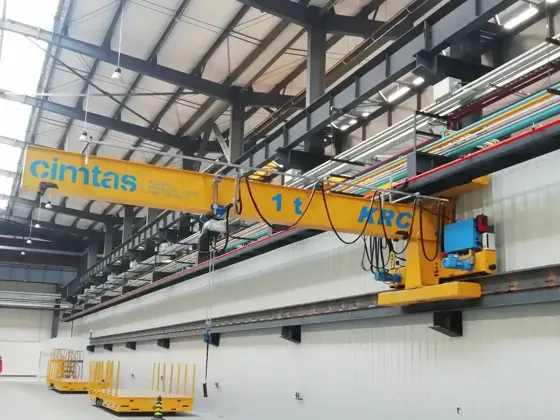
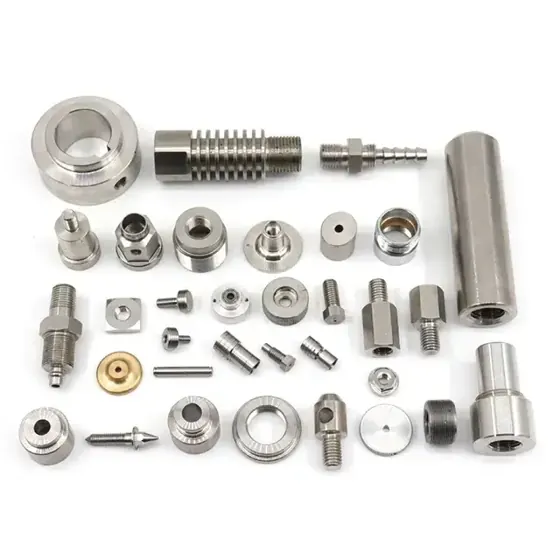
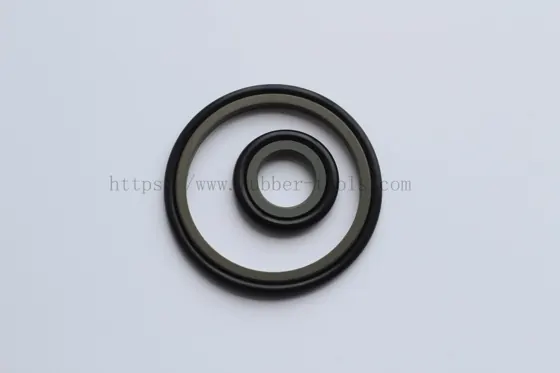
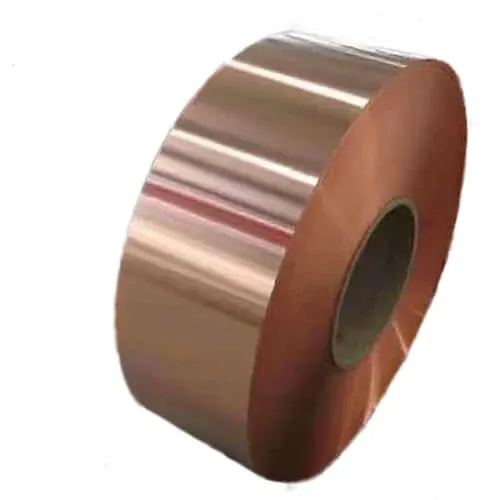
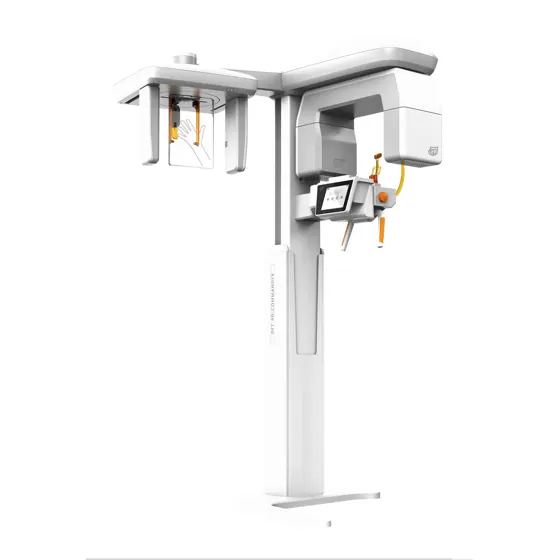
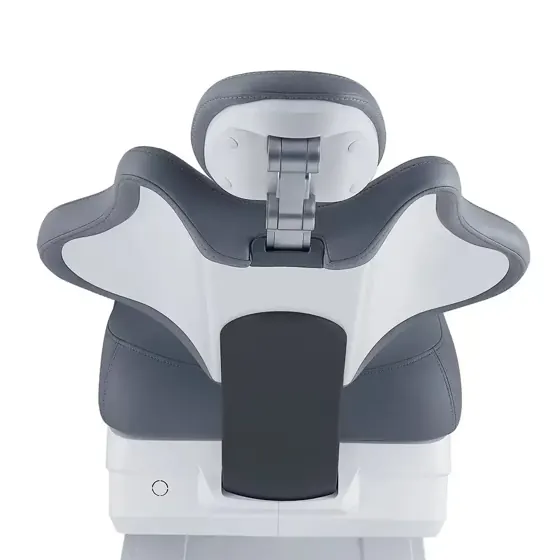
Eight sectors, each with its own failure modes and its own reason for choosing one configuration over another.
From the milking parlour to the sealed pack, with the cleaning system that keeps it legal.
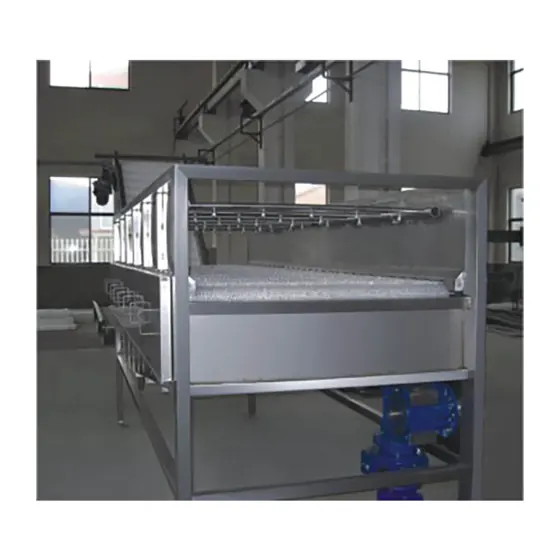
Sizing a seasonal line so the harvest becomes product rather than waste.
Fermentation, bright tank, pasteurisation and filling for beer water and soft drinks.
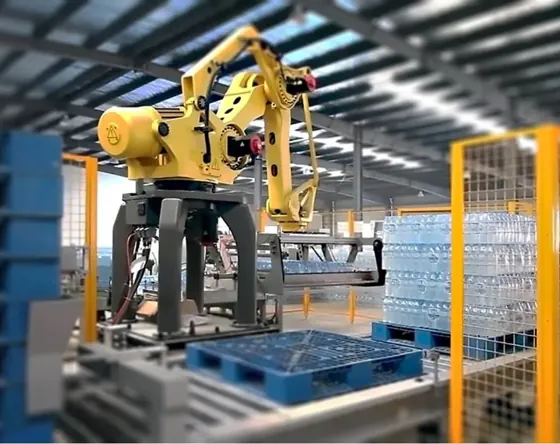
Depalletizing to palletizing, balanced against the filler in the middle.
Custom parts, tooling and the cranes that move them around the shop.
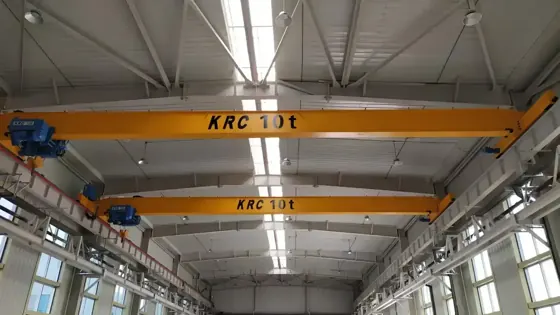
Lifting from 250 kg to 360 tons, indoors on a runway or outdoors on legs.
Winding conductor and core steel specified by conductivity and loss, not by weight.
Imaging, magnification, treatment units and milling for clinics and labs.
None of them is solved by a lower price, and all four are answered on the product pages rather than in a conversation.
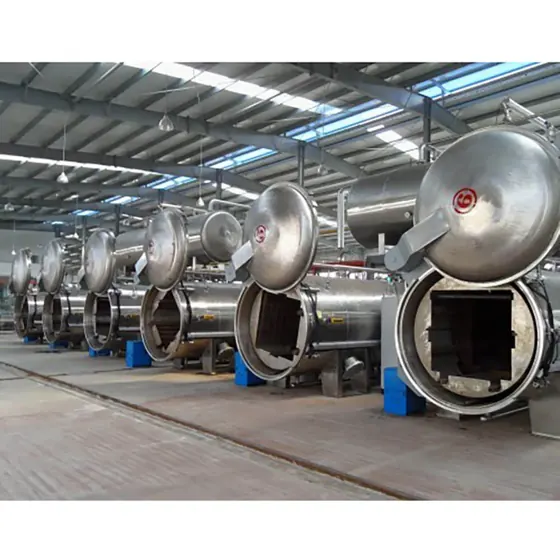
Plate pasteurisation at 85 degrees C for 15 seconds, yogurt at 90 to 95 degrees C for 300 seconds, UHT at 137 degrees C. Three machines, three products, three shelf lives. The thermal profile is printed on the page rather than agreed during commissioning.
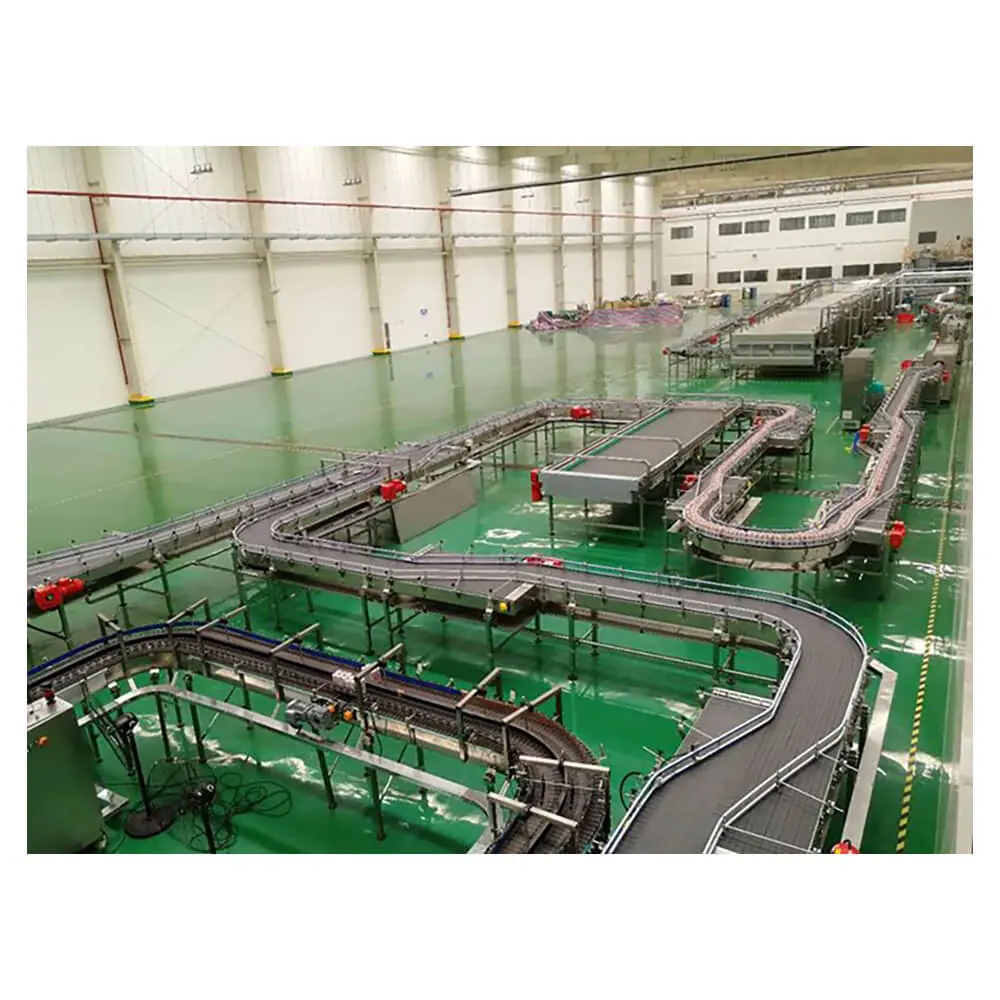
Depalletizing at 500 to 1200 CPM, labelling at 15,000 to 30,000 BPH, palletizing at 20 to 80 cartons per minute. Every speed is published, so the slowest link in the chain is identified with arithmetic before a purchase order is written.
SIEMENS PLC, Spirax Sarco steam valves, Schneider electrics, Burkert and JUMO instruments, Danfoss and Mitsubishi inverters. Naming the components means replacements come from ordinary industrial supply rather than from one supplier's goodwill.
Wire EDM on hardened tooling, machining to 0.005 mm, custom fasteners, moulds cut in an in-house workshop. Single parts and reverse engineering from a worn sample are normal work here rather than exceptions to a minimum order.
Factory identification, in-process quality control and delivery supervision, so goods are inspected before the container is sealed rather than after it lands.
Send the process problem rather than the model number and get back a specification you can compare.
Factory identification, negotiation and verification for buyers who cannot visit.
Parts made to your drawing, or designed from your requirement when there is no drawing.
Checking goods before they ship rather than after they arrive.
Container planning, commissioning and the spare parts route after the warranty ends.
How to choose between a light and a winch crane, which thermal profile your dairy product needs, and how to balance a packaging line before you buy it.
Most crane enquiries name a tonnage. The two questions that actually decide the crane are whether the hook pulls as well as lifts, and how many lifts it makes per shift.
Three thermal profiles, three different machines and three different distribution models. Which one your plant needs is decided by shelf life and cold chain, not by capacity.
Almost every seal failure is a material selection error rather than a dimensional one. The fluid and the temperature decide the elastomer, and the size is the easy part.
Both, depending on the product. Process machinery and cranes come from established manufacturing partners; custom machined, fabricated and moulded parts are made to your drawing. We say which on each product page rather than claiming to own every plant.
122 products across seven groups: dairy and liquid processing, fruit and packaging machinery, cranes and material handling, precision machining and fabrication, rubber seals and plastics, power and electrical materials, and dental imaging equipment.
One unit on every machine in the process and utility ranges, with monthly production capacities published per model. Machined and fabricated parts are accepted as single pieces.
Yes. Every product page publishes its capacity range, materials of construction, control components and process figures, and 34 specification sheet PDFs are downloadable without an enquiry.
Certifications quoted on product pages belong to those product ranges: CE and ISO on the cranes, ISO 9001:2015, ISO 14001 and ISO 45001:2018 on the EOT cranes, IEC, BIS and ASTM on transformer copper. Ask for the certificate covering your specific item.
WhatsApp is fastest. Send the process details rather than a model number: flow rate, product, container format and the utilities you already have on site.
Flow rate, product, container format and the utilities already on site. You will get a specification you can compare rather than a price on its own.