
Fruit Processing Machines
Fruit Sorting Machine
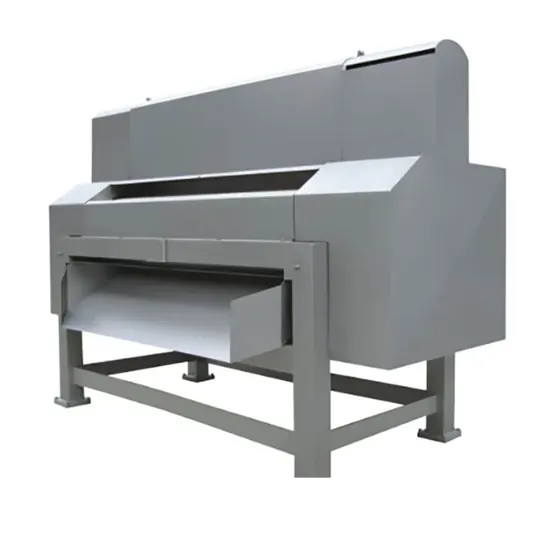
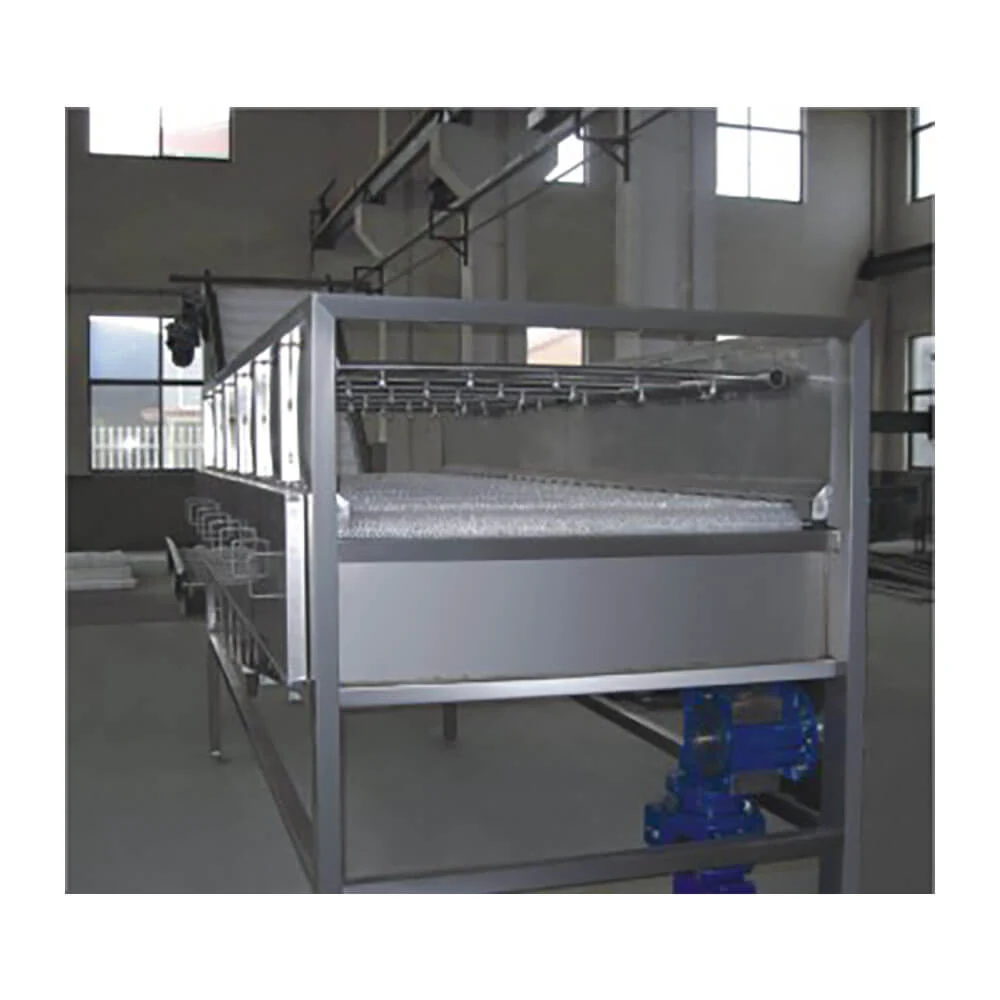
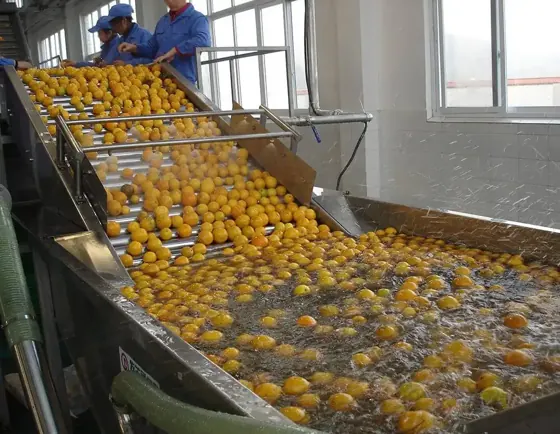
A fruit sorting machine handling 1 T/H to 30 T/H in SUS304, used on fruit juice production lines to remove damaged fruit manually before processing.
Product Overview
A fruit sorting machine handling 1 T/H to 30 T/H in SUS304, used on fruit juice production lines to remove damaged fruit manually before processing. The machine presents the fruit to operators at a controlled rate so bad fruit is taken out before it reaches the pulper, where one rotten fruit can affect an entire batch of juice.
Key benefits
Why Buyers Choose This Specification
Removes Defects Before the Pulper
One rotten fruit in a pulper contaminates the batch behind it. Sorting is the cheapest quality control step in a juice line and the only one that happens before the damage is done.
Capacity Range of Thirty to One
1 T/H to 30 T/H covers a small regional processor and a large juice plant within the same machine family.
SUS304 Throughout
The machine handles wet, acidic fruit all day. Stainless construction is what keeps it hygienic and serviceable across a season.
Capacity Chosen by the Customer
Different capacity machines are offered rather than one size, so the sorter matches the incoming fruit rate.
Application scenarios
Where It Is Used
- Sorting mango before pulping in a juice line
- Removing damaged apples ahead of pressing
- Inspecting tomatoes before paste production
- Seasonal fruit intake at a processing plant
- Quality inspection point after washing
- Small-scale juice production at 1 T/H
Who it is for
The Buyers This Product Suits
Fruit Juice Producers
The machine is built for fruit juice production lines, where sorting protects everything downstream of it.
Seasonal Processors
Fruit intake quality varies through a season, which is exactly when a sorting station earns its cost.
Plants With Variable Intake Rates
A range from 1 T/H to 30 T/H means the machine can be matched to actual intake rather than to peak theoretical.
Problems it solves
What It Fixes
Spoiled Fruit Reaching the Pulper
Manual sorting on a presentation conveyor is the step that catches it while the fruit is still whole.
Sorting Rate Mismatched to Intake
Capacity is selected from 1 T/H to 30 T/H to match the line rather than fixed.
Hygiene on Wet Fruit Handling Equipment
SUS304 construction allows proper wash-down between shifts.
Specifications
Published Figures For This Product
Every value below comes from our own product specification. Where a figure is not published we leave it out rather than estimating it.
| Product Model | HTK-JGJ-01 |
|---|---|
| Working Capacity | 1 T/H to 30 T/H, customised |
| Material | SUS304 |
| Function | Manual sorting of bad fruit out of the line |
| Application | Fruit juice production lines |
| Minimum Order | One unit |
| Production Capacity | 50 units per month |
| Grade | SUS304 |
Packing and documents
How It Ships And What Comes With It
Packing And Loading
Shipping volume for this item depends on the configuration and capacity you select, so no fixed container figure is published. Confirm the specification and the destination and a loading plan is issued with the quotation, rather than a figure we cannot support.
Documentation On File
- Fruit Beverage and Packaging · Fruit Processing Machines Specification Sheet18.5 KB
- Catalogue · Full Product Catalogue154.0 KB
Sourcing And Inspection
This product is supplied through TrueGlow Imaging, working with manufacturing partners whose facilities are visited and verified rather than taken on trust. In-process quality control and delivery supervision are available so goods are inspected before the container is sealed. Certifications quoted on this page are those stated on the product specification and belong to that product range rather than to our trading entity, so ask for the certificate covering your specific item.
Handling guide
Getting It Right First Time
Step 1
Size the machine against peak daily intake, not average season throughput.
Step 2
Position the sorter after washing so operators inspect clean fruit.
Step 3
Set belt speed so operators can actually see and reach every fruit.
Step 4
Provide reject chutes and collection at each operator position.
Step 5
Include the sorting table in the daily cleaning schedule.
Comparison
How It Compares In Our Range
Where the sorting machine sits in the fruit line.
| Fruit Washing Machine | Removes field soil and surface contamination before inspection. |
|---|---|
| Fruit Sorting Machine | Presents washed fruit to operators at 1 to 30 T/H so damaged fruit is removed before pulping. |
| Destoner | Removes stones from mango, peach and similar fruit after sorting. |
FAQ
Fruit Sorting Machine Questions
What capacity is available?
1 T/H to 30 T/H, customised to your intake rate.
What material is it built from?
SUS304.
Is the sorting automatic?
The machine presents fruit for manual sorting, so operators remove bad fruit as it passes.
Where does it fit in the line?
On the fruit juice production line, before pulping, typically after washing.
What is the minimum order?
One unit, with a production capacity of 50 units per month.
What is the model number?
HTK-JGJ-01.
Related products
Other Products Buyers Look At
Industries
Sectors That Use This Product
Fruit and Juice Processing
Sizing a seasonal line so the harvest becomes product rather than waste.
Food Packaging Lines
Depalletizing to palletizing, balanced against the filler in the middle.
Dairy Processing
From the milking parlour to the sealed pack, with the cleaning system that keeps it legal.
Further reading
Guides That Cover This Product
Specifying a CIP System That Actually Cleans
A cleaning cycle that runs without flow cleans nothing and reports success. Conductivity monitoring, flow switches and return pump selection are what make CIP verifiable.
Balancing a Packaging Line Before You Buy It
A line runs at the speed of its slowest machine, and that machine is rarely the filler. Every speed in this range is published, so the bottleneck can be found with arithmetic.
Quote Fruit Sorting Machine
Send the capacity or size you need, the quantity and the destination, and we will confirm the configuration, the lead time and a loading plan.