
Rubber and Plastic Products
Custom moulded rubber and plastic parts with in-house mould design and manufacture.
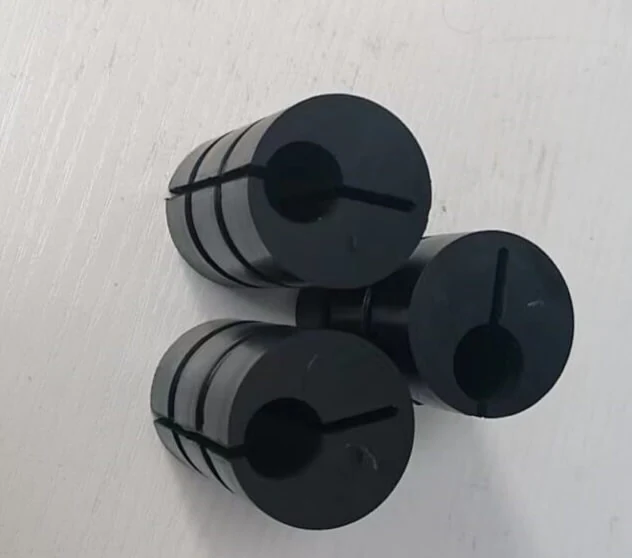
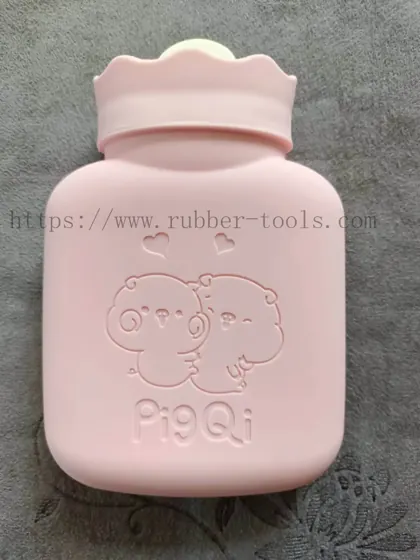
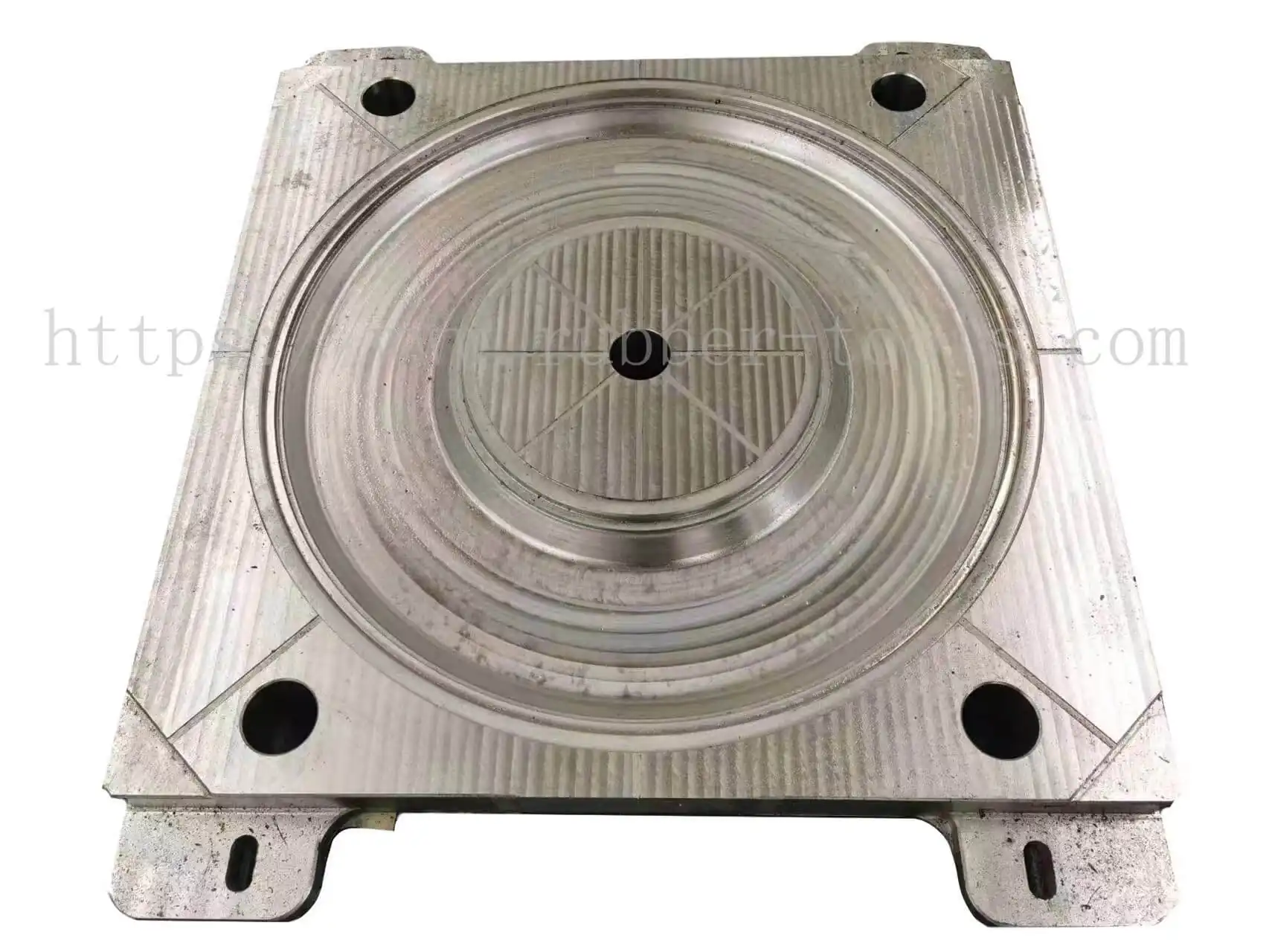
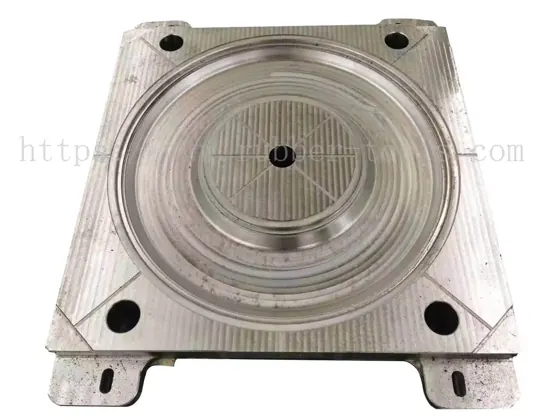
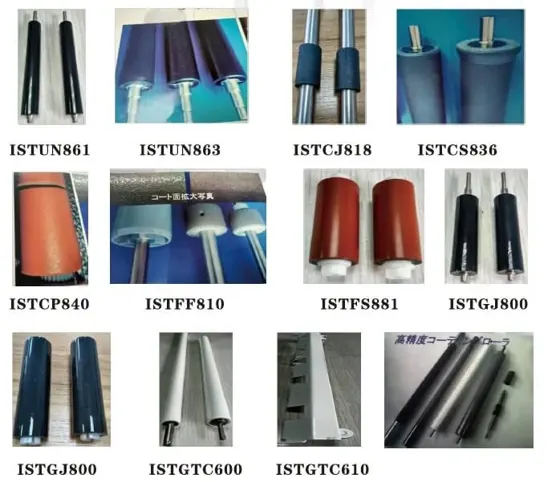
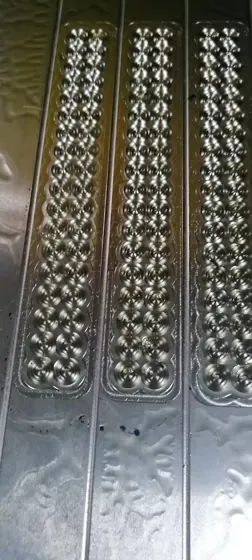
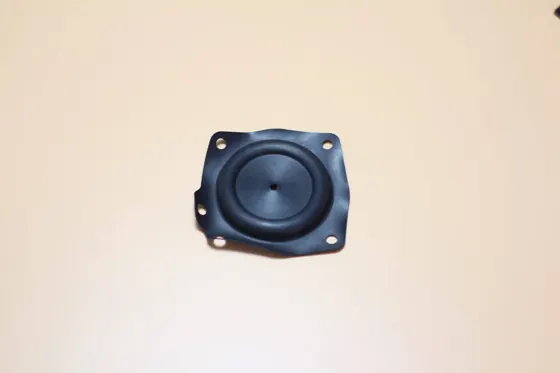
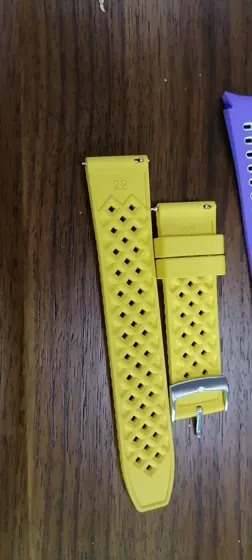
Nine moulded product capabilities backed by an in-house mould workshop, a structural design team, a machining workshop and a coating workshop. That combination covers rubber moulds and O-ring moulds, SBR and FKM moulded products, rubber rollers in four covering materials, bonded rubber-to-metal suspension bushes, injection and blow moulded plastic parts, and a silicone consumer product.
The range
All 9 Products In This Group
The problem
What This Group Is Built To Solve
Custom moulded parts fail in the gap between the designer and the mould maker. Shrinkage, draft, parting line and bond surface preparation are all decisions that have to be made together, and when they are made by two companies they get made twice and differently. Having design, tooling, machining and coating in one place is what closes that gap.
Who buys these
Who This Range Is For
Automotive Suppliers
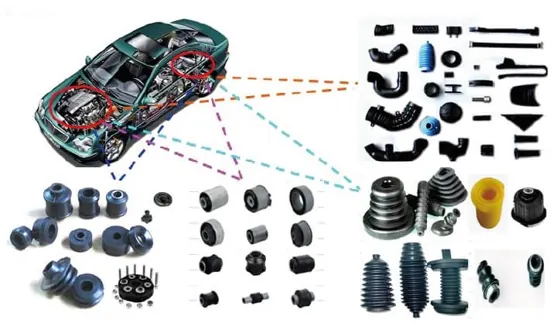
Seals, gaskets, shock absorbers and bonded suspension bushes, with the metal insert machined and coated in the same facility as the rubber is moulded onto it.
Equipment and Machinery Builders
Rubber rollers for printing, paper feed, conveying and coating, in EPDM, silicone, PU or SBR, tailored to the machine rather than to a standard diameter.
Product Companies Needing Tooling
Compression and transfer moulds designed and made in-house, covering consumer goods, medical instruments and construction components.
Why these
What Makes This Range Different
Mould Design and Manufacture In-House
An experienced structural design engineer in the same workshop as the tooling. A part can be designed for manufacture rather than corrected after the first tool.
Machining and Coating for Bonded Parts
Metal inserts are machined and coated on site, then over-moulded. A rubber-to-metal bond failure almost always traces back to surface preparation done elsewhere.
Material Range Across Rubber and Plastic
SBR, FKM, EPDM, silicone and PU on the rubber side, injection and blow moulding on the plastic side, so a mixed assembly stays with one supplier.
Quality Control and Delivery Supervision
On the plastic parts, three production suppliers sit behind one contract, with inquiry handling, quality control and delivery supervision provided as part of the service.
Application
Where These Products Are Used
- Automotive seals, gaskets and suspension bushings
- Printing, paper feed, conveyor and coating rollers
- Compression and transfer moulds for new parts
- O-ring production tooling
- Injection and blow moulded plastic components
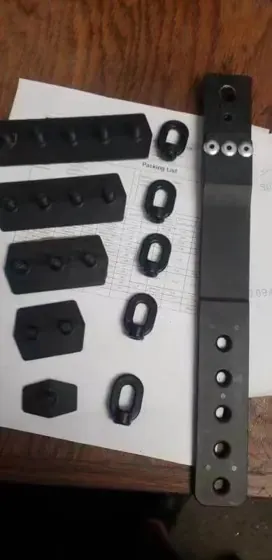
- Counterweight blocks and industrial rubber mouldings
Documentation
Downloads Covering This Group
Specification sheet PDFs already on file for products in this range.
- Rubber Seals and Plastics · Rubber and Plastic Products Specification Sheet20.1 KB
- Catalogue · Full Product Catalogue154.0 KB
- Rubber Seals and Plastics · Rubber and Plastic Products Specification Sheet20.1 KB
- Catalogue · Full Product Catalogue154.0 KB
- Rubber Seals and Plastics · Rubber and Plastic Products Specification Sheet20.1 KB
- Catalogue · Full Product Catalogue154.0 KB
- Rubber Seals and Plastics · Rubber and Plastic Products Specification Sheet20.1 KB
- Catalogue · Full Product Catalogue154.0 KB
- Rubber Seals and Plastics · Rubber and Plastic Products Specification Sheet20.1 KB
- Catalogue · Full Product Catalogue154.0 KB
- Rubber Seals and Plastics · Rubber and Plastic Products Specification Sheet20.1 KB
- Catalogue · Full Product Catalogue154.0 KB
Industries
Sectors That Specify This Group
Metal Fabrication and Machine Shops
Custom parts, tooling and the cranes that move them around the shop.
Food Packaging Lines
Depalletizing to palletizing, balanced against the filler in the middle.
Warehousing and Heavy Industry
Lifting from 250 kg to 360 tons, indoors on a runway or outdoors on legs.
Further reading
Guides Related To This Group
Selecting an O-Ring Material NBR EPDM FKM or FFKM
Almost every seal failure is a material selection error rather than a dimensional one. The fluid and the temperature decide the elastomer, and the size is the easy part.
FAQ
Rubber and Plastic Products Questions
Do you make your own moulds?
Yes. There is an in-house mould workshop with an experienced structural design engineer who designs and develops the tooling.
Which mould types do you build?
Compression moulds for large parts with simpler designs and transfer moulds for intricate designs and over-moulding.
Which rubber materials do you process?
SBR and FKM as moulded products, plus EPDM, silicone and PU as roller coverings.
Can you make bonded rubber-to-metal parts?
Yes. Metal parts are machined and coated in-house, then the rubber is moulded onto them.
Do we pay for tooling?
Moulds are quoted separately from the piece price. Confirm your volume so tooling can be amortised sensibly.
Can you design the part for us?
Yes, the structural design team designs product structure independently where you have a requirement rather than a drawing.
Get A Quotation On Rubber and Plastic Products
Send the capacity you need, the products it will handle and the destination, and we will confirm configuration, materials and a container plan.