
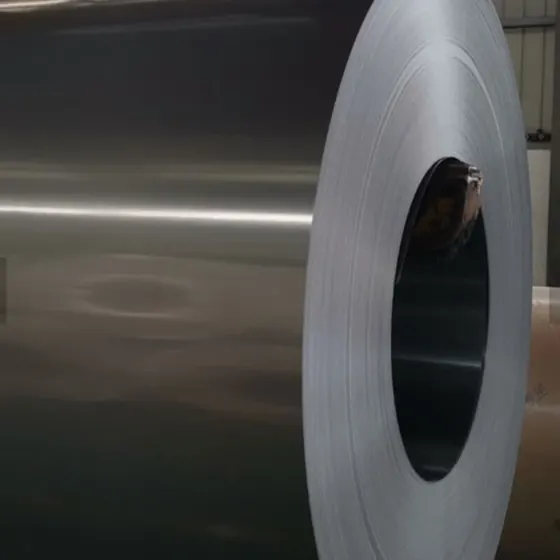
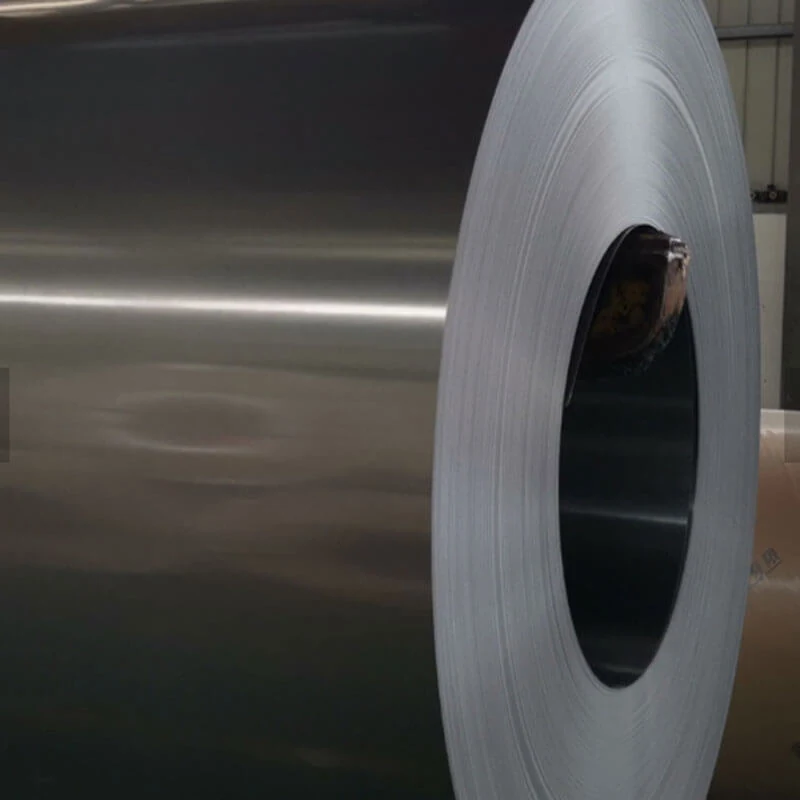
Silicon Steel
Cold rolled electrical steel under 2 mm in grain oriented and non-oriented grades.
Silicon steel, also called electrical steel, is a silicon-bearing soft magnetic alloy whose properties create a hysteresis region, increase permeability and reduce core losses. For transformers it is cold rolled and typically under 2 mm thick, stacked into laminations for transformer and motor stator and rotor cores. It is supplied in grain oriented and non-oriented grades, and cut by dimple die, laser or EDM.
The range
All 1 Products In This Group
The problem
What This Group Is Built To Solve
A transformer's no-load loss runs for every hour of its life, loaded or not, and it is set by the core steel grade chosen once at design. Over twenty years that compounds into a number far larger than the difference in material cost, which is why core steel is the wrong place to save money and the right place to specify carefully.
Who buys these
Who This Range Is For
Transformer Manufacturers
Core steel grade is the single biggest determinant of no-load loss, which is often a contractual performance figure on a distribution transformer.
Motor Manufacturers
Non-oriented electrical steel is the correct grade for stator and rotor cores, where the flux direction rotates rather than following a fixed path.
Repair Shops and Prototypers
Laser and EDM cutting produce one-off lamination shapes without a punch tool.
Why these
What Makes This Range Different
Both Grades Supplied
Grain oriented for transformer cores where flux follows a fixed path, non-oriented for rotating machines. Using the wrong one costs losses permanently.
Cold Rolled Below 2 mm
Thin laminations are what limit eddy current losses, and cold rolling under 2 mm is the standard construction for transformer cores.
Three Cutting Processes
Dimple die for volume, laser and EDM for prototypes and repairs, so the lamination shape follows the core design rather than an existing punch set.
A Defined Magnetic Specification
Increased permeability and reduced core losses are the properties being bought, not simply a steel with silicon in it.
Application
Where These Products Are Used
- Transformer core lamination stacks
- Motor stator and rotor cores
- Distribution transformer manufacture
- Repair and replacement of damaged cores
- Reactor and inductor cores
- Prototype cores cut by laser or EDM
Documentation
Downloads Covering This Group
Specification sheet PDFs already on file for products in this range.
Industries
Sectors That Specify This Group
Power and Transformer Manufacturing
Winding conductor and core steel specified by conductivity and loss, not by weight.
Metal Fabrication and Machine Shops
Custom parts, tooling and the cranes that move them around the shop.
Warehousing and Heavy Industry
Lifting from 250 kg to 360 tons, indoors on a runway or outdoors on legs.
Further reading
Guides Related To This Group
Copper or Aluminium for Transformer Windings
63% IACS against 99% IACS. With both figures published, the choice between aluminium and copper foil becomes arithmetic at design stage rather than a matter of preference.
FAQ
Silicon Steel Questions
What is silicon steel?
Electrical steel, a silicon-bearing soft magnetic alloy with magnetic properties that create a hysteresis region, increase permeability and reduce core losses.
What thickness is used for transformers?
It is usually cold rolled and typically less than 2 mm thick.
Which grades do you supply?
Grain oriented and non-oriented.
Which grade do we need?
Grain oriented for transformer cores where flux follows a fixed path, non-oriented for motor stators and rotors where it rotates.
How are laminations shaped?
After stacking, the steel is cut and shaped using a dimple die, laser or EDM process.
What should we send to get a quotation?
The core design, the required lamination thickness and your target core loss figure.
Get A Quotation On Silicon Steel
Send the capacity you need, the products it will handle and the destination, and we will confirm configuration, materials and a container plan.