
Metal Stamping Parts
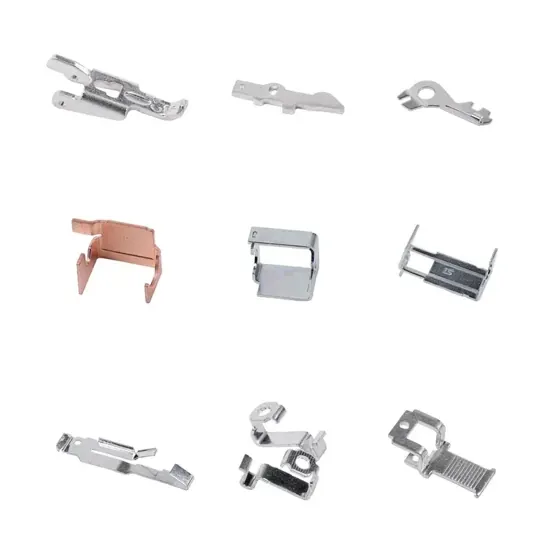
Punching, deep drawing, bending and perforating in aluminium brass and stainless steel.
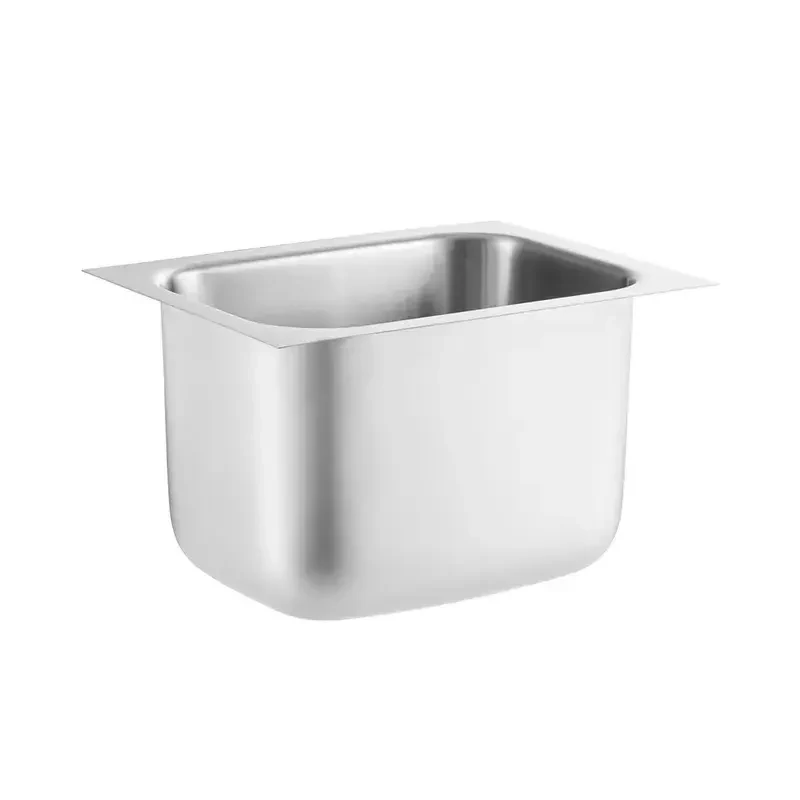
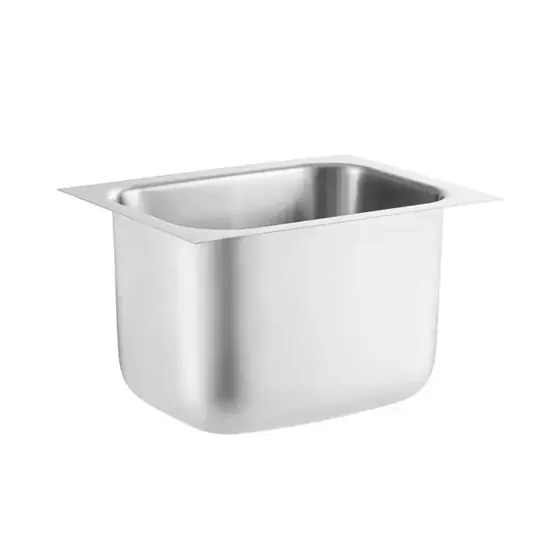
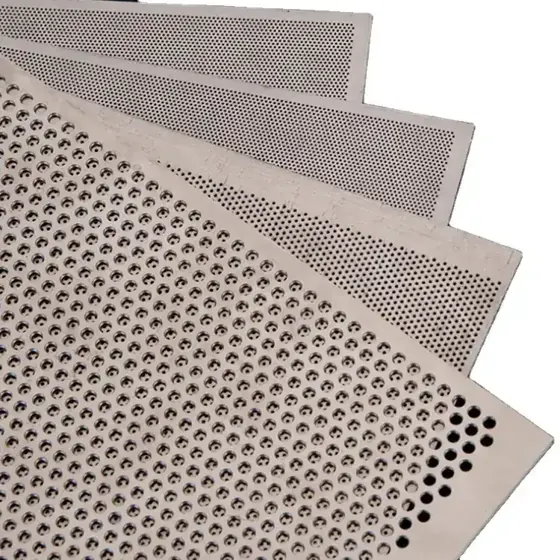
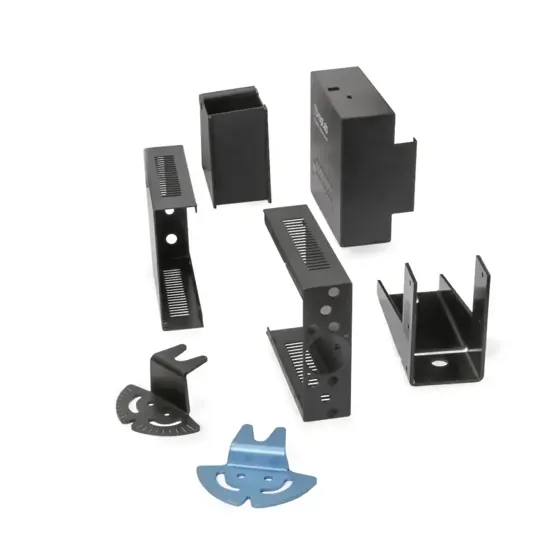
Four forming capabilities that all start from flat sheet. CNC punching for brackets, enclosures and gears; deep drawing for seamless cups, cylinders and cavities; CNC bending on computer-controlled machines for repeatable angles; and decorative perforated sheet for facades, screens and ventilation panels.
The range
All 4 Products In This Group
The problem
What This Group Is Built To Solve
Formed sheet parts fail at the interfaces: a bend angle half a degree out, repeated six times, means the enclosure lid does not fit. A perforation pattern that drifts between sheets is visible across a whole facade. A drawn part designed without regard to draw ratio tears in production. All three are design-stage problems that only show up after tooling is committed.
Who buys these
Who This Range Is For
Electronics Manufacturers
Enclosures to house components and chassis plates are named applications, and punched construction suits the volumes involved.
Automotive and Housewares Producers
Deep drawing produces fuel tanks, body parts, cooking pots, sinks and bathtubs, all of which need a seamless wall.
Architects and Facade Contractors
Perforated sheet is specified by hole shape, pitch and open area, and pattern consistency between adjacent sheets is what decides how the facade looks.
Why these
What Makes This Range Different
Free Samples Before Mass Production
Assessing a real part for fit and finish before committing to a production order is the most effective way to avoid a full batch of scrap.
Every Part Checked After Punching
Not a sample from the batch. On punched parts the failure mode is progressive tool wear, which batch sampling misses by design.
Bend Radius Agreed at Design
Radius determines how sharp or smooth a bend is and whether the outer fibre cracks. It is agreed before production rather than left to whichever tool is in the brake.
Four Materials Across the Range
Aluminium, brass, stainless steel and titanium, so the material follows the corrosion, weight or strength requirement.
Application
Where These Products Are Used
- Brackets and enclosures for electronics
- Gears for machinery and automotive applications
- Seamless drawn vessels for automotive and housewares
- Beverage can production by deep drawing
- Architectural perforated facade and screen panels
- Formed covers and guards with multiple bends
Documentation
Downloads Covering This Group
Specification sheet PDFs already on file for products in this range.
- Precision Machining and Fabrication · Metal Stamping Parts Specification Sheet11.4 KB
- Catalogue · Full Product Catalogue154.0 KB
- Precision Machining and Fabrication · Metal Stamping Parts Specification Sheet11.4 KB
- Catalogue · Full Product Catalogue154.0 KB
- Precision Machining and Fabrication · Metal Stamping Parts Specification Sheet11.4 KB
- Catalogue · Full Product Catalogue154.0 KB
- Precision Machining and Fabrication · Metal Stamping Parts Specification Sheet11.4 KB
- Catalogue · Full Product Catalogue154.0 KB
Industries
Sectors That Specify This Group
Metal Fabrication and Machine Shops
Custom parts, tooling and the cranes that move them around the shop.
Food Packaging Lines
Depalletizing to palletizing, balanced against the filler in the middle.
Power and Transformer Manufacturing
Winding conductor and core steel specified by conductivity and loss, not by weight.
FAQ
Metal Stamping Parts Questions
Do you offer samples?
Yes. Free samples are offered before mass production so you can assess quality and precision firsthand.
Which materials do you form?
Aluminium, brass and stainless steel across the range, plus titanium on deep drawn parts.
What limits a deep drawn part?
Material behaviour. Draw ratio, corner radii and work hardening decide how deep a part can be drawn and in how many stages.
Do you accept our design?
Yes, both OEM to your drawing and ODM developed from your requirement.
How do we specify perforated sheet?
Hole shape, diameter, pitch and the resulting open area, not just the pattern name.
Do we pay for tooling?
Deep drawing requires dies, quoted separately. Punching and bending generally do not.
Get A Quotation On Metal Stamping Parts
Send the capacity you need, the products it will handle and the destination, and we will confirm configuration, materials and a container plan.