
Dairy Processing Machinery
Tanks, separation, heat treatment and filling for every stage between the milking parlour and the pallet.
From the milking parlour to the sealed pack, with the cleaning system that keeps it legal.
Dairy is the largest part of this equipment range and the most demanding application in it. Milk is perishable, the plant is cleaned every production day, and the regulator expects a temperature record for every batch. Forty-odd machines here cover reception, cooling, storage, separation, homogenisation, pasteurisation, UHT, fermentation, cheese, butter, filling and CIP.
Milk warms on the road. Insulated transport tanks with clapboards and farm cooling tanks with dimple pad cooling are what hold the temperature across that gap.
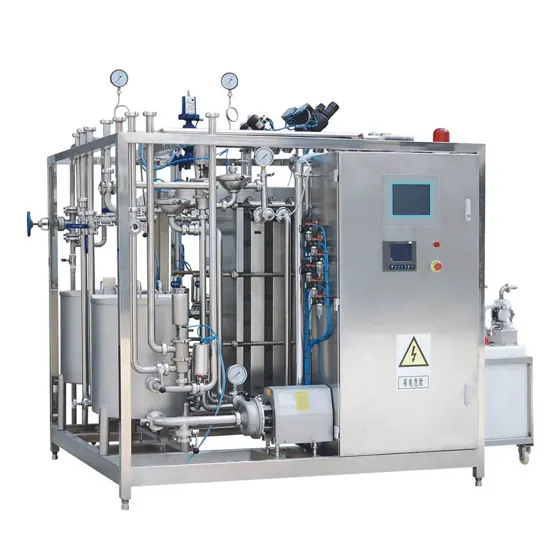
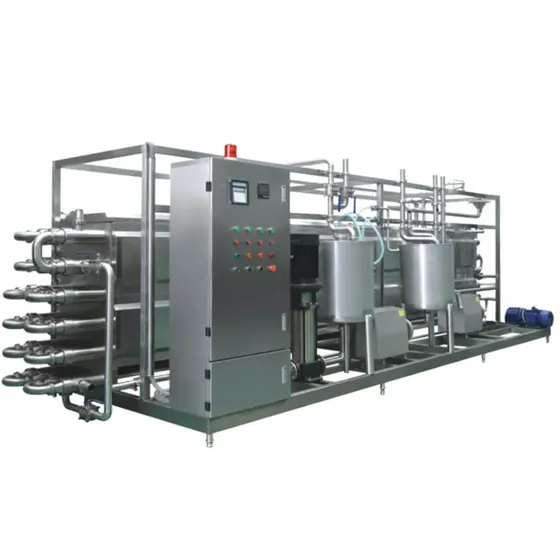
An auditor wants temperature and holding time, recorded. Plate and tunnel pasteurisers here publish their thermal profiles and run them under PLC control.
A CIP set with PLC control, conductivity monitoring and flow switches runs the same sequence every time, and records that it did.
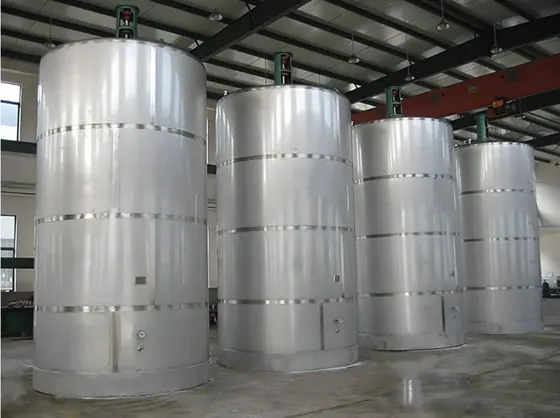
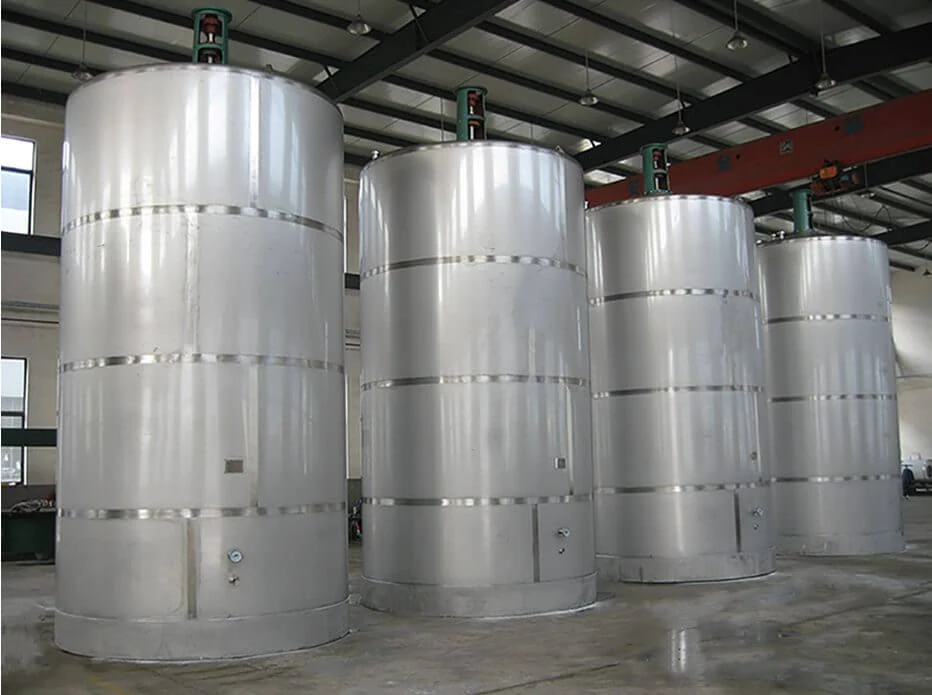
Buffer tanks, aseptic tanks and bright tanks decouple process stages so each runs on its own schedule instead of waiting for the next.
Yogurt needs 300 seconds at 90 to 95 degrees C. Regenerative heat recovery in the plate pack is what makes that affordable per litre.
A pasteuriser sized for a flow the filler cannot take is a common and expensive mistake. Sizing the whole line against one figure avoids it.
Tanks, separation, heat treatment and filling for every stage between the milking parlour and the pallet.
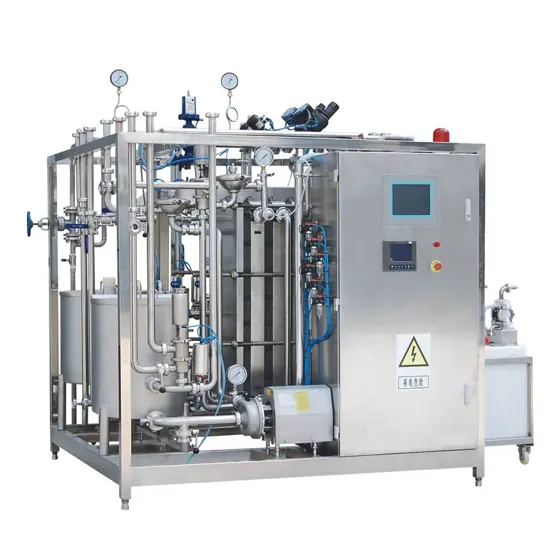
HTST and yogurt thermal profiles on complete skids with pumps, hot water set, balance tank and PLC control.
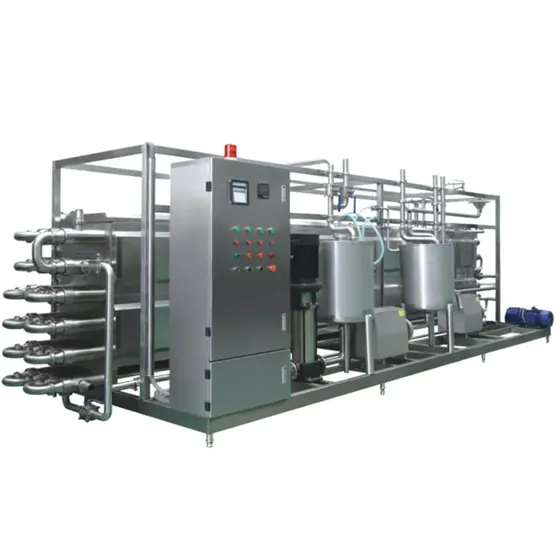
Continuous UHT for thin liquids at 137 degrees C and for viscous products at 95 to 121 degrees C.
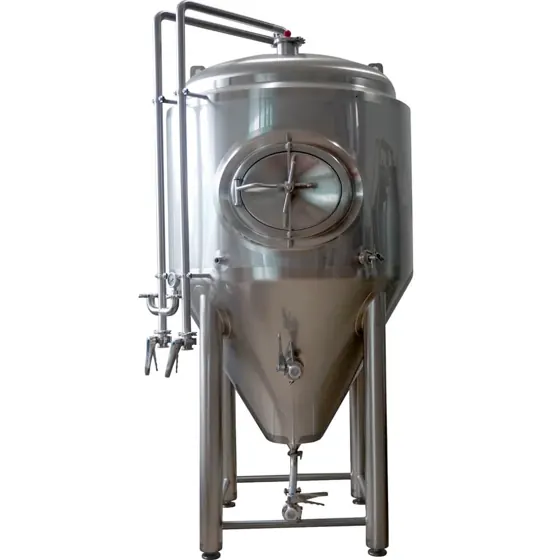
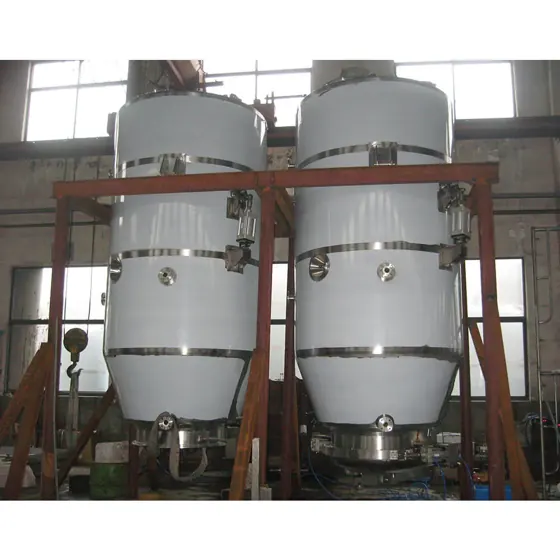
Extraction and fermentation vessels built in SUS304 or SUS316L with the jacket, agitator and instrumentation the process needs.
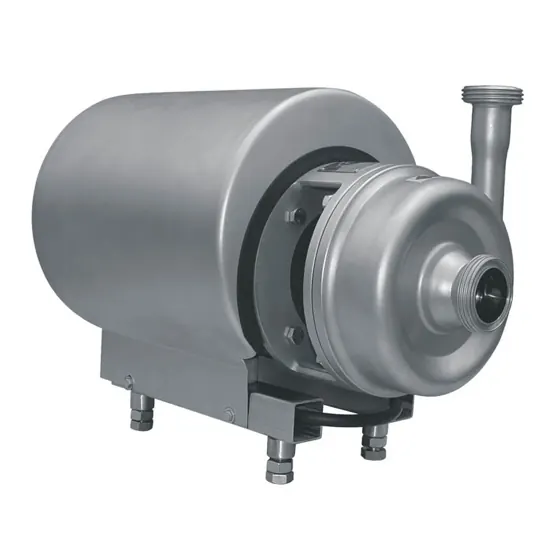
Product transfer and CIP return duties in SUS304 or SUS316L from 1000 to 30,000 L/H.
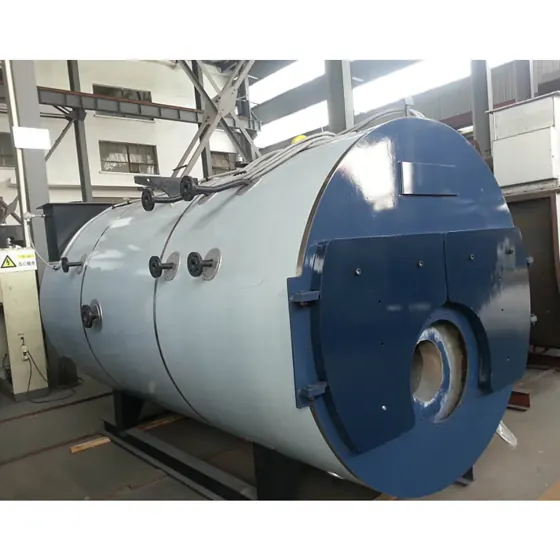
Boilers, cooling towers, air compressors and chillers sized to the process they serve.
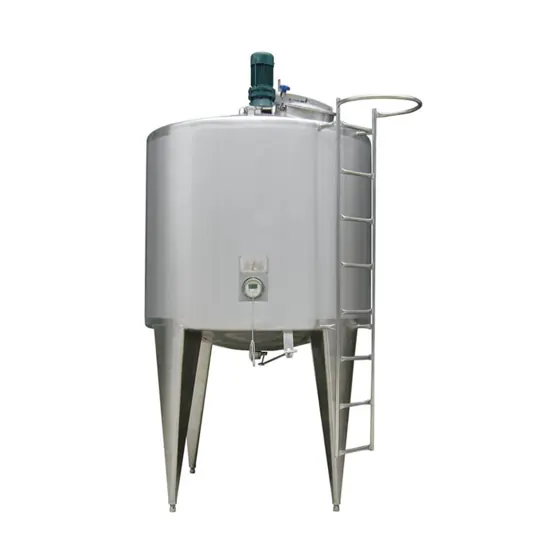
Litres per hour, product type and the container it ends up in. Those three decide most of the line.
Steam, cooling water, compressed air and electrical supply, because these select boiler, chiller and compressor types.
HTST at 85 degrees for 15 seconds, yogurt at 90 to 95 for 300 seconds, or UHT at 137. Each needs a different machine.
Map the circuits and their flows before the CIP set is quoted, because return flow is what limits cleaning coverage.
Load test, temperature mapping and operator training, with the traces kept for the process file.
Three thermal profiles, three different machines and three different distribution models. Which one your plant needs is decided by shelf life and cold chain, not by capacity.
A cleaning cycle that runs without flow cleans nothing and reports success. Conductivity monitoring, flow switches and return pump selection are what make CIP verifiable.
A line runs at the speed of its slowest machine, and that machine is rarely the filler. Every speed in this range is published, so the bottleneck can be found with arithmetic.
Yes, and any individual machine from it. Every model has a minimum order of one unit.
SUS304 for most milk duties, SUS316L for acidic products, aggressive cleaning chemistry or high chloride water.
SIEMENS PLC with touch screen on the process machines, with Schneider electrical components in the cabinets.
Yes. Boilers, chilling units, cooling towers and air compressors are part of the same range and can be sized against the process equipment.
Validate the thermal profile with a data logger at commissioning and keep the trace. The machines publish their profiles so there is something to validate against.
Published monthly capacities run from 10 to 100 units depending on the machine. Send the full list for a build schedule.
Tell us the process and the problem your team keeps hitting, and the answer names machines and configurations rather than categories.