
Fruit Processing Machines
Intake to aseptic bag: washing, sorting, destoning, pulping, pressing, drying and filling.
Sizing a seasonal line so the harvest becomes product rather than waste.
Fruit processing runs against a clock. The crop arrives in a short window, quality falls by the day, and any stage that cannot keep pace with intake means fruit sitting on the yard losing value. The range covers washing, sorting, destoning, pulping, pressing, concentration, sterilisation, freeze drying and aseptic filling, all specified in tonnes per hour so a line can be balanced against one intake figure.
Every stage is quoted in T/H so the whole line can be sized against peak intake rather than seasonal average.
A destoner ahead of the pulper removes the stone whole, which protects the most expensive machine on the line and keeps kernel bitterness out of the juice.
Tomato paste and concentrate will not pass a plate exchanger. Tube-in-tube sterilisation is the geometry that handles them.
Aseptic bag filling lets sterilised puree and concentrate ship at ambient, which is the entire economics of the bulk fruit trade.
Evaporating water under vacuum costs a fraction of removing it in a dryer. Concentrating first is the largest energy decision on a powder line.
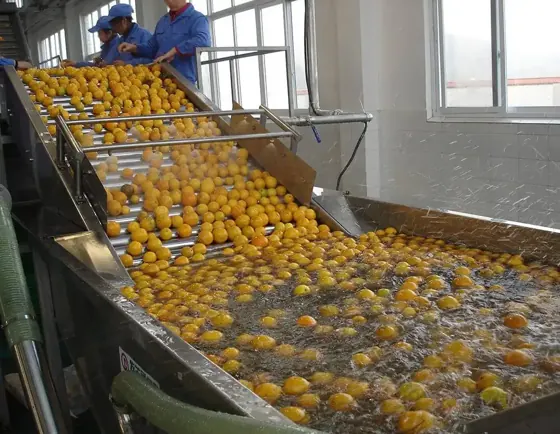
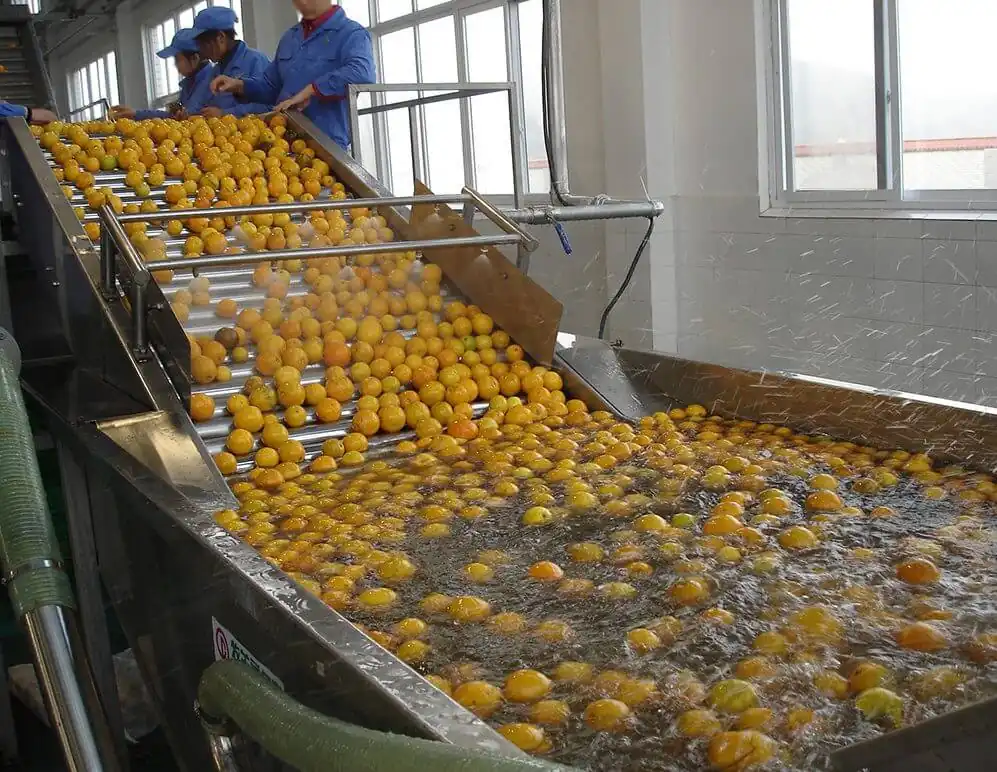
Brush washing scrubs firm fruit; surfing-water washing suits fruit that bruises. The wrong choice damages the crop at the first stage.
Intake to aseptic bag: washing, sorting, destoning, pulping, pressing, drying and filling.
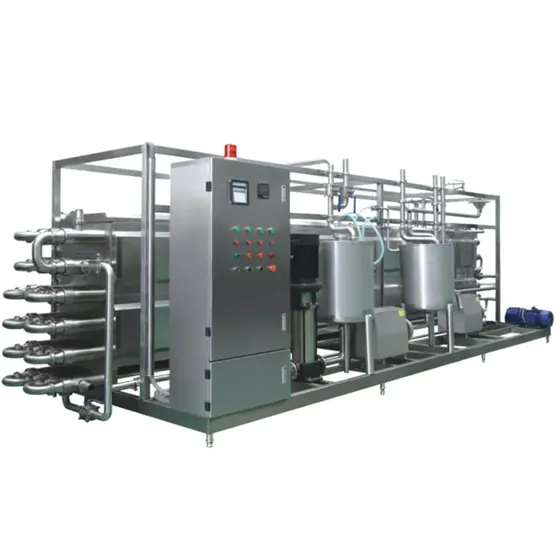
Continuous UHT for thin liquids at 137 degrees C and for viscous products at 95 to 121 degrees C.
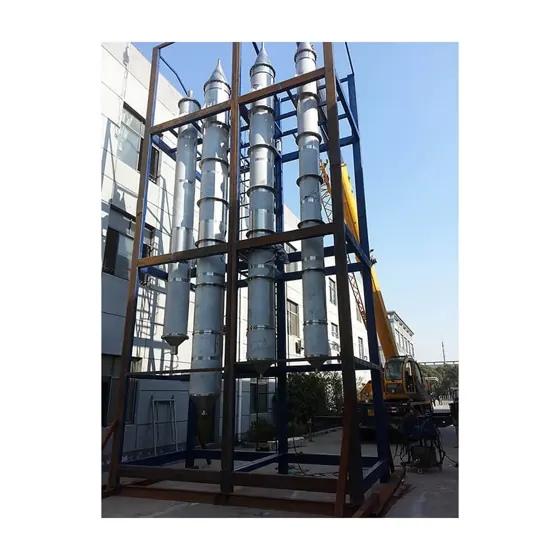
Removing water under vacuum before drying, at a fraction of the cost of drying it out.
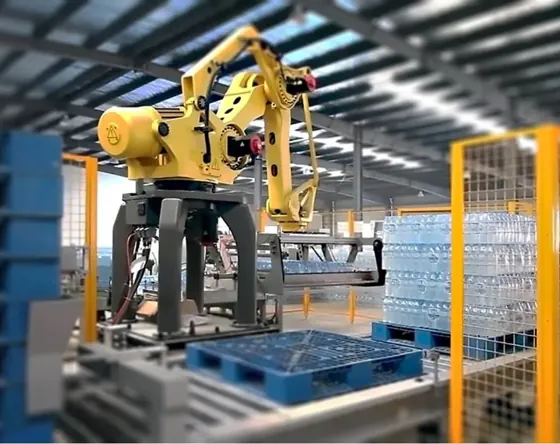
Labelling, sleeving, wrapping, cartoning, palletizing and depalletizing at line speed.
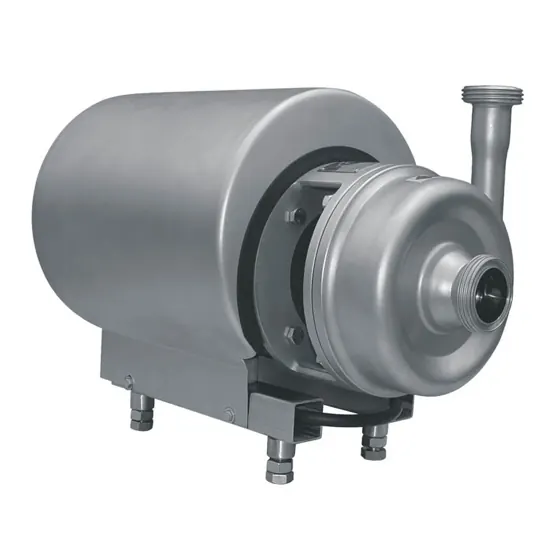
Product transfer and CIP return duties in SUS304 or SUS316L from 1000 to 30,000 L/H.
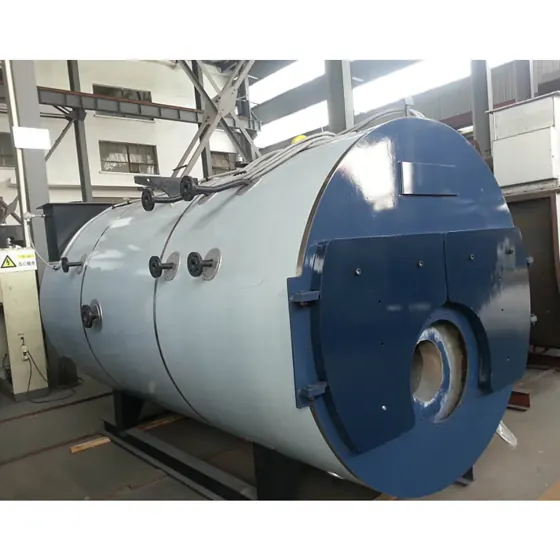
Boilers, cooling towers, air compressors and chillers sized to the process they serve.
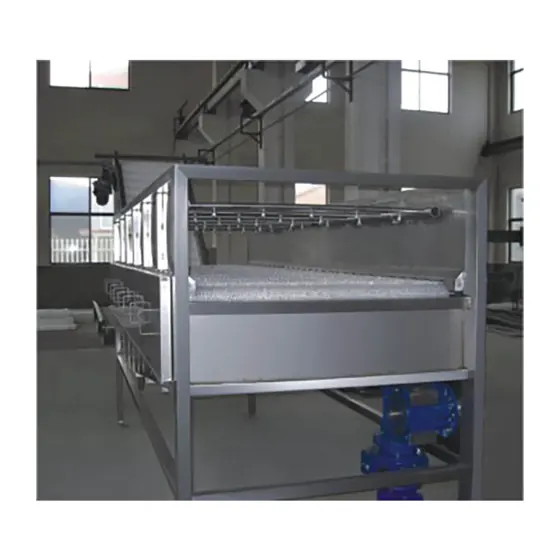
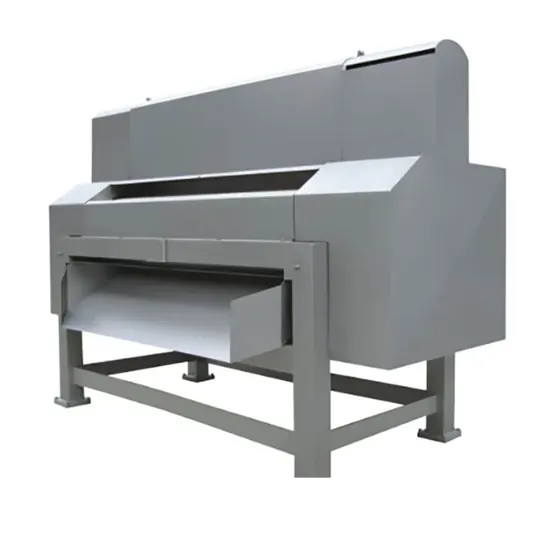
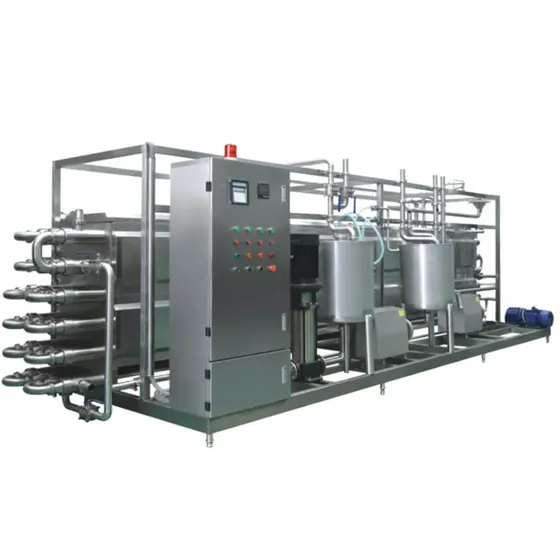
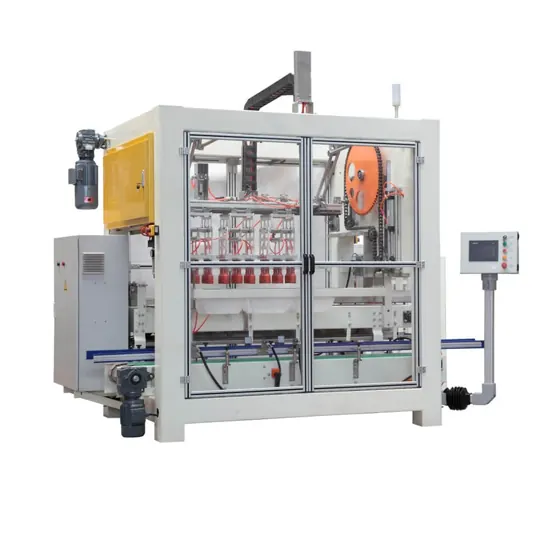
Tonnes per hour at the busiest week of the harvest is the figure that sizes every machine on the line.
Firmness decides the washer, stone content decides whether a destoner is needed, acidity decides the material grade.
Clear juice from a belt press, pulp from a pulper, concentrate from an evaporator, powder from a dryer. Each is a different line.
Aseptic bag for bulk, PET bottle for retail. This choice sets the sterilisation and filling equipment.
A line commissioned during the harvest loses fruit. Install and prove it in the off season.
Three thermal profiles, three different machines and three different distribution models. Which one your plant needs is decided by shelf life and cold chain, not by capacity.
A cleaning cycle that runs without flow cleans nothing and reports success. Conductivity monitoring, flow switches and return pump selection are what make CIP verifiable.
A line runs at the speed of its slowest machine, and that machine is rarely the filler. Every speed in this range is published, so the bottleneck can be found with arithmetic.
Against peak intake during the harvest, not the seasonal average. Fruit that cannot be processed the day it arrives loses value quickly.
Brush washing for firm fruit such as apples, surfing-water washing for softer fruit that bruises.
SUS316L on product contact parts, because both are acidic and campaigns run continuously for weeks.
Yes. Capacities start at 1 T/H on most machines and every model is sold from one unit.
Yes. Aseptic bag filling at 1 to 30 T/H, plus aseptic tanks and tube-in-tube sterilisation.
Yes. Send the fruit, the intake rate and the finished product form, and every stage is sized against them.
Tell us the process and the problem your team keeps hitting, and the answer names machines and configurations rather than categories.