
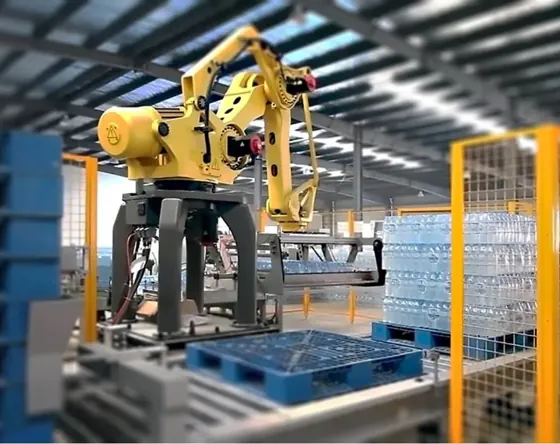
Packaging Machines
Labelling, sleeving, wrapping, cartoning, palletizing and depalletizing at line speed.
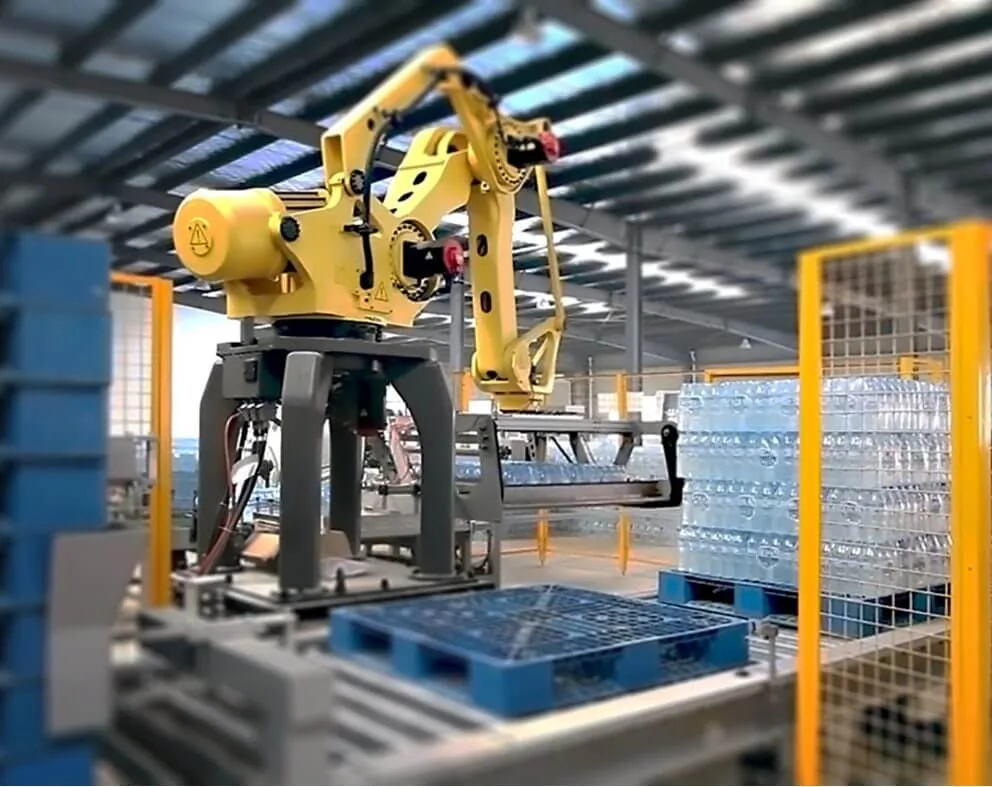
Depalletizing to palletizing, balanced against the filler in the middle.
A packaging line is a chain of machines that can only run as fast as its slowest link, and that link is rarely the filler. Depalletizing at 500 to 1200 CPM, conveying at 15,000 to 36,000 BPH, labelling at 15,000 to 30,000 BPH, sleeving at 100 to 600 per minute, wrapping at 25 to 150 per minute, cartoning at 25 to 60 per minute and palletizing at 20 to 80 cartons per minute. Every speed is published so the chain can be balanced on paper.
Depalletizing empty containers and palletizing finished packs are where labour cost and handling injuries concentrate, and both have direct machine replacements.
Six machines with published speed ranges means the bottleneck is identified before a purchase order is raised, not after commissioning.
Film wrapping costs a fraction of a printed carton. On a water or soft drink line that difference is the largest available packaging saving.
A shrink sleeve conforms to a contoured container where a flat label cannot, which is why sleeving exists at all.
A published qualified capping rate of 99.9% is the figure that determines how often the line stops.
Air conveying carries light PET bottles by the neck, which is what keeps them stable at high speed.
Labelling, sleeving, wrapping, cartoning, palletizing and depalletizing at line speed.
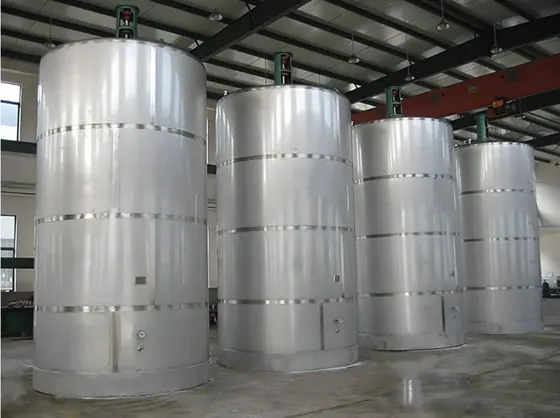
Tanks, separation, heat treatment and filling for every stage between the milking parlour and the pallet.
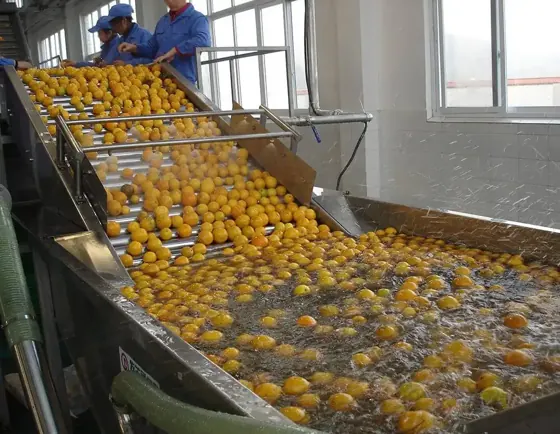
Intake to aseptic bag: washing, sorting, destoning, pulping, pressing, drying and filling.
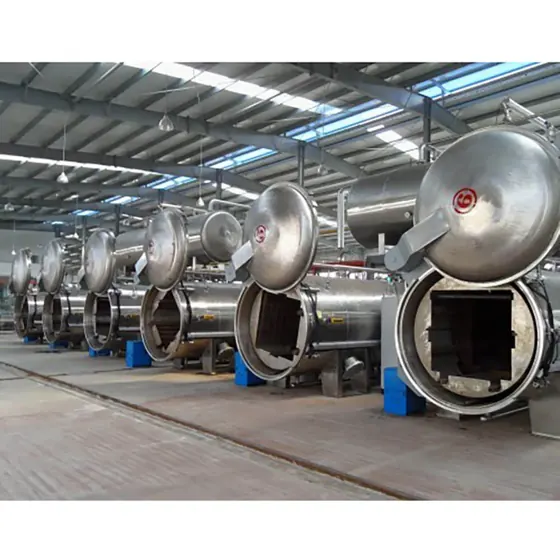
Sterilising and pasteurising product after it is already sealed in its pack.
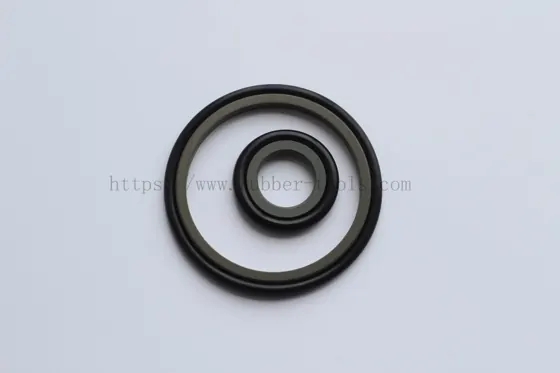
NBR HNBR EPDM FKM and FFKM, plus Y seals and the full AS568 size range.
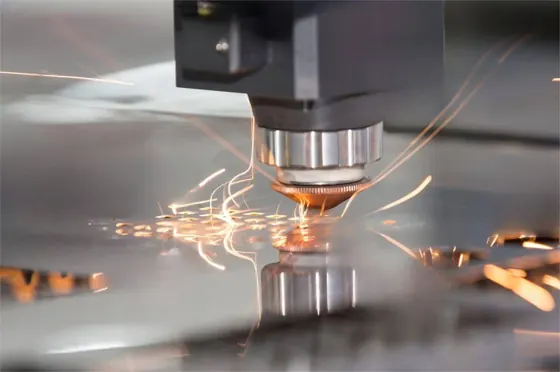
Cutting bending welding assembly and coating under one roof, from prototype to production.
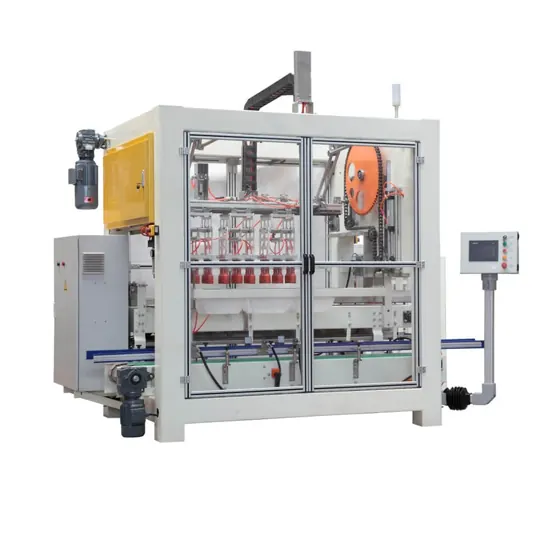
Not the nameplate rating. Everything else is sized against what the filler actually achieves across a shift.
Including promotional packs. Format count is what decides between a gantry and a robot palletizer.
Air conveying for empty PET, chain plate for filled containers, spiral where levels change.
Accumulation length between machines is what stops a thirty second fault emptying the whole line.
On a multi-format line, changeover time is where available capacity is won or lost.
Three thermal profiles, three different machines and three different distribution models. Which one your plant needs is decided by shelf life and cold chain, not by capacity.
Almost every seal failure is a material selection error rather than a dimensional one. The fluid and the temperature decide the elastomer, and the size is the easy part.
A cleaning cycle that runs without flow cleans nothing and reports success. Conductivity monitoring, flow switches and return pump selection are what make CIP verifiable.
Convert every machine's published speed into the same unit, packs per minute, and compare. The lowest figure is the line speed.
Gantry for high consistent throughput, vertical column where floor space is tight, robot where pack formats change frequently.
Film wrapping costs considerably less per pack. Use cartons where the printed surface serves a marketing purpose or the pack needs the protection.
Yes. Working speed on each machine is built to your requirement within its published range.
PLC full-auto program control with frequency converter speed regulation on the palletizer and depalletizer.
Yes. Every machine has a minimum order of one unit, so a line can be upgraded progressively.
Tell us the process and the problem your team keeps hitting, and the answer names machines and configurations rather than categories.