
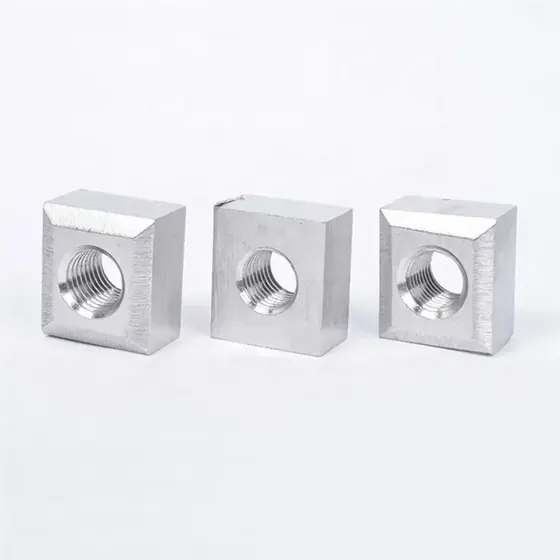
CNC Machining Parts
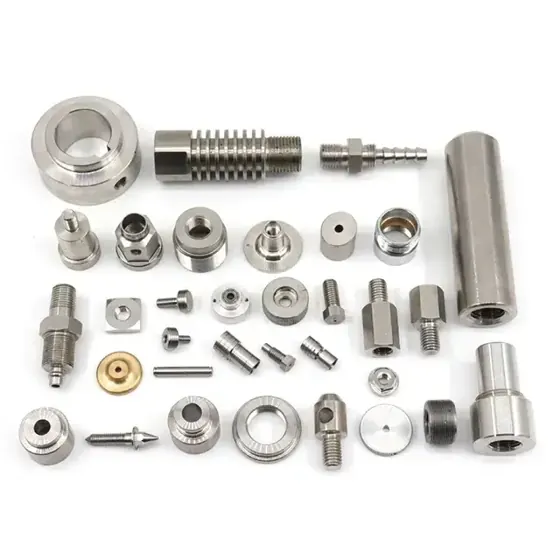
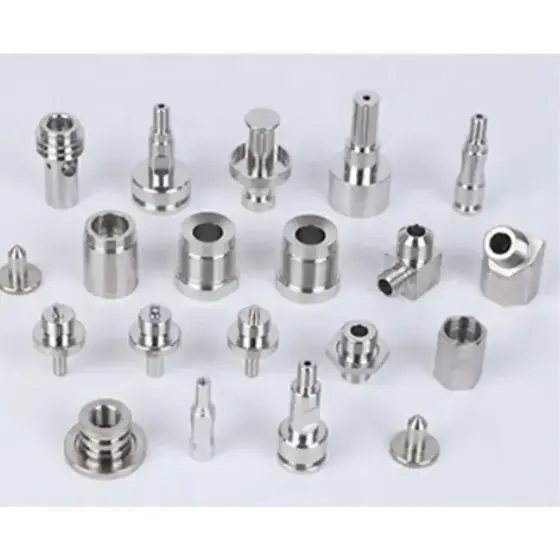
Wire EDM, grinding, drilling and mill component manufacture to your drawing.
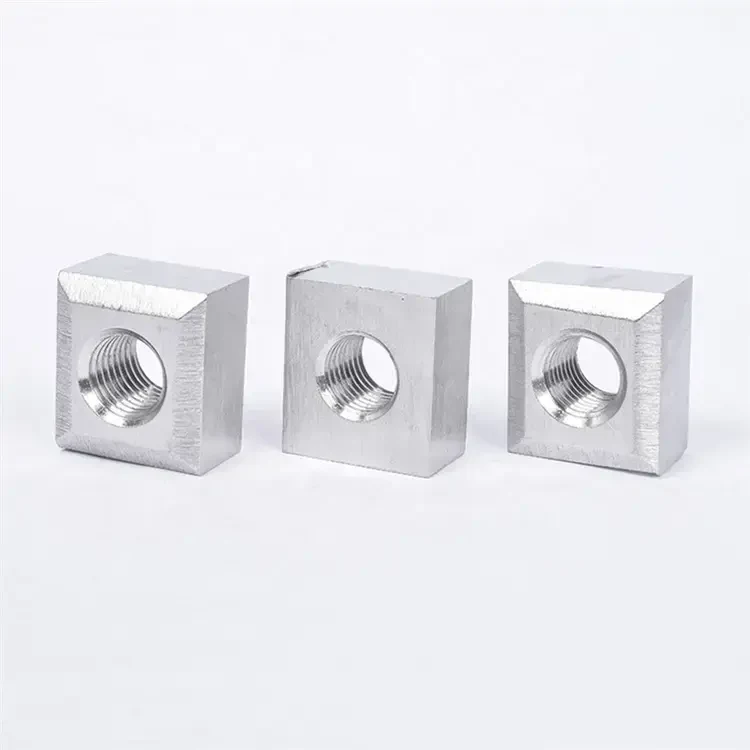
Custom parts, tooling and the cranes that move them around the shop.
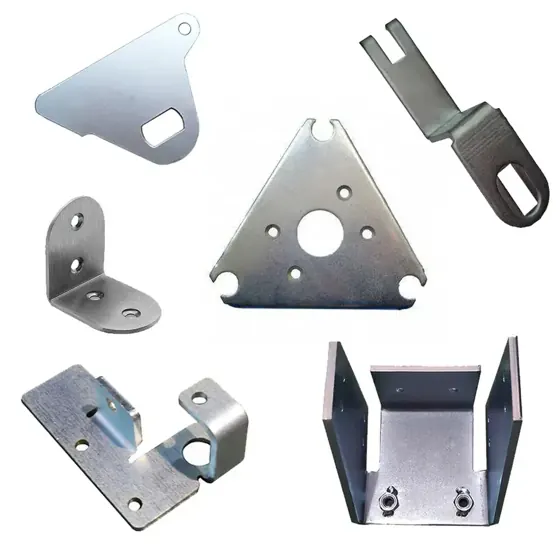
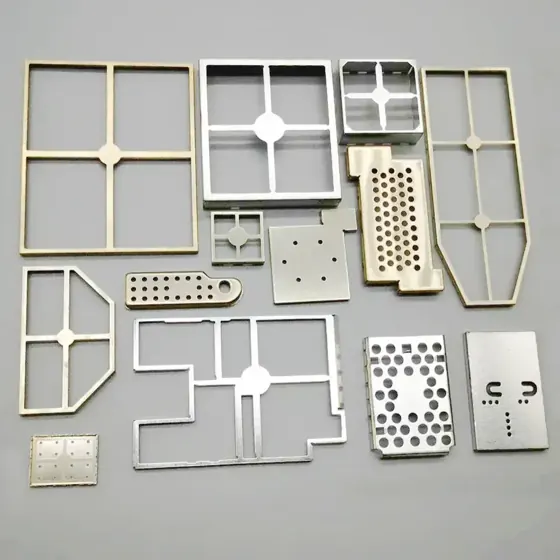
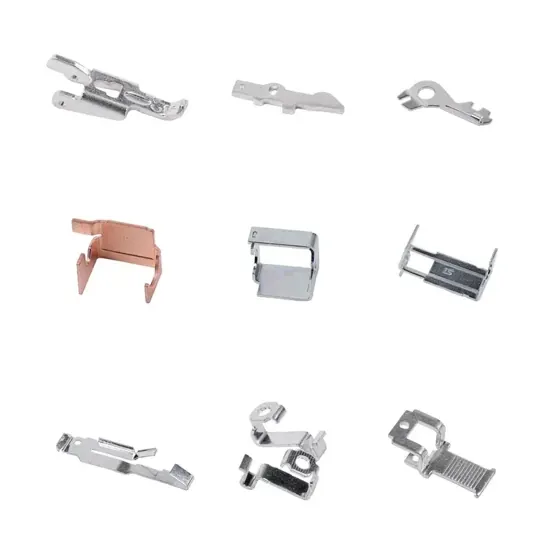
Machine shops buy two things from a supplier like this: parts they cannot make themselves and equipment that makes their own work faster. The range covers wire EDM, CNC milling, turning, grinding and drilling, sheet metal fabrication to 0.005 mm, stamping and deep drawing, custom fasteners, and the overhead and jib cranes that handle the work in progress.
Machining soft then hardening moves the part. Wire EDM and grinding both cut hardened material, so the finished geometry is the geometry that leaves the shop.
Mill components, spindle parts and wear items are made to drawing or reverse engineered from the worn sample.
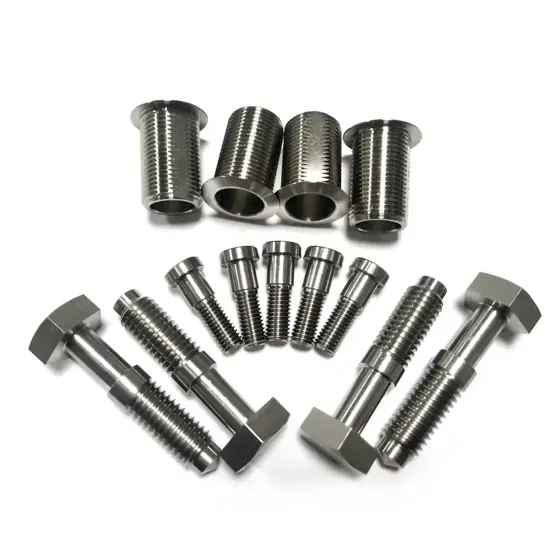
Machining the fastener instead is almost always the cheaper change, and needs no forming tooling at these quantities.
Cutting, bending, welding and coating in one shop makes the finished assembly one party's responsibility.
A jib crane at the station that lifts most often usually pays back faster than any other handling investment in the building.
The question is whether the hook pulls as well as lifts. Answering it correctly at enquiry saves more than any discount.
Wire EDM, grinding, drilling and mill component manufacture to your drawing.
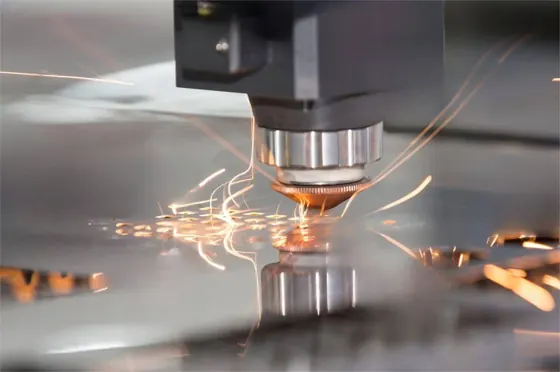
Cutting bending welding assembly and coating under one roof, from prototype to production.
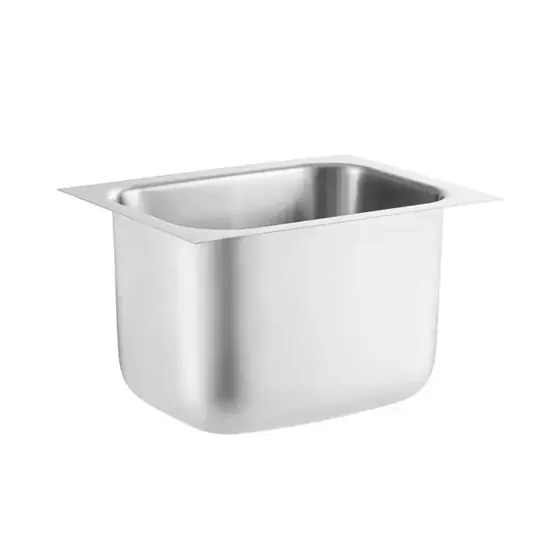
Punching, deep drawing, bending and perforating in aluminium brass and stainless steel.
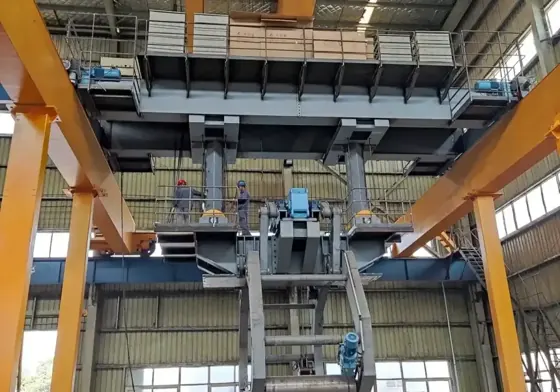
10 to 200 tons on double beam bridges spanning up to 49 metres, in light and winch builds.
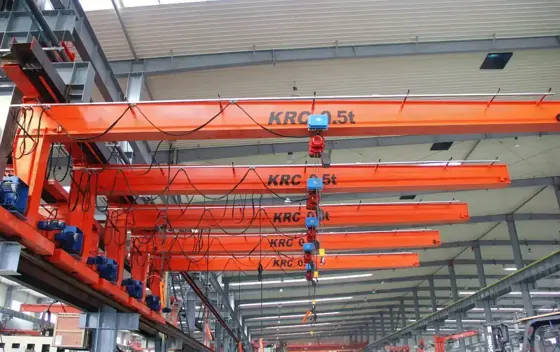
Local lifting from 250 kg to 20 tons, in wall, column, pillar, mast, portable and davit mountings.
Either is enough to start. Mark which dimensions are critical to fit and which are free.
Grade, temper and hardness after heat treatment, because they change the process plan and the price.
Tolerance drives cost faster than complexity does. Mark only the features that genuinely need it.
Check it in the actual assembly before releasing a production quantity.
The setup cost is already paid, so a second part is far cheaper than the first was.
Most crane enquiries name a tonnage. The two questions that actually decide the crane are whether the hook pulls as well as lifts, and how many lifts it makes per shift.
Six mounting types exist because the building constrains the crane more often than the load does. Wall, column, free-standing, articulating, mast and portable each solve a different constraint.
Yes. Most machining and tooling work is replacements and one-offs rather than production batches.
Yes. Send the worn part and dimensions are taken from it.
Down to 0.005 mm on machined features that require it, using 4th-axis CNC machines.
Yes, with critical dimensions recorded. Ask at order stage so it is prepared alongside the parts.
Yes. Machining, welding, stamping, sheet metal and coating are available in one supply chain.
Span, clear height, the heaviest routine lift, lifts per shift and whether loads are pulled horizontally.
Tell us the process and the problem your team keeps hitting, and the answer names machines and configurations rather than categories.