
Retorts and Tunnel Sterilizers
Sterilising and pasteurising product after it is already sealed in its pack.
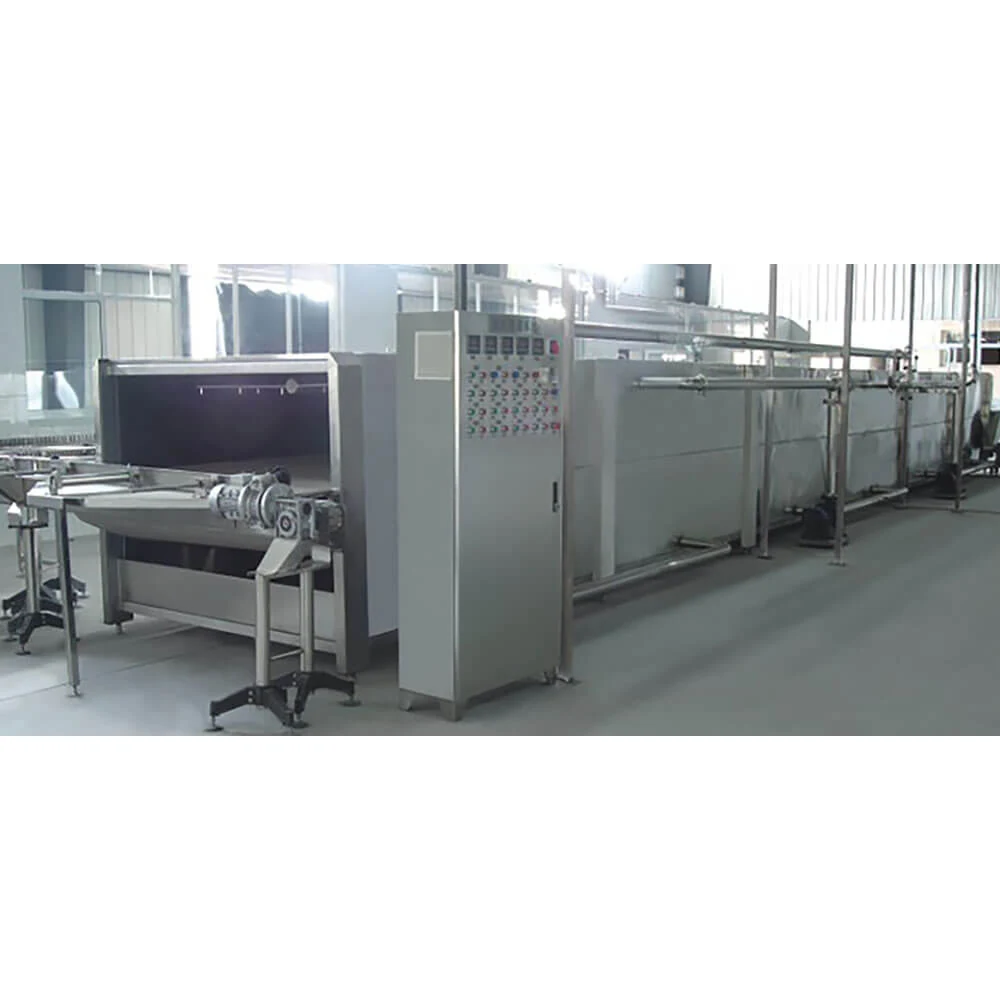
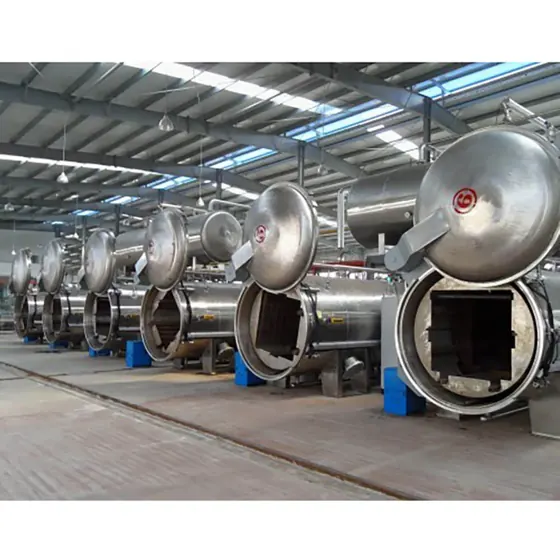
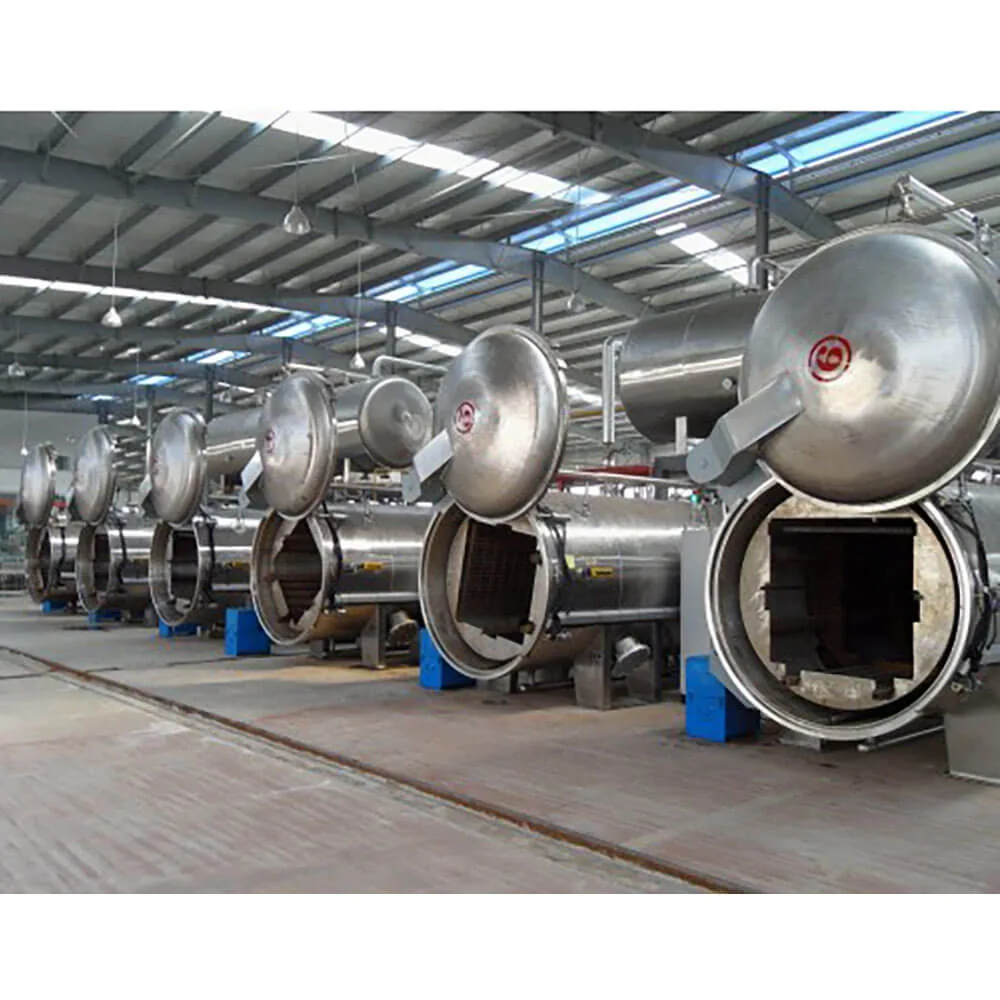
Two machines that treat product inside its container rather than before filling. The retort sterilises packaged dairy, juice and beverage products at 1350 to 15,000 litres per batch in water-bath or spraying configurations. The pasteurisation and cooling tunnel runs packaged product through recycled warm water, hot water, warm water spray and cold water at 3000 to 18,000 litres, with temperature and holding time set and controlled automatically.
The range
All 2 Products In This Group
The problem
What This Group Is Built To Solve
Treating product before filling leaves the container and the filling operation as an open contamination route, which is why aseptic filling is expensive. Treating it after sealing removes the problem entirely, at the cost of putting the pack through a thermal cycle. Where the pack can take it, this is the cheaper and more robust answer.
Who buys these
Who This Range Is For
Packaged Food Producers
Retorting is what makes ambient-stable packaged product possible, and the temperature record is the evidence an auditor asks for.
Breweries and Juice Bottlers
Tunnel pasteurisation after filling is the standard route to shelf stability for beer and juice in glass or can.
Producers Filling in Glass
The tunnel's staged warm-then-cold water sequence exists specifically to prevent thermal shock breakage in glass containers.
Why these
What Makes This Range Different
Named Control Components
SIEMENS PLC and touch screen, Spirax Sarco steam valves, Burkert temperature control, Schneider electrics, Danfoss or Mitsubishi inverters. Spares come from ordinary industrial supply.
Water Recycled Between Tunnel Zones
Warm water recovered from the cooling zones pre-heats incoming product. That recirculation is where most of a tunnel's energy saving actually comes from.
Three Automation Levels on the Retort
Full-auto, semi-auto and manual, so capital cost matches the plant rather than forcing automation onto a small operation.
Zone Sequence Designed to the Product
The tunnel's working procedure is designed to your product and container, because a glass bottle and a PET bottle need different thermal ramps.
Application
Where These Products Are Used
- Secondary sterilisation of packaged dairy products
- Retorting ready meals and packaged food
- Tunnel pasteurisation of beer in glass or can
- Pasteurising packaged fruit juice
- Controlled cooling after heat treatment to avoid breakage
- Producing documented pasteurisation units per pack
Documentation
Downloads Covering This Group
Specification sheet PDFs already on file for products in this range.
Industries
Sectors That Specify This Group
Food Packaging Lines
Depalletizing to palletizing, balanced against the filler in the middle.
Brewing and Beverage
Fermentation, bright tank, pasteurisation and filling for beer water and soft drinks.
Dairy Processing
From the milking parlour to the sealed pack, with the cleaning system that keeps it legal.
FAQ
Retorts and Tunnel Sterilizers Questions
What capacities are available?
1350 L to 15,000 L on the retort and 3000 L to 18,000 L on the pasteurisation and cooling tunnel.
Which materials are used?
SUS304 or SUS316L on the retort and SUS304 on the tunnel.
Which retort type should we choose?
Water-bath type for glass and rigid containers, where even immersion heat transfer suits. Spraying type for pouches and trays, where it heats faster and uses less water.
Can we set our own process profile?
Yes. On the tunnel, temperature and holding time are set and automatically controlled, and the working procedure can be designed to your requirement.
What is the minimum order?
One unit on each, with 20 units per month production capacity.
Do we need pressure vessel registration?
A retort is a pressure vessel and will need registration and periodic inspection under your local regulations. Plan for it before installation.
Get A Quotation On Retorts and Tunnel Sterilizers
Send the capacity you need, the products it will handle and the destination, and we will confirm configuration, materials and a container plan.