
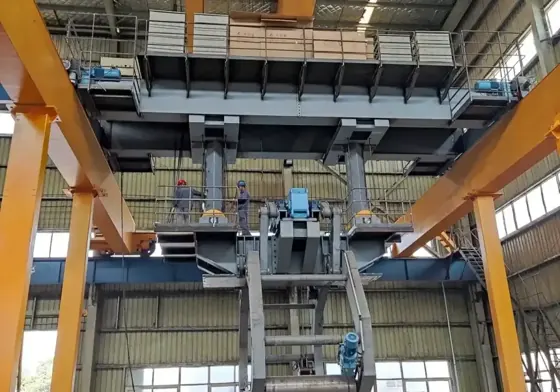
Overhead Cranes
10 to 200 tons on double beam bridges spanning up to 49 metres, in light and winch builds.
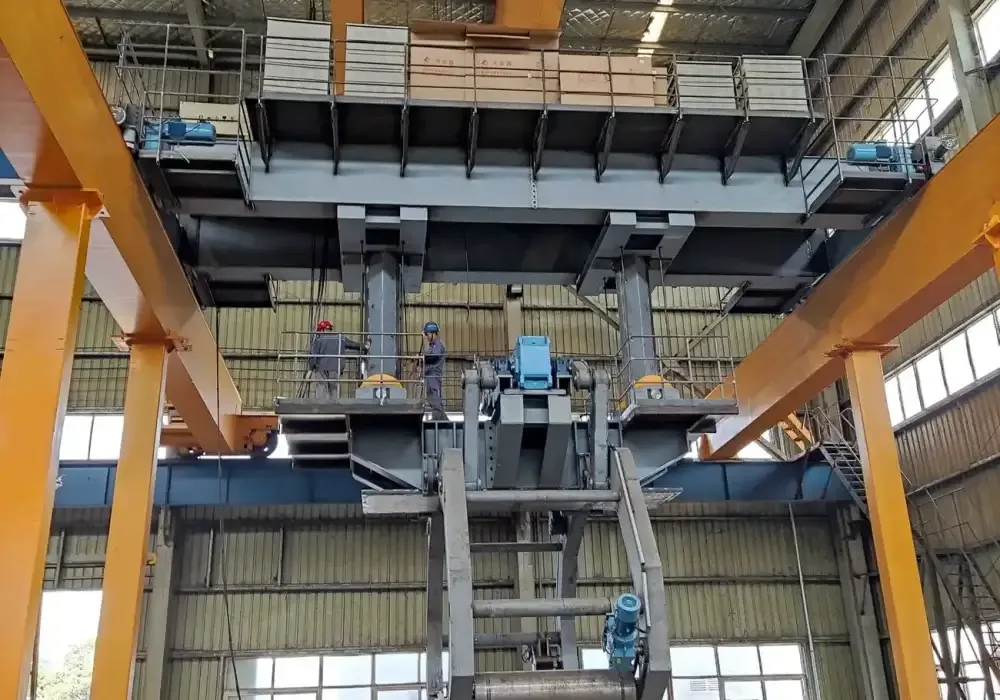
Lifting from 250 kg to 360 tons, indoors on a runway or outdoors on legs.
Heavy handling divides on one question: does the lift happen in a fixed place. If it does, an overhead crane on a runway is the cheapest throughput available. If it does not, a gantry or a mobile crane carries the same duty on its own structure. The range covers 250 kg jib cranes through to 360 ton winch bridges, plus wire rope hoists in four drive types.
Leased units and outdoor yards often cannot take a runway. Gantry, pillar and mast mountings carry the load without building structure.
Frequency converter drive ramps the hoist through its speed range so the hook settles on the mark instead of swinging.
Girders are cut anywhere inside 0 to 49 metres to your measured rail centres.
Travel speed, not lifting speed, usually limits cycle time in a long building. Long travel runs to 90 m/min.
Pneumatic and explosion-proof wire rope hoists exist for lifting points where an electric hoist is not permitted.
Stacking and storing by hand carries both injury risk and damage cost. Electric hoist cranes remove the lift from the operator.
10 to 200 tons on double beam bridges spanning up to 49 metres, in light and winch builds.
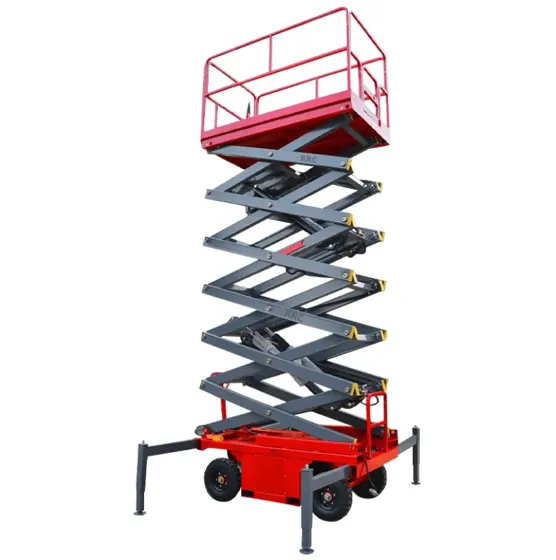
Lifting capacity up to 300 tons that travels between sites without disassembly.
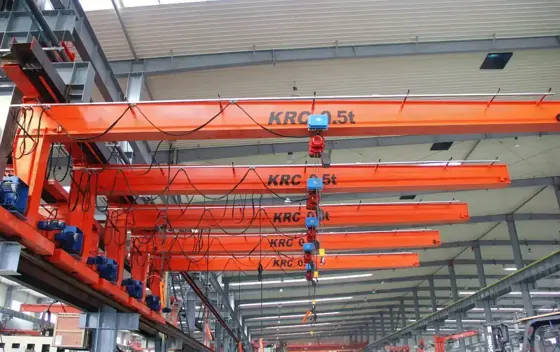
Local lifting from 250 kg to 20 tons, in wall, column, pillar, mast, portable and davit mountings.
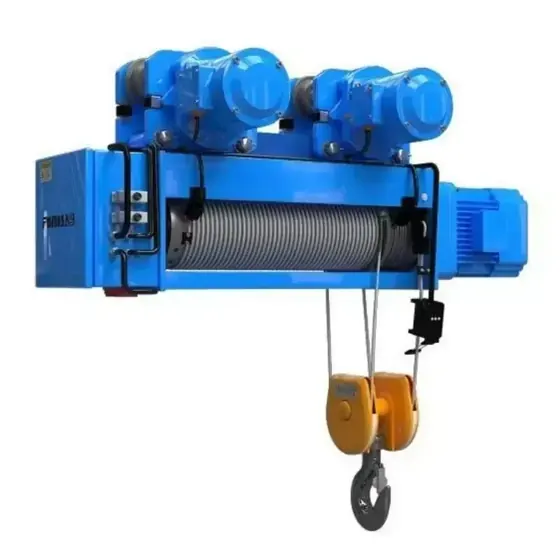
Electric to 50 tons, pneumatic to 25 tons, manual to 5 tons, plus explosion-proof builds.
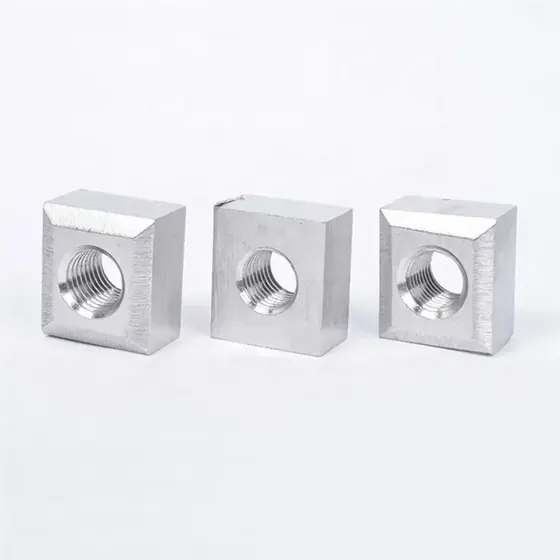
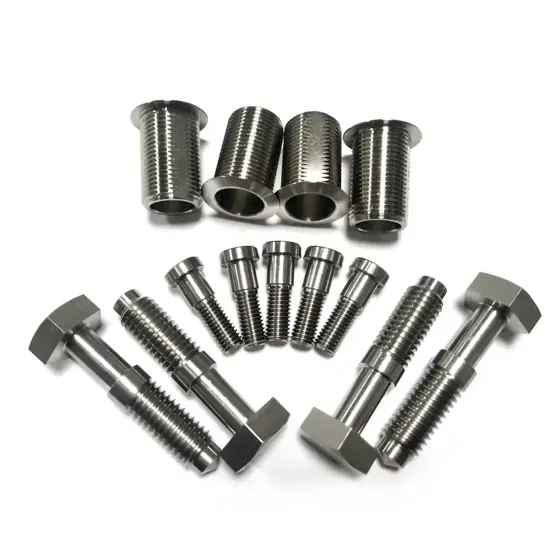
Wire EDM, grinding, drilling and mill component manufacture to your drawing.

Cutting bending welding assembly and coating under one roof, from prototype to production.
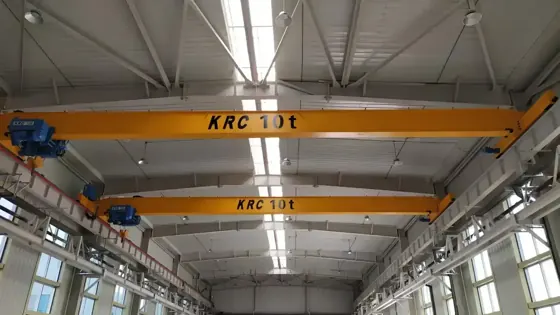
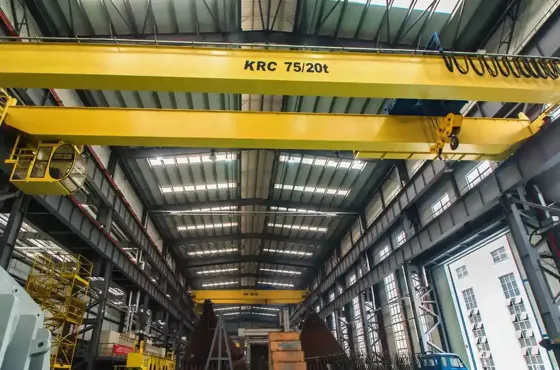
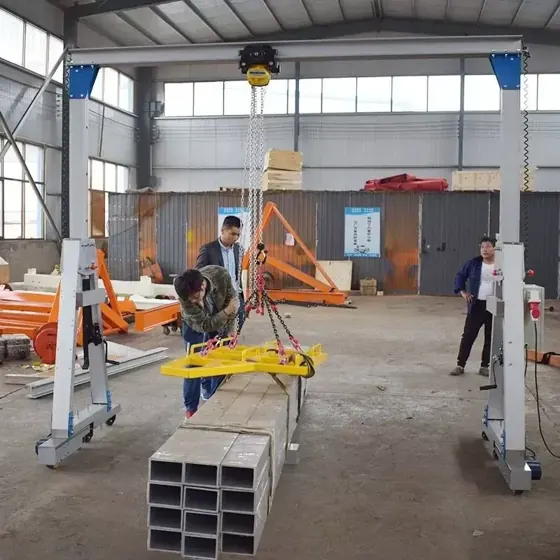
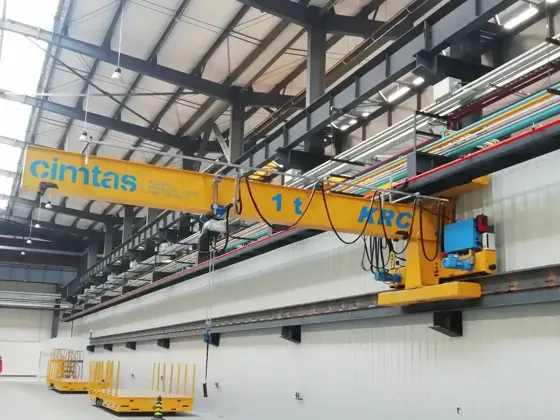
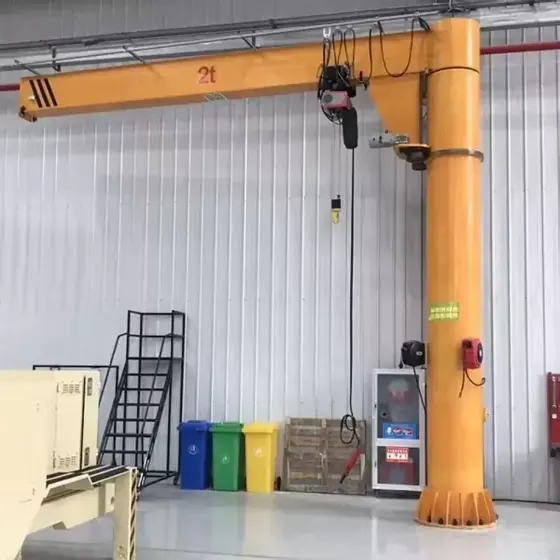
That single question selects overhead, gantry or mobile before anything else is discussed.
Rail-to-rail centres and the clear height under the roof steel. Both constrain the design.
Duty cycle separates a light build from a winch build, and it matters more than the tonnage.
Runway design load against crane weight plus payload, or ground bearing pressure for a gantry or mobile crane.
Load testing, operator training and handover documentation belong in the commissioning schedule, not after it.
Most crane enquiries name a tonnage. The two questions that actually decide the crane are whether the hook pulls as well as lifts, and how many lifts it makes per shift.
Six mounting types exist because the building constrains the crane more often than the load does. Wall, column, free-standing, articulating, mast and portable each solve a different constraint.
From 250 kg on wall jib cranes to 360 tons on winch overhead cranes, with gantry cranes to 320 tons and mobile cranes to 300 tons or more.
CE and ISO across the crane range, plus ISO 9001:2015, ISO 14001 and ISO 45001:2018 on the EOT cranes.
An under-slung EOT crane hangs from the existing structure, or a gantry crane carries the load on its own legs.
Wireless remote where the operator needs to see the load from the floor, cab control on long runways, handheld pendant for simple duty.
The light build family runs to 100 tons and the winch family to 360 tons, so higher duty is a design change within the same family.
Installation and commissioning are quoted once the runway drawings or yard layout are reviewed.
Tell us the process and the problem your team keeps hitting, and the answer names machines and configurations rather than categories.