
Specification and Selection
Send the process problem rather than the model number and get back a specification you can compare.
Most equipment enquiries arrive as a product name and a quantity. The useful ones describe a process: how many litres per hour, how viscous, in what container, cleaned with what, in a building of what height. Those details decide the machine far more reliably than a model number does, and they are what turns three quotations into a comparison rather than three different answers.
Why Buyers Come To Us For This
Buying process equipment by name hides the three decisions that actually determine whether it works: capacity against actual line flow rather than nameplate, material grade against product acidity and cleaning chemistry, and configuration against the container and the utilities already on site. A quotation that skips all three is not cheaper, it is simply less specific about what it excludes.
How It Works Step By Step
Describe the Process Not the Product
What goes in, what comes out, how much per hour and at what temperature. That alone usually identifies the right machine and rules out two others.
State the Utilities You Already Have
Steam, cooling water, compressed air, electrical supply and their capacities. These select boiler, chiller and compressor types before anything else is decided.
Fix the Material Grade Deliberately
SUS304 or SUS316L, chosen against product acidity, chloride levels in your water and the cleaning chemistry you actually use.
Size Against Peak Not Average
Seasonal intake, shift peaks and changeover losses. Equipment sized on averages becomes the bottleneck within a year.
Get the Specification in Writing
Thermal profile, speed range, materials, control components and certification, all on the quotation rather than agreed verbally at commissioning.
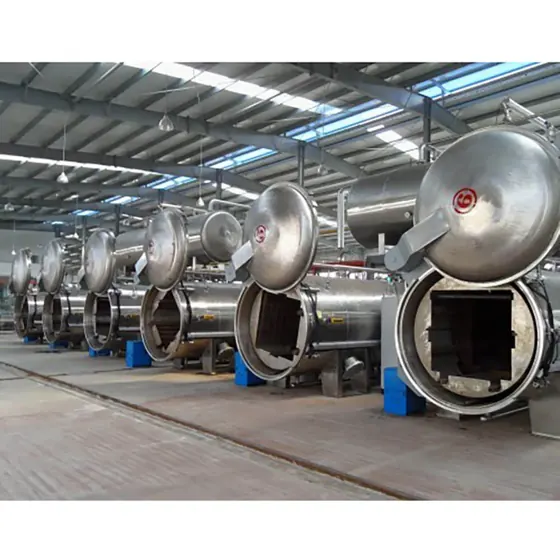
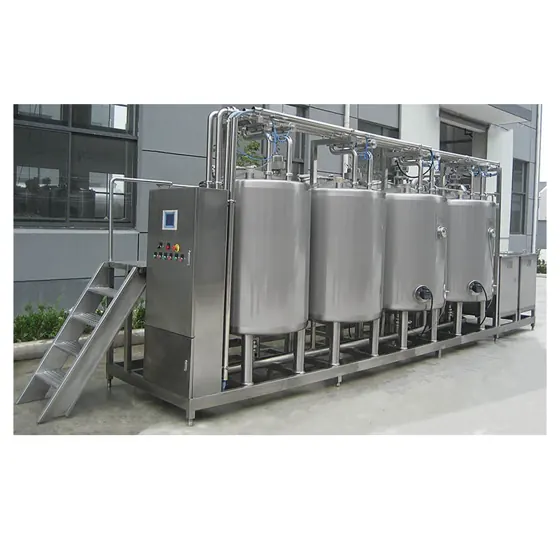
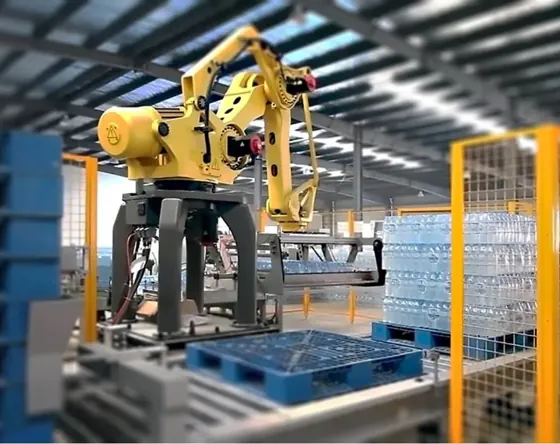
What This Looks Like On The Ground
Send Us These And The Answer Comes Back Complete
- Line flow rate in litres or tonnes per hour at peak
- Product type, viscosity and acidity
- Container format and finished pack specification
- Available utilities and their capacities
- Building constraints: span, clear height, floor loading
- Certification your market or insurer requires
Groups Most Often Involved
Dairy Processing Machinery
Tanks, separation, heat treatment and filling for every stage between the milking parlour and the pallet.
Fruit Processing Machines
Intake to aseptic bag: washing, sorting, destoning, pulping, pressing, drying and filling.
Packaging Machines
Labelling, sleeving, wrapping, cartoning, palletizing and depalletizing at line speed.
Overhead Cranes
10 to 200 tons on double beam bridges spanning up to 49 metres, in light and winch builds.
Specification and Selection Questions
Do you charge for specification work?
No. Working out which machine fits your process is part of quoting it properly.
What if we do not know our flow rate?
Tell us the daily volume and the number of production hours, and the flow rate is calculated from them.
Can you review an existing line?
Send a layout with the machines and their rated speeds, and the bottleneck is usually visible from the arithmetic alone.
How long does a quotation take?
It depends on how complete the enquiry is. A full specification usually comes back faster than an incomplete one, because there is nothing to go back and ask.
Can you recommend against buying something?
Yes, and frequently. Winch crane duty and FFKM seals are the two most commonly over-specified items in this range.
What is the fastest way to start?
Send your process details on WhatsApp. Specification questions are answered there before a formal quotation is prepared.
Start With Specification and Selection
Send the list above and we will come back with a complete answer rather than a request for more information.