
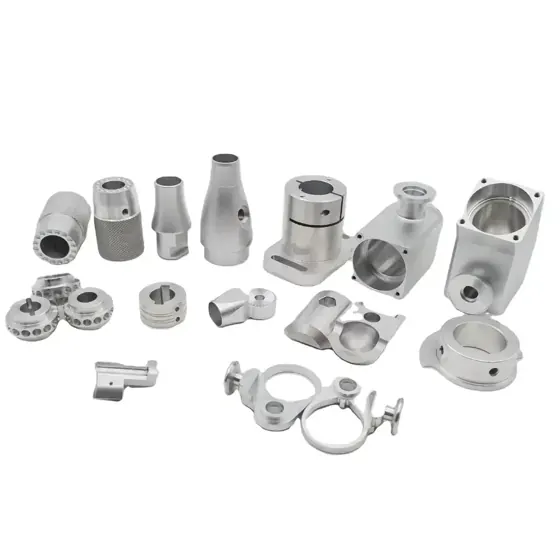
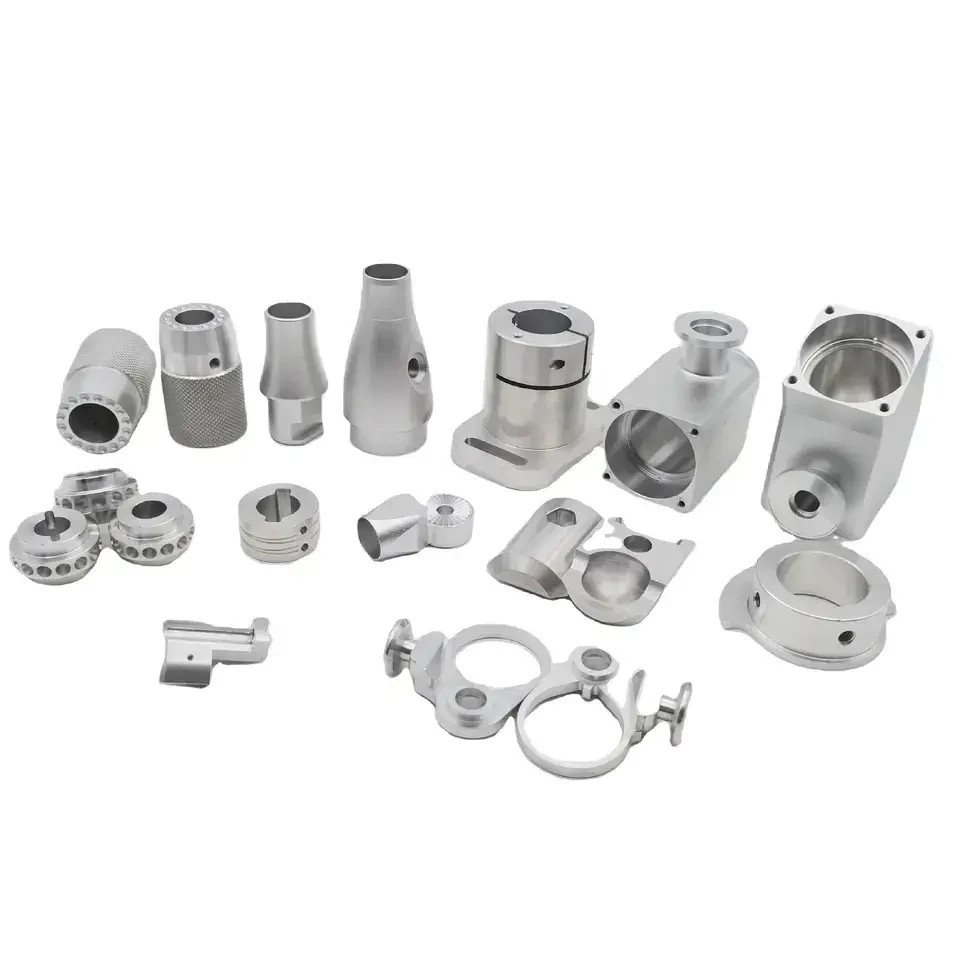
CNC Milled Components
Complex geometry made repeatable, with no tooling cost from the first part.
CNC milling removes material from a workpiece using computer-controlled machine tools, which is what makes complex geometry repeatable. It is the process for parts that cannot be turned: housings, manifolds, brackets and anything with features on more than one face. Parts are produced in aluminium and brass among other materials, with turning available where a component needs both.
The range
All 1 Products In This Group
The problem
What This Group Is Built To Solve
Between a sketch and a moulding tool there is a gap that stops most product development. You need a functional part in the real material before the tooling investment is justified, and you cannot get one from a process that requires tooling. Milling from solid fills that gap, and then keeps filling it for the low-volume parts that never justify a tool.
Who buys these
Who This Range Is For
Machine and Equipment Builders
Housings, brackets and fixtures are the day-to-day workload of a milling shop and are usually needed in small quantities.
Product Developers
Milling from solid is the fastest route to a functional part when a moulding tool is not yet justified.
Buyers With Complex Geometry
Computer control is what makes intricate parts repeatable rather than dependent on an individual machinist.
Why these
What Makes This Range Different
No Tooling Cost
The program is the tool. A functional part exists while a mould is still being discussed, and the first part costs the same as the fiftieth.
Turning in the Same Shop
Components needing a milled face and a turned bore stay with one supplier, which keeps the datum consistent between operations.
Precision and Repeatability
The reason milling is chosen over fabrication for functional parts: the second part matches the first because the program is the same.
Small Quantities Are Economic
CNC milling has become efficient enough that intricate parts are produced in small quantities without a tooling charge.
Application
Where These Products Are Used
- Housings and enclosures machined from solid
- Manifolds and valve bodies with internal passages
- Brackets and mounting plates with tight hole positions
- Jigs and fixtures for production
- Prototype parts before committing to a casting or mould
- Components needing both milling and turning
Documentation
Downloads Covering This Group
Specification sheet PDFs already on file for products in this range.
Industries
Sectors That Specify This Group
Metal Fabrication and Machine Shops
Custom parts, tooling and the cranes that move them around the shop.
Power and Transformer Manufacturing
Winding conductor and core steel specified by conductivity and loss, not by weight.
Food Packaging Lines
Depalletizing to palletizing, balanced against the filler in the middle.
FAQ
CNC Milled Components Questions
Which materials do you mill?
Aluminium and brass among others. State the grade on the drawing.
Can you also turn parts?
Yes. Turning is available so components needing both processes stay with one supplier.
Do you handle small quantities?
Yes. Milling needs no tooling, which is what makes prototype and small-batch work economic.
What do you need to quote?
A 3D model, the material, the quantity and which tolerances are critical.
How do we control cost?
Mark only the features that genuinely need a close tolerance, and design internal corners to suit a standard cutter radius.
Do you provide a first article?
Yes, on new parts. Check it in your assembly before releasing the batch.
Get A Quotation On CNC Milled Components
Send the capacity you need, the products it will handle and the destination, and we will confirm configuration, materials and a container plan.