
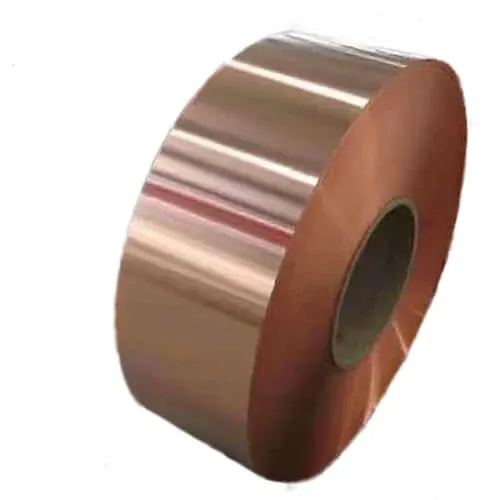
Copper Foil and Strip
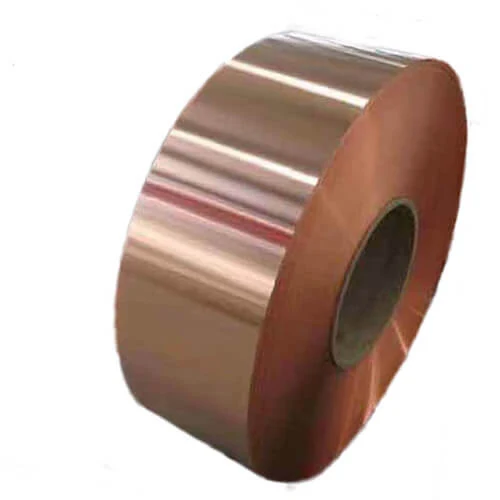
C1100 oxygen-free electrolytic copper at 99% IACS for transformer windings.
Winding conductor and core steel specified by conductivity and loss, not by weight.
A transformer's performance is decided by two material choices made once at design: the winding conductor and the core steel. Both then determine losses that run for the twenty or thirty year life of the unit. Copper foil at 99% IACS, aluminium foil at 63% IACS, enamelled magnet wire in copper or aluminium, and grain oriented and non-oriented silicon steel.
Buying conductor without a conductivity figure means the loss performance of the finished transformer is unknown until the winding is already in the tank.
Oxygen in copper embrittles the metal at winding joints. Oxygen-free electrolytic copper below 0.02% is what keeps them sound.
Core steel grade sets it, loaded or not. Over twenty years that compounds into a figure far larger than the material cost difference.
IEC, BIS and ASTM on the copper strip and four regional standards on the foil remove a qualification step per destination.
Foil winding wants strip as tall as the coil. Widths to 1350 mm in copper and 1500 mm in aluminium cover most coils in one piece.
Specifying magnet wire by diameter alone means the thermal class is whatever the supplier had, and the design temperature is then set by accident.
C1100 oxygen-free electrolytic copper at 99% IACS for transformer windings.
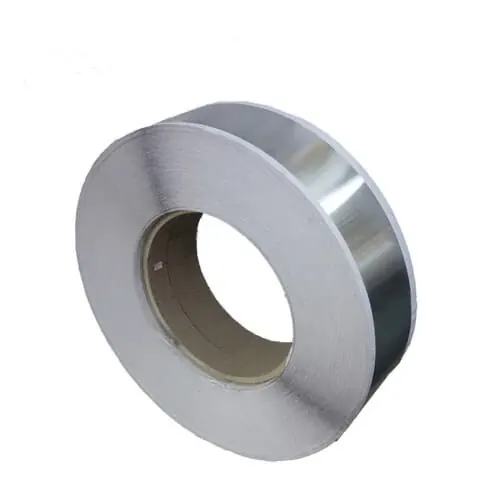
1050 1060 and 1070 alloys at 63% IACS for lighter transformer windings.
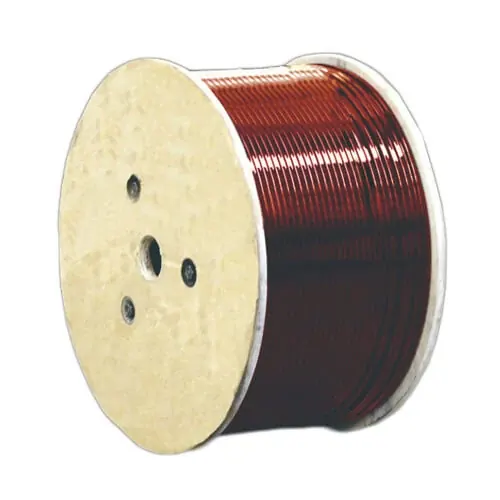
Magnet wire in copper or aluminium with enamel or polyurethane insulation.
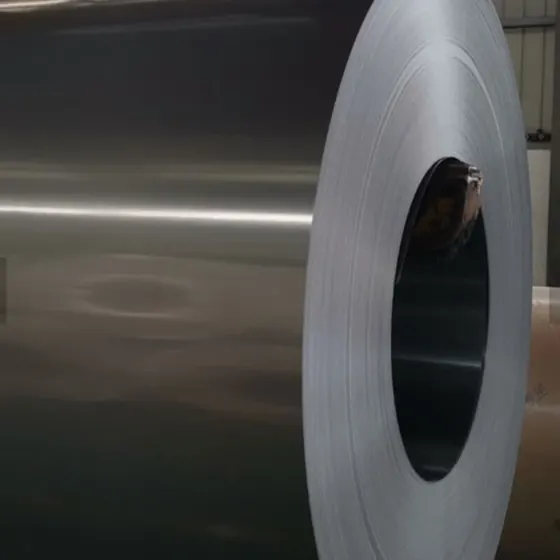
Cold rolled electrical steel under 2 mm in grain oriented and non-oriented grades.
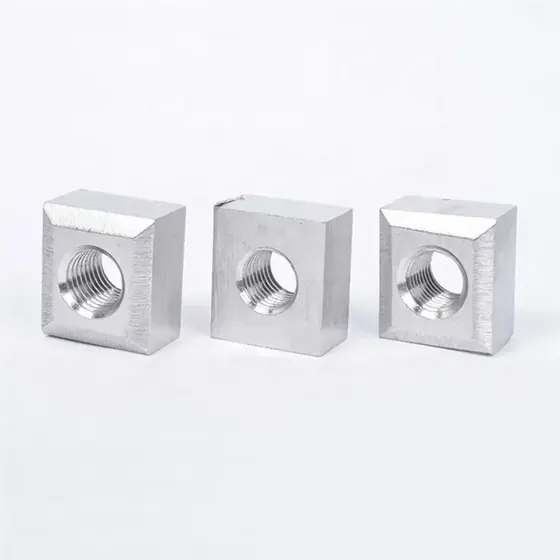
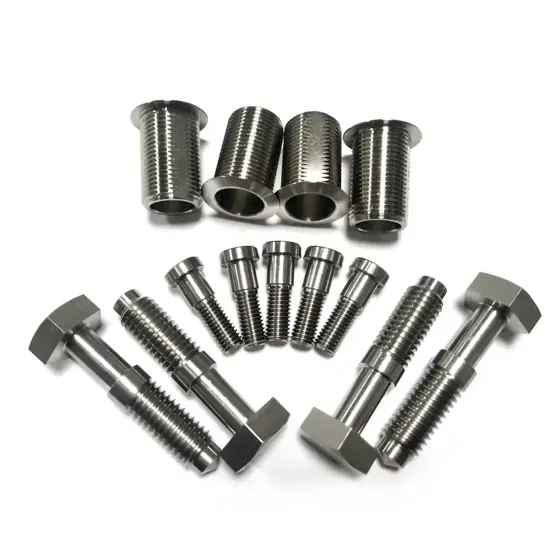
Wire EDM, grinding, drilling and mill component manufacture to your drawing.
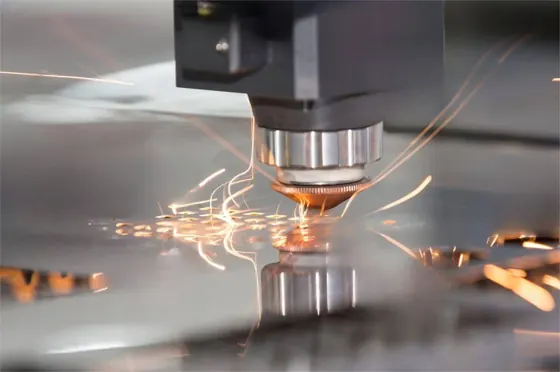
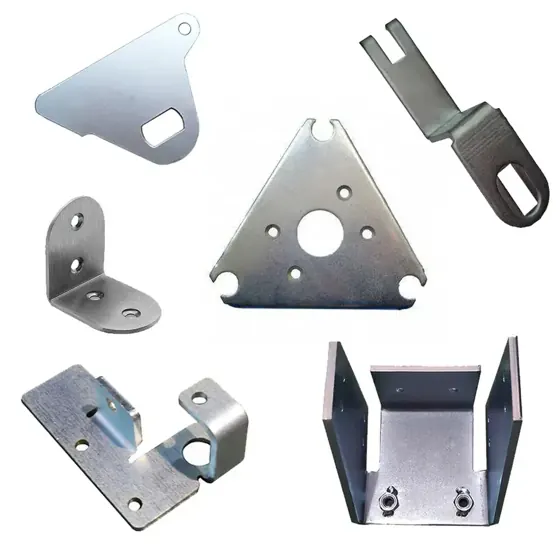
Cutting bending welding assembly and coating under one roof, from prototype to production.
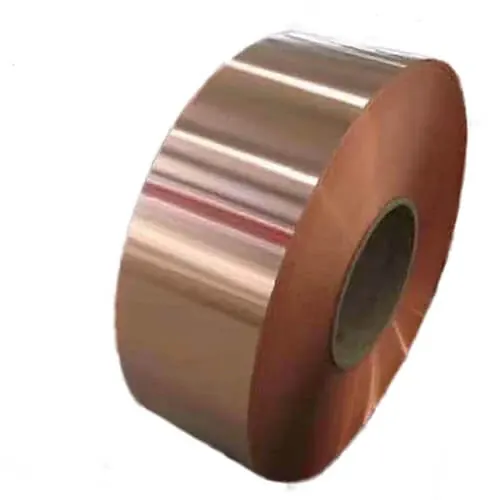
Copper at 99% IACS or aluminium at 63%. Published figures make it an arithmetic decision rather than a preference.
So the winding is made in one piece with no joint in the conductor.
Grain oriented for transformer cores, non-oriented for rotating machines, with thickness set against target core loss.
IEC, BIS, ASTM or a regional standard, on the purchase order rather than in conversation.
Oxygen content, purity and conductivity, collected with the delivery for the project quality file.
63% IACS against 99% IACS. With both figures published, the choice between aluminium and copper foil becomes arithmetic at design stage rather than a matter of preference.
Copper gives 99% IACS against aluminium's 63%, so a smaller conductor section for the same current, at higher weight and cost. Both are supplied with published figures.
Oxygen-free electrolytic copper with oxygen below 0.02% and purity of 99.95% or higher.
IEC, BIS and ASTM on the copper strip, plus American, European, German and Japanese standards on the copper foil.
Grain oriented for transformer cores where the flux path is fixed, non-oriented for motor stators and rotors.
Flat conductor 0.8 to 5.6 mm thick and 2.00 to 16.00 mm wide at a 1.4:1 ratio, in copper or aluminium.
Yes. Supply covers transformer manufacturing, assembly, maintenance and repairs.
Tell us the process and the problem your team keeps hitting, and the answer names machines and configurations rather than categories.