
Process Guide
Specifying a CIP System That Actually Cleans
A cleaning cycle that runs without flow cleans nothing and reports success. Conductivity monitoring, flow switches and return pump selection are what make CIP verifiable.
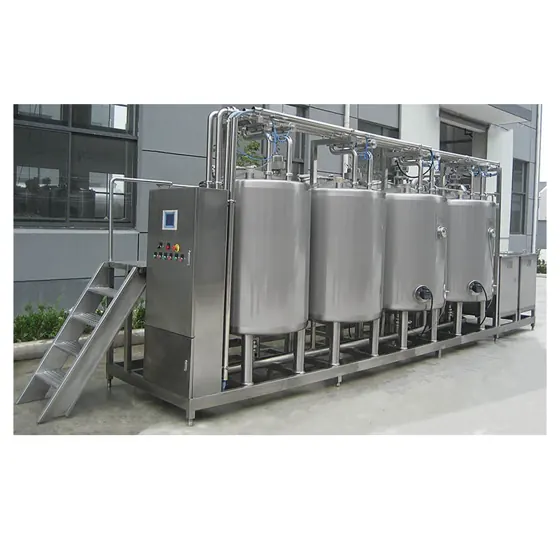
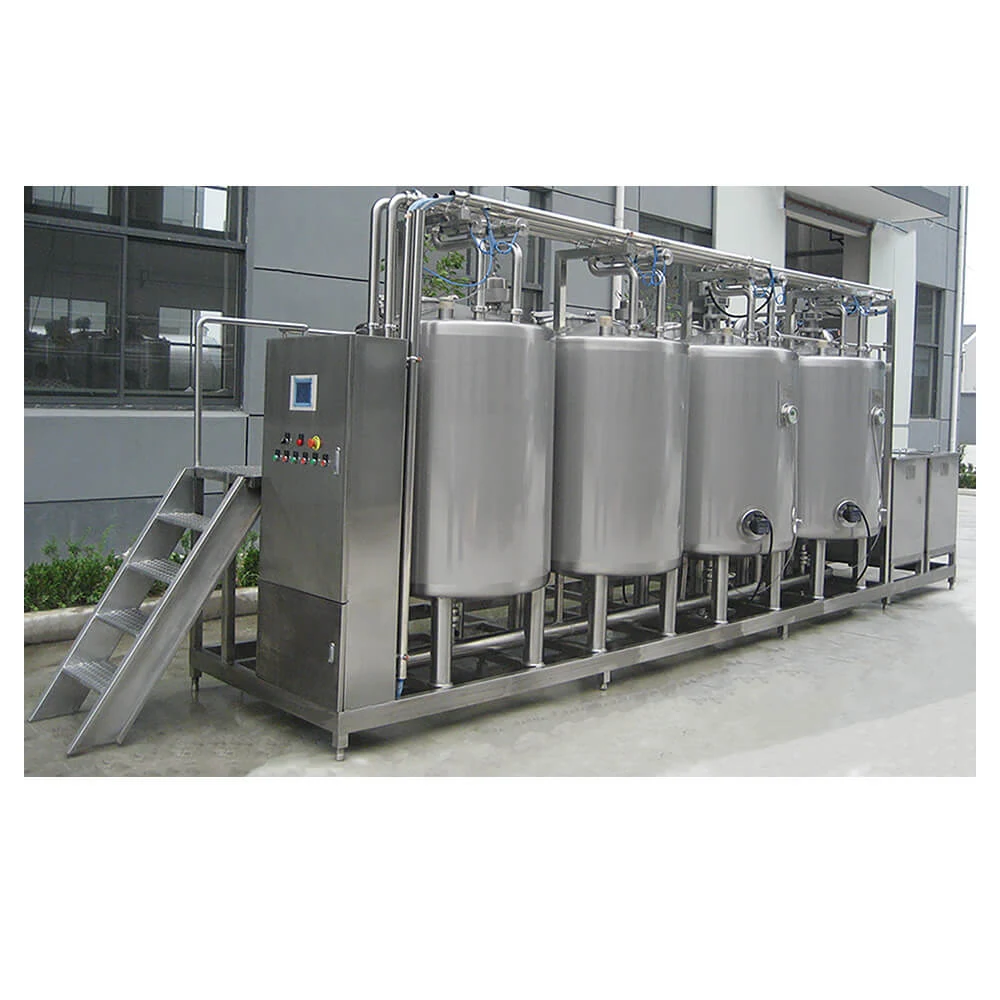
Cleaning in place is the process step that determines whether a food plant passes an audit, and it is the one most often specified as a tank of caustic and a pump. A CIP set that cannot demonstrate it circulated cleaning solution at temperature through every circuit has not cleaned anything that can be defended.
The Four-Stage Sequence
The standard sequence is acid cleaning, alkali cleaning, hot water cleaning and pure cold water cleaning, and the procedure can be designed against your products rather than accepted as a default. Different soils need different chemistry: protein and fat respond to caustic, mineral scale to acid, and running the wrong stage first wastes both.
Why a Conductivity Meter Is Not Optional
Recovery CIP works by returning used caustic and acid to their tanks for reuse instead of sending them to drain. That only works if the system can tell chemical from rinse water in the return line, which is what a conductivity meter does. Without one, recovery is guesswork and rinse water dilutes the chemical tanks until nothing works properly.
Flow Switches Prove the Circuit Ran
A CIP cycle can complete its timer with a closed valve somewhere and report success. Flow rate switches on the circuit confirm that solution actually circulated. This is the difference between a cleaning record and a cleaning claim.
The Return Pump Is a Different Pump
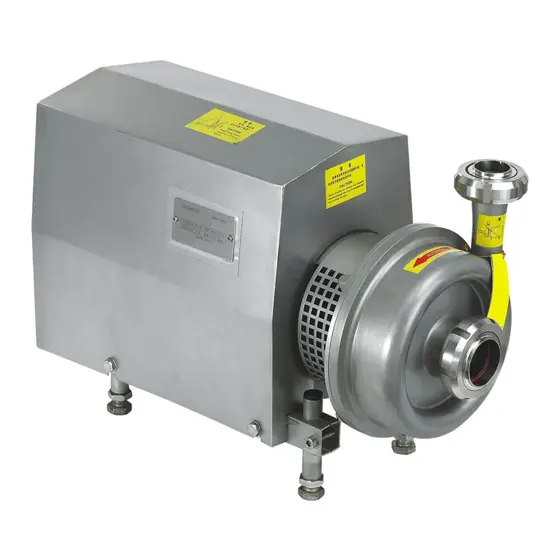
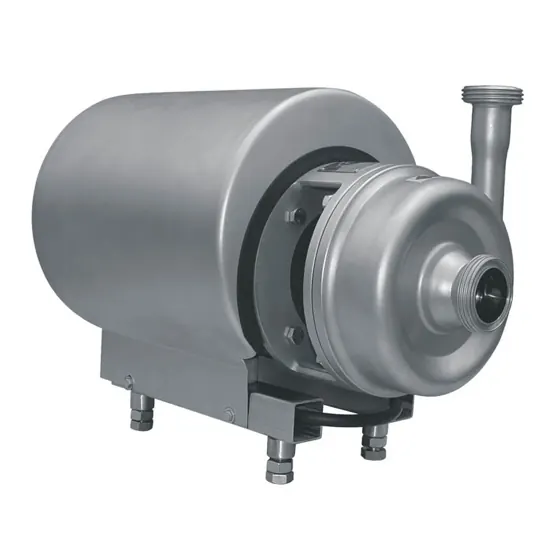
A CIP return line runs part-full by design and carries entrained air. A product pump selected for a flooded suction will cavitate on it and lose prime, which is why plants that fit a spare product pump on return duty find their cleaning cycles unreliable. Return pumps are specified separately at 5000 to 30,000 L/H, sized above the supply flow so the circuit does not flood.
Coverage Is Limited by Return Flow
Supply flow fills the circuit; return flow determines whether the solution actually moves through it at the velocity needed to clean. Map every circuit in the plant and its required flow before the CIP set is sized, because the largest circuit sets the capacity.
Automation Level
Full-auto, semi-auto and manual are all available. Full-auto SIEMENS PLC control runs the same sequence at the same temperatures and concentrations every time and records that it did, which is what an audit wants. Semi-auto and manual reduce capital cost on small plants with few circuits, at the cost of consistency.
What to Send
A list of every circuit, its volume and its required flow, the products that will be cleaned, your available steam and water supplies, and whether you intend to recover chemistry. Those five settle the specification.
FAQ
Questions On This Guide
What capacity CIP set do we need?
Sized against the largest circuit in the plant, not the total. Capacities run from 1000 to 30,000 L/H.
Can we recover cleaning chemistry?
Yes, with a conductivity meter to separate chemical from rinse water and a return pump sized for the duty.
Which instrumentation is fitted?
German JUMO conductivity meter, German Contrinex or IFM flow rate switches and a German temperature inspection and regulation system.
How do we prove the plant was cleaned?
Record each cycle through the PLC and keep the traces. A cycle with temperature, conductivity and flow recorded is defensible; a timer is not.
Related products
Products Referenced In This Guide
Product groups
Groups This Guide Covers
Dairy Processing Machinery
Tanks, separation, heat treatment and filling for every stage between the milking parlour and the pallet.
Sanitary Pumps
Product transfer and CIP return duties in SUS304 or SUS316L from 1000 to 30,000 L/H.
Fruit Processing Machines
Intake to aseptic bag: washing, sorting, destoning, pulping, pressing, drying and filling.
Turn This Into A Specification
Send us the application and we will translate it into a machine, a configuration, a material grade and a delivery plan.