
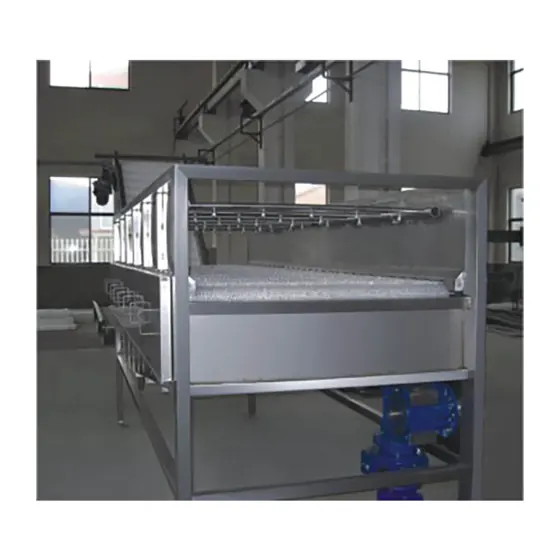
Fruit Processing Machines
Intake to aseptic bag: washing, sorting, destoning, pulping, pressing, drying and filling.
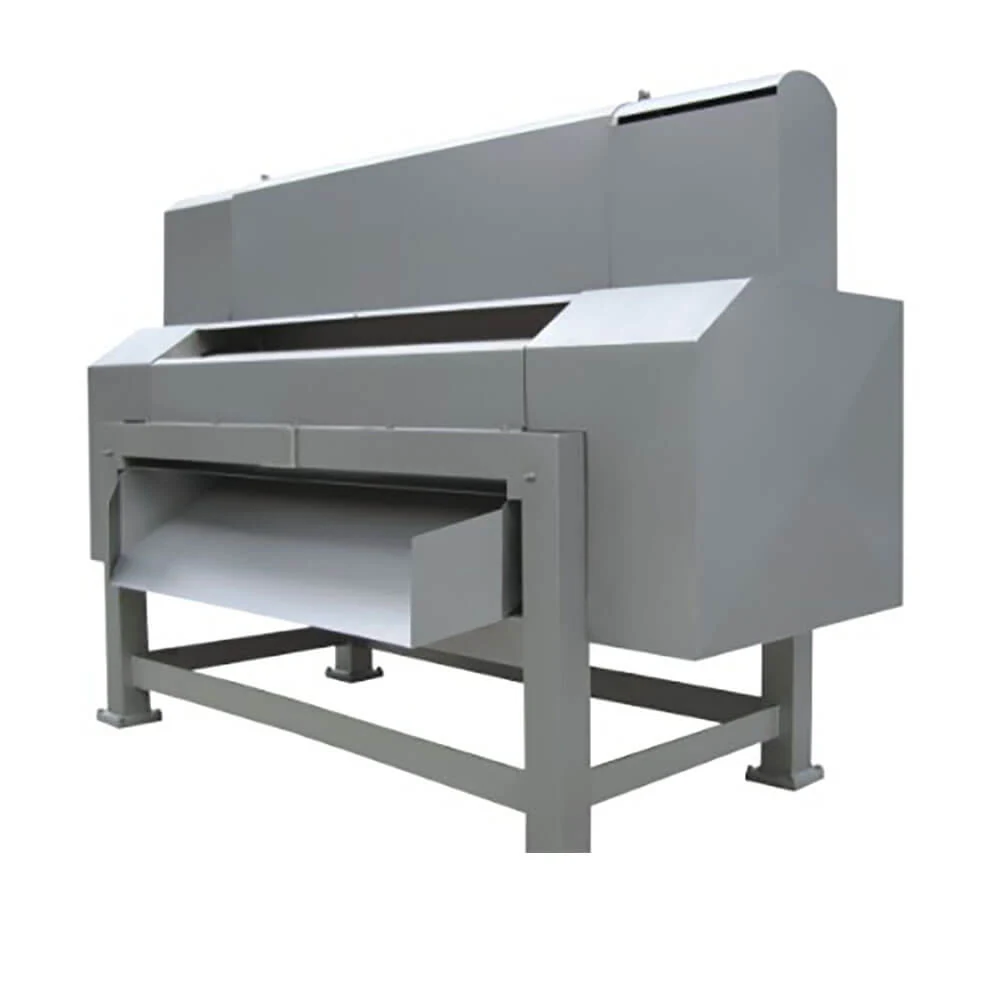
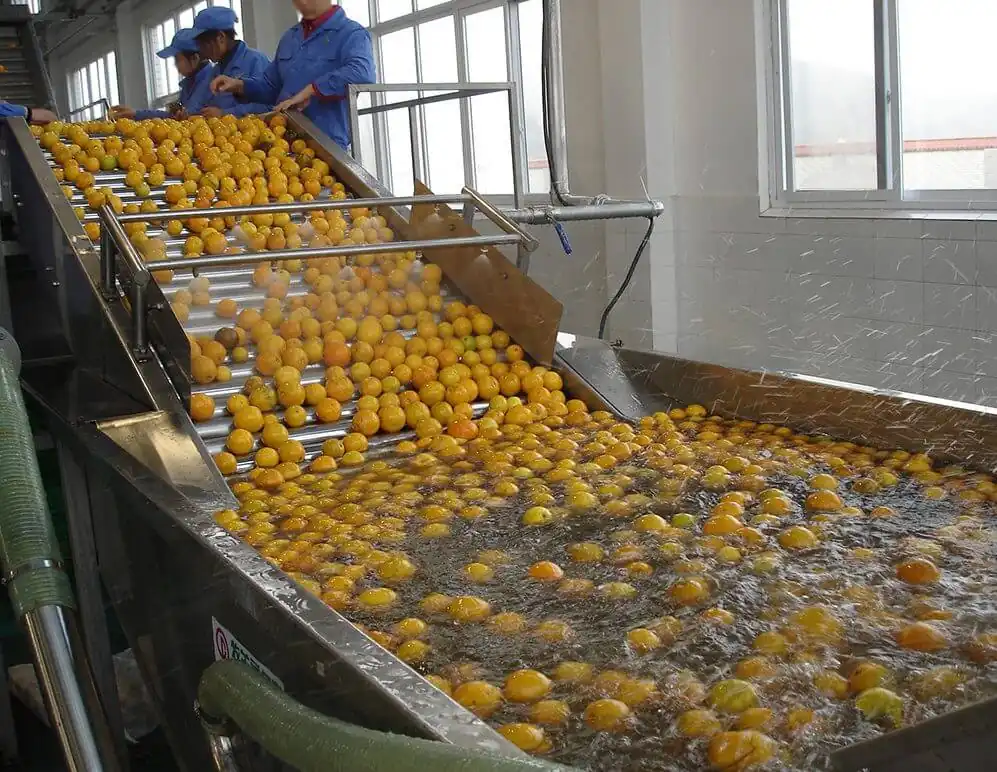
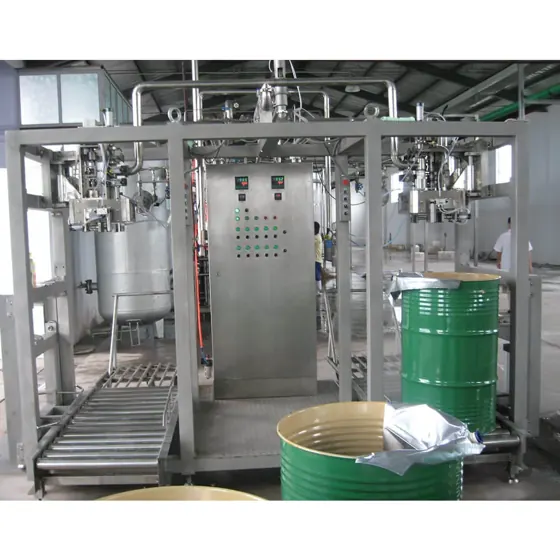
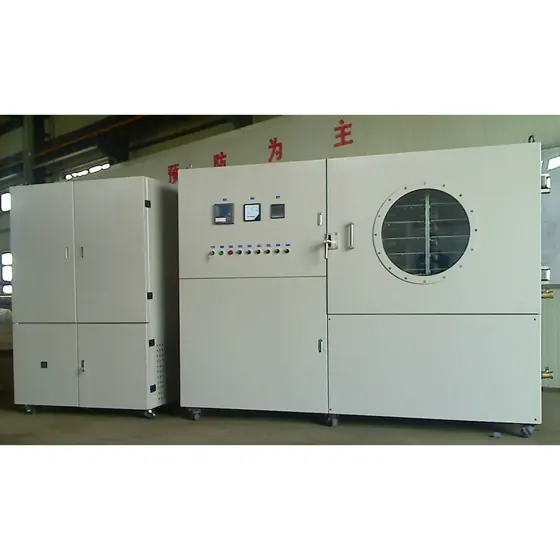
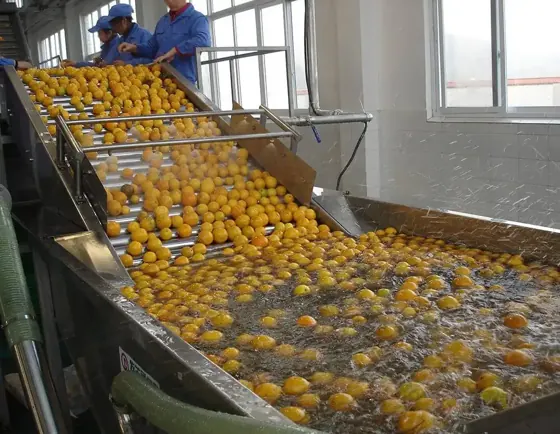
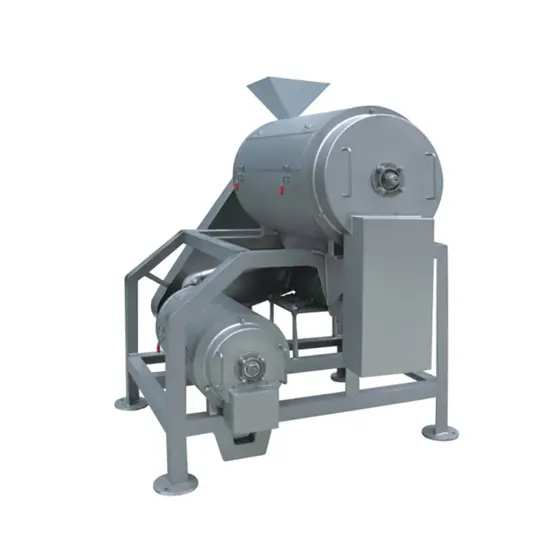
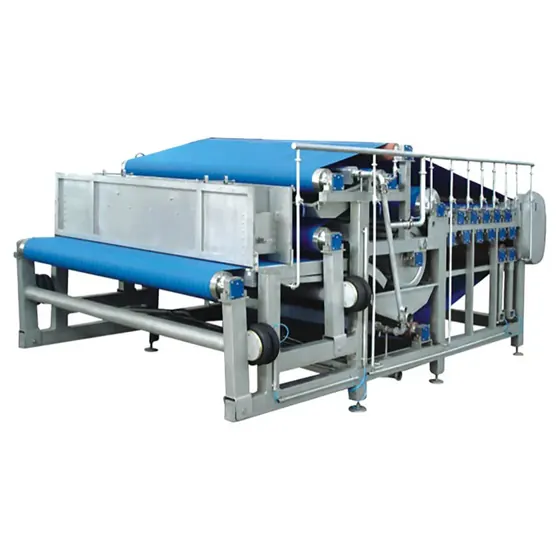
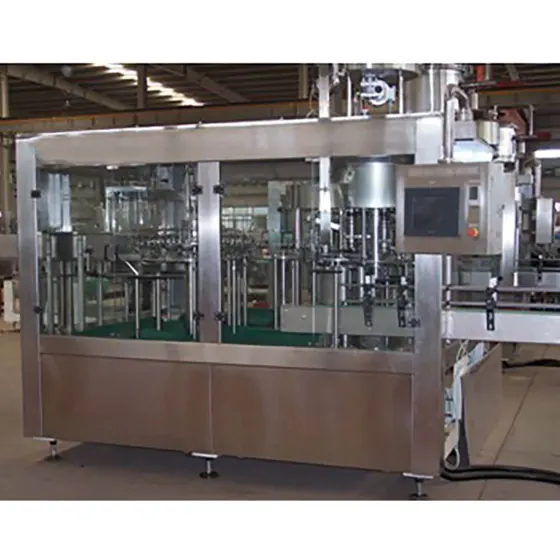
Eight machines covering a fruit line from the moment the crop arrives to the moment it leaves as a sealed aseptic bag. Washing at 1 to 30 T/H, sorting at 1 to 30 T/H, destoning at 1 to 15 T/H, pulping at 1 to 15 T/H, belt pressing at 5 to 15 T/H, freeze drying from 3 kg to 5000 kg, aseptic bag filling at 1 to 30 T/H and a PET bottle filler at 2000 to 48,000 BPH.
The range
All 8 Products In This Group
The problem
What This Group Is Built To Solve
Fruit processing is seasonal and unforgiving: the crop arrives in a short window, quality falls by the day, and any machine that cannot keep up with intake means fruit going to waste on the yard. Sizing each stage against actual peak intake rather than seasonal average is what determines how much of the harvest becomes product.
Who buys these
Who This Range Is For
Juice and Puree Producers
The line from washing through pulping to aseptic filling is the standard fruit juice production sequence, and every stage is available separately.
Tomato Processors
Washing, sorting and pulping at up to 30 T/H, then evaporation and tube-in-tube sterilisation for paste production.
Seasonal Processors
Capacity from 1 T/H means a small regional operation is served by the same range as a large plant, and freeze drying converts a short harvest into a year-round product.
Why these
What Makes This Range Different
Every Stage Sized in T/H
Capacities are stated in tonnes per hour rather than in machine sizes, which is what lets a whole line be balanced against a single intake figure.
Washing Type Chosen by the Fruit
Brush washing for firm fruit, surfing-water washing for fruit that bruises. Choosing the wrong one damages the crop before it is even processed.
SUS316L Available on Acidic Duty
Tomato and citrus are acidic and run in long campaigns. The destoner, pulper, press and aseptic filler are all available in 316L.
Ends in an Ambient-Stable Product
Aseptic bag filling is what lets puree and concentrate ship without a cold chain, which is the entire economics of the bulk fruit trade.
Application
Where These Products Are Used
- Building a mango puree line from intake to aseptic bag
- Apple and pear juice extraction by continuous belt press
- Tomato paste production with pulping and concentration
- Freeze drying fruit slices and juice powder
- PET bottle filling of finished juice
- Adding capacity at one stage to remove a seasonal bottleneck
Documentation
Downloads Covering This Group
Specification sheet PDFs already on file for products in this range.
- Fruit Beverage and Packaging · Fruit Processing Machines Specification Sheet18.5 KB
- Catalogue · Full Product Catalogue154.0 KB
- Fruit Beverage and Packaging · Fruit Processing Machines Specification Sheet18.5 KB
- Catalogue · Full Product Catalogue154.0 KB
- Fruit Beverage and Packaging · Fruit Processing Machines Specification Sheet18.5 KB
- Catalogue · Full Product Catalogue154.0 KB
- Fruit Beverage and Packaging · Fruit Processing Machines Specification Sheet18.5 KB
- Catalogue · Full Product Catalogue154.0 KB
- Fruit Beverage and Packaging · Fruit Processing Machines Specification Sheet18.5 KB
- Catalogue · Full Product Catalogue154.0 KB
- Fruit Beverage and Packaging · Fruit Processing Machines Specification Sheet18.5 KB
- Catalogue · Full Product Catalogue154.0 KB
Industries
Sectors That Specify This Group
Fruit and Juice Processing
Sizing a seasonal line so the harvest becomes product rather than waste.
Food Packaging Lines
Depalletizing to palletizing, balanced against the filler in the middle.
Dairy Processing
From the milking parlour to the sealed pack, with the cleaning system that keeps it legal.
Further reading
Guides Related To This Group
Specifying a CIP System That Actually Cleans
A cleaning cycle that runs without flow cleans nothing and reports success. Conductivity monitoring, flow switches and return pump selection are what make CIP verifiable.
Balancing a Packaging Line Before You Buy It
A line runs at the speed of its slowest machine, and that machine is rarely the filler. Every speed in this range is published, so the bottleneck can be found with arithmetic.
Sizing a Fruit Processing Line Against Peak Intake
The harvest arrives in a window and does not wait. Every stage of this range is quoted in tonnes per hour so the whole line can be balanced against one number.
FAQ
Fruit Processing Machines Questions
Can you supply a complete fruit processing line?
Yes, and any single stage of it. Each machine has a minimum order of one unit.
How should we size the line?
Against peak intake during the harvest, not the seasonal average. Fruit that cannot be processed on the day it arrives loses value quickly.
Which washing machine type do we need?
Brush washing for firm fruit such as apples, surfing-water washing for softer fruit that bruises.
Which material grade for tomato?
SUS316L on product contact parts, because tomato is acidic and campaigns run continuously for weeks.
Do you supply the sterilisation and filling stages too?
Yes. Tube-in-tube UHT sterilisation, aseptic tanks and aseptic bag filling are all in the range.
What are the lead times?
Monthly production capacities run from 10 to 50 units per machine. Send your full list and a build schedule is confirmed with the quotation.
Get A Quotation On Fruit Processing Machines
Send the capacity you need, the products it will handle and the destination, and we will confirm configuration, materials and a container plan.