
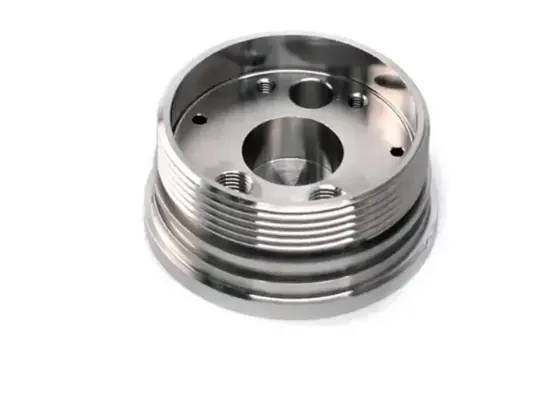
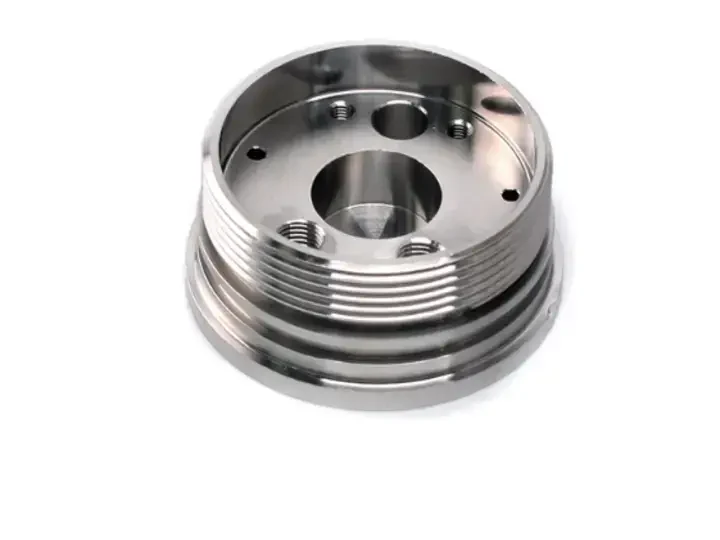
CNC Turned Components
Shafts bushings connectors and pins in aluminium brass and stainless steel.
CNC turned components produced on lathes in aluminium, brass and stainless steel, with milling and polishing available as secondary operations. Turning is the process for anything round: axles, shafts and bushings for automotive work, surgical instruments and medical devices, and connectors and pins for electronics.
The range
All 1 Products In This Group
The problem
What This Group Is Built To Solve
On a turned part the specification that matters is consistency, not capability. Any shop can make one bushing to size. The question is whether part five thousand is the same as part one, and whether the sealing diameter has the surface finish the drawing asked for rather than the finish the machine happened to leave.
Who buys these
Who This Range Is For
Automotive Component Buyers
Axles, shafts and bushings are named applications, and these are volume parts where turning cost per piece decides the programme.
Medical Device Manufacturers
Surgical instruments need both dimensional accuracy and surface finish, which is why polishing is part of the process here.
Electronics Manufacturers
Connectors and pins are small, intricate and made in quantity, which is exactly what CNC turning is efficient at.
Why these
What Makes This Range Different
Repeatability Across the Batch
CNC lathes hold the same diameter on part one and part five thousand. On a bushing or a connector pin that consistency is the specification.
Secondary Operations in the Same Shop
Milling of flats, cross holes and keyways, plus polishing, done alongside the turning rather than shipped to another vendor.
Finish That Suits the Application
Polishing is available where the surface matters, which it does on medical instruments and on any sealing diameter.
Prototype Through to Production
Single parts and small batches are accepted ahead of a production run, on the same machines.
Application
Where These Products Are Used
- Automotive axles, shafts and bushings
- Surgical instruments and medical device components
- Electronic connectors, pins and intricate components
- Hydraulic and pneumatic fittings
- Spindles and rotating shafts for machinery
- Prototype turned parts before a production run
Documentation
Downloads Covering This Group
Specification sheet PDFs already on file for products in this range.
Industries
Sectors That Specify This Group
Metal Fabrication and Machine Shops
Custom parts, tooling and the cranes that move them around the shop.
Power and Transformer Manufacturing
Winding conductor and core steel specified by conductivity and loss, not by weight.
Warehousing and Heavy Industry
Lifting from 250 kg to 360 tons, indoors on a runway or outdoors on legs.
FAQ
CNC Turned Components Questions
Which materials do you turn?
Aluminium, brass and stainless steel are standard, and other machinable metals can be quoted.
Can you add milled features?
Yes. Milling and polishing are available as secondary operations on turned parts.
Do you do prototypes?
Yes, single parts and small batches are accepted ahead of production.
How is quality controlled?
Parts are inspected against the drawing before despatch, with critical diameters recorded on request.
What should we specify on the drawing?
The datum assembly actually uses, the surface finish on sealing and bearing diameters, and the exact material grade rather than the family.
What do you need to quote?
The drawing, material, quantity and any finish requirement.
Get A Quotation On CNC Turned Components
Send the capacity you need, the products it will handle and the destination, and we will confirm configuration, materials and a container plan.