
Sanitary Pumps
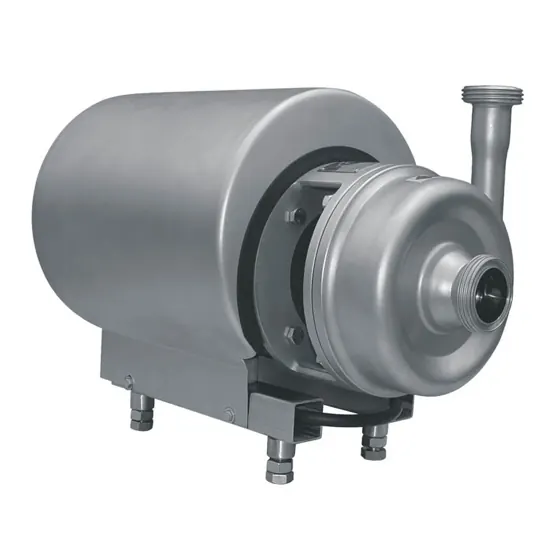
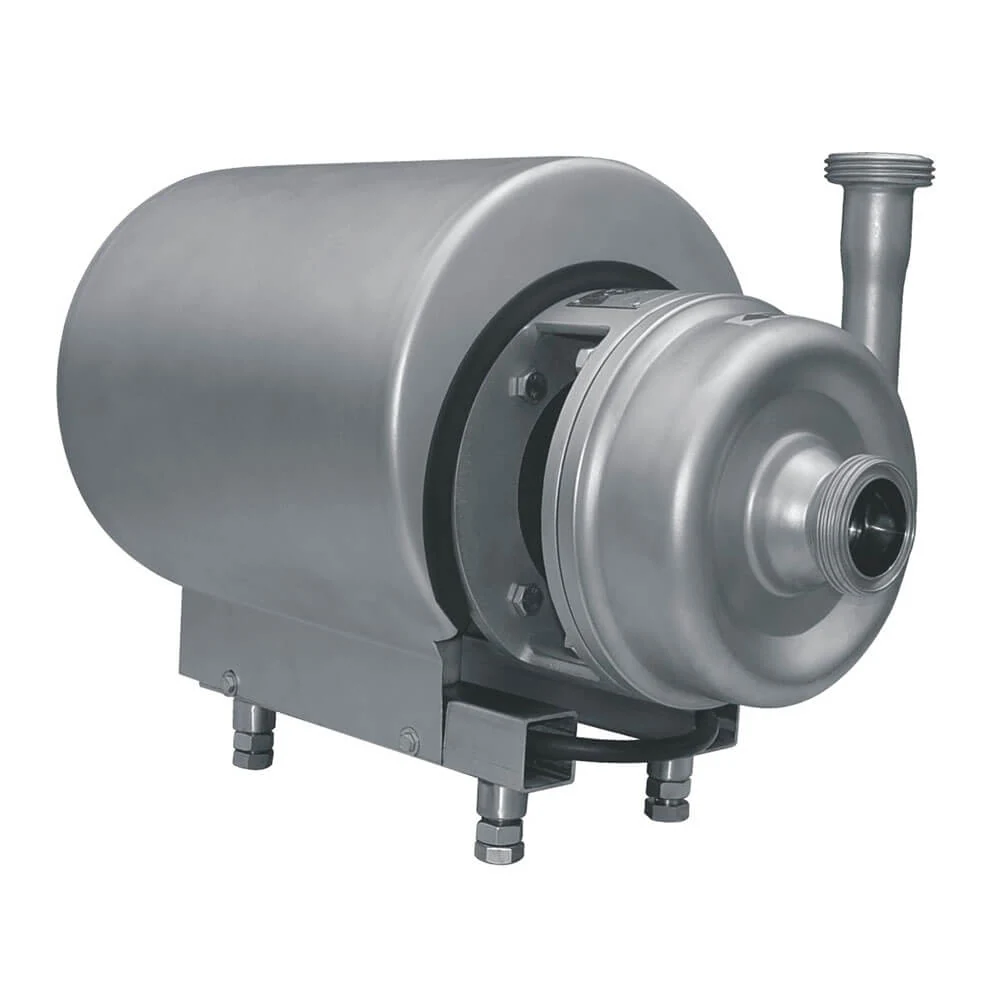
Product transfer and CIP return duties in SUS304 or SUS316L from 1000 to 30,000 L/H.
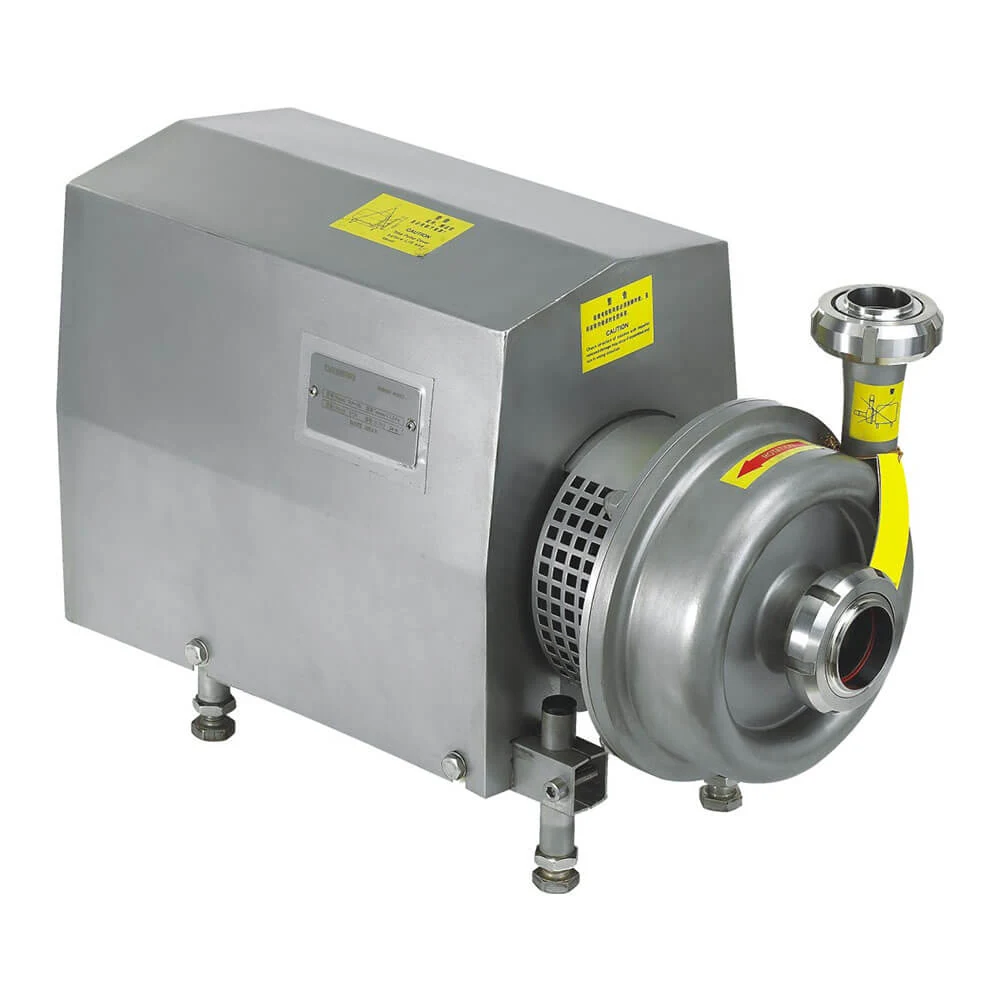
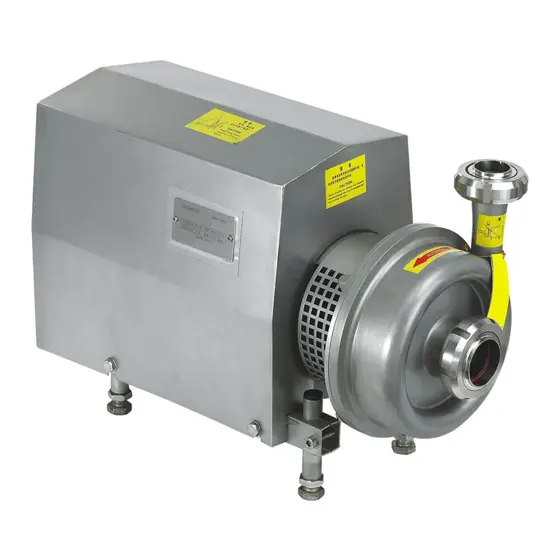
Two pump duties that look similar and are not. The centrifugal pump moves product through the process at 1000 to 30,000 L/H. The CIP return pump brings cleaning solution back from vessels and lines to the CIP set at 5000 to 30,000 L/H, which means coping with part-full pipes and entrained air that would make a product pump lose prime.
The range
All 2 Products In This Group
The problem
What This Group Is Built To Solve
Plants routinely fit a spare product pump on CIP return duty and then wonder why the cleaning cycle is unreliable. A return line runs part-full by design, and a pump sized and selected for a flooded suction will cavitate on it. Specifying the two duties separately is the cheapest reliability improvement available on a CIP set.
Who buys these
Who This Range Is For
Dairy and Juice Plants
Product transfer is continuous and hygienic construction is not optional. Both grades of stainless are available for both duties.
Breweries and Beverage Producers
Beer, beverage, water and seasoning production are all named applications for both pump types.
Plants Building a Recovery CIP Set
Recovering caustic and acid rather than sending them to drain requires a return pump specified for the job.
Why these
What Makes This Range Different
Two Duties Specified Separately
Product transfer and CIP return are quoted as different pumps because they are different problems. That distinction is what makes a recovery CIP system work.
Built to the Duty Point
Working capacity is built to your requirement rather than selected from catalogue steps, so an oversized pump is not throttled back and wasting energy every hour it runs.
Sanitary Construction Throughout
SUS304 or SUS316L wetted parts in a hygienic design, which is what allows cleaning in place rather than harbouring product in a crevice.
Single Unit Orders
One pump minimum order with 100 units per month production capacity, so a replacement does not wait on a batch.
Application
Where These Products Are Used
- Product transfer between process tanks
- Feeding a pasteuriser or steriliser at a controlled flow
- Supplying a filling machine from a buffer tank
- Returning caustic from a tank CIP circuit
- Recovering acid rinse from process lines
- Circulating product through a blending loop
Documentation
Downloads Covering This Group
Specification sheet PDFs already on file for products in this range.
Industries
Sectors That Specify This Group
Dairy Processing
From the milking parlour to the sealed pack, with the cleaning system that keeps it legal.
Fruit and Juice Processing
Sizing a seasonal line so the harvest becomes product rather than waste.
Brewing and Beverage
Fermentation, bright tank, pasteurisation and filling for beer water and soft drinks.
Further reading
Guides Related To This Group
Specifying a CIP System That Actually Cleans
A cleaning cycle that runs without flow cleans nothing and reports success. Conductivity monitoring, flow switches and return pump selection are what make CIP verifiable.
FAQ
Sanitary Pumps Questions
What capacities are available?
1000 to 30,000 L/H on the centrifugal pump and 5000 to 30,000 L/H on the CIP return pump.
Why do we need a separate CIP return pump?
A return line runs part-full and carries air. A pump specified for that duty keeps prime where a product pump will cavitate.
Which material should we specify?
SUS304 for most duties, SUS316L for acidic products, hot caustic and acid cycles or high chloride water.
Do you size the pump for us?
Send both flow and head at the duty point, plus the fluid and temperature, and the pump is selected to it.
What is the minimum order?
One unit on either pump.
How quickly can you supply?
Production capacity is 100 units per month on each. Confirm your delivery window with the order.
Get A Quotation On Sanitary Pumps
Send the capacity you need, the products it will handle and the destination, and we will confirm configuration, materials and a container plan.