
Comparison
Copper or Aluminium for Transformer Windings
63% IACS against 99% IACS. With both figures published, the choice between aluminium and copper foil becomes arithmetic at design stage rather than a matter of preference.
Transformer winding conductor is chosen once and then determines load losses for the twenty or thirty year life of the unit. The argument between copper and aluminium is usually conducted on price per kilogram, which is the least useful comparison available.
The Two Numbers That Matter
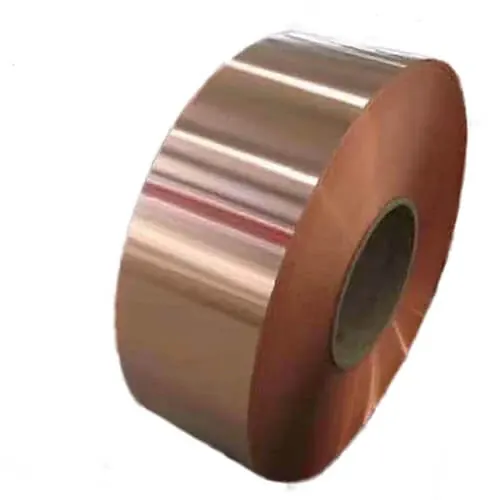
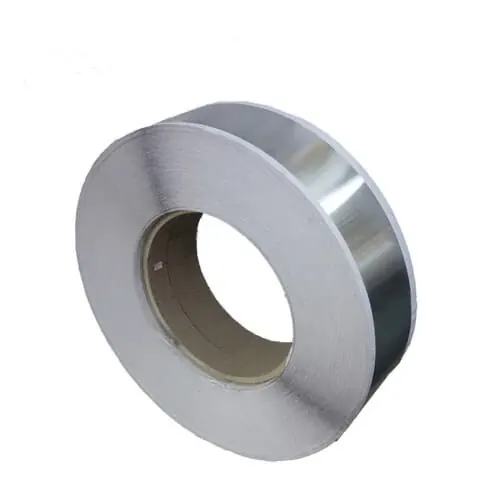
Copper foil in C1100 delivers conductivity of 99% IACS or better with tensile strength above 193 MPa. Aluminium foil in 1050, 1060 or 1070 delivers 63% IACS or better with tensile above 74 MPa. Those figures are published for both materials, which means the conductor section required for a given current density is a calculation rather than an argument.
What Lower Conductivity Costs
Aluminium needs a larger conductor section to carry the same current at the same loss. That makes the coil physically larger, which makes the core window larger, which makes the whole transformer larger. The material saving is real and so is the consequence, and the balance depends on whether space or weight is constrained.
Joint Integrity Favours Oxygen-Free Copper
Copper supplied here is oxygen-free electrolytic copper with oxygen below 0.02% and purity of 99.95% or higher. Oxygen in copper causes embrittlement when a winding joint is brazed or welded, and a brittle joint in a winding is not repairable once the coil is wound and the unit is tanked.
Width Decides Whether the Coil Has a Joint
Foil winding wants strip as tall as the coil, so the winding has no joint in it. Copper foil runs to 1350 mm wide and aluminium foil to 1500 mm, which covers most distribution transformer coils in a single piece.
Standards Compliance Differs
Copper strip here is stated against IEC, BIS and ASTM. Copper foil is stated against American, European, German and Japanese standards. For a transformer sold into several markets, that coverage removes a material qualification step per destination, and it should be named on the purchase order rather than assumed.
Foil or Wire
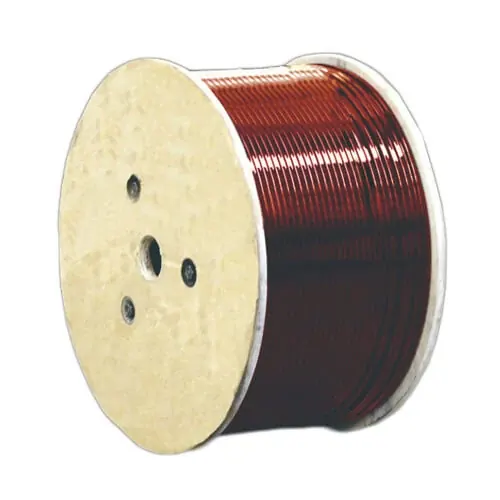
Foil winding uses a single sheet per turn, which eliminates the transposition and circulating current problems that stacked parallel wire conductors have. Enamelled magnet wire remains the choice for high voltage windings and for motors, in copper or aluminium, with flat conductors from 0.8 to 5.6 mm thick packing a coil window more efficiently than round wire.
Do Not Forget the Core
Winding conductor sets load losses, which vary with loading. Core steel sets no-load losses, which run every hour the transformer is energised whether it is loaded or not. Grain oriented silicon steel under 2 mm is the standard specification for a transformer core, and over twenty years that choice usually outweighs the conductor decision entirely.
FAQ
Questions On This Guide
Which is cheaper overall?
It depends on the design. Aluminium costs less per kilogram and needs a larger section; copper costs more and produces a smaller, lighter coil. Calculate both with the published conductivity figures.
What thickness range is available?
0.2 to 3.0 mm in copper and 0.2 to 3.00 mm in aluminium, with widths to 1350 mm and 1500 mm respectively.
Do you supply material certificates?
Request the certificate showing oxygen content, purity and conductivity with the order.
Can you supply for a rewind rather than new manufacture?
Yes. Supply covers transformer manufacturing, assembly, maintenance and repairs.
Related products
Products Referenced In This Guide
Product groups
Groups This Guide Covers
Copper Foil and Strip
C1100 oxygen-free electrolytic copper at 99% IACS for transformer windings.
Aluminium Foil and Strip
1050 1060 and 1070 alloys at 63% IACS for lighter transformer windings.
Enamelled Wire
Magnet wire in copper or aluminium with enamel or polyurethane insulation.
Silicon Steel
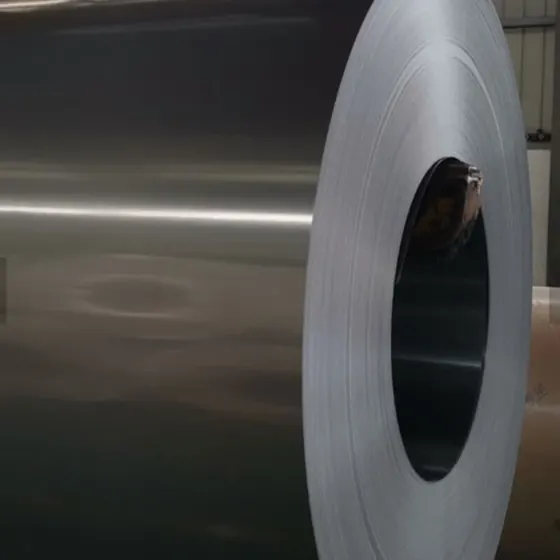
Cold rolled electrical steel under 2 mm in grain oriented and non-oriented grades.
Turn This Into A Specification
Send us the application and we will translate it into a machine, a configuration, a material grade and a delivery plan.