
Silicon Steel
Silicon Steel for Transformer
Silicon steel, also called electrical steel, is a silicon-bearing steel with magnetic properties that create a hysteresis region, increase permeability and reduce core losses.
Product Overview
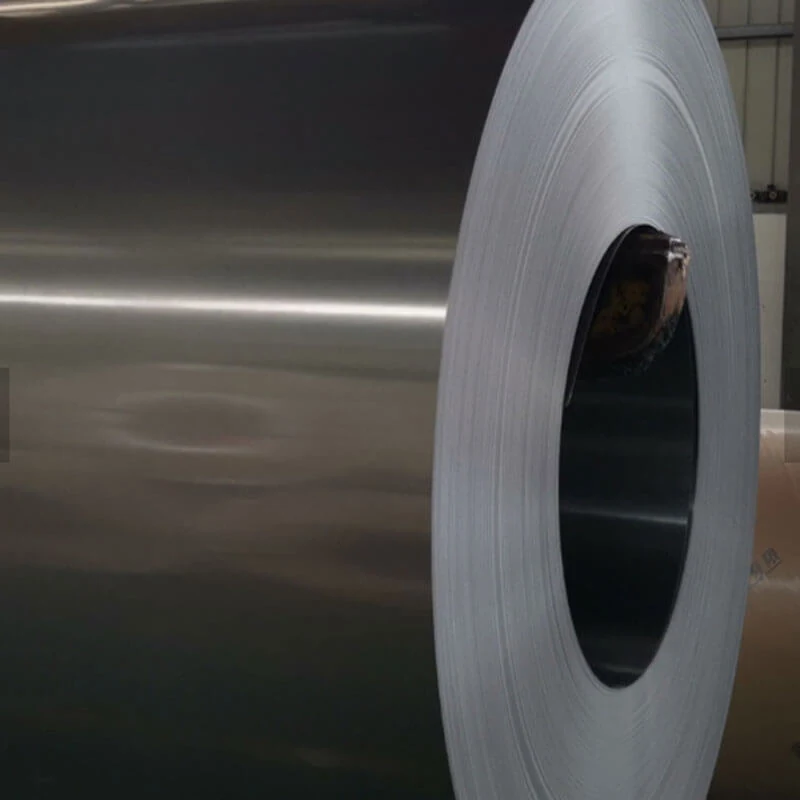
Silicon steel, also called electrical steel, is a silicon-bearing steel with magnetic properties that create a hysteresis region, increase permeability and reduce core losses. It is a soft magnetic alloy used throughout electrical engineering. For transformers it is cold rolled and typically less than 2 mm thick, and multiple pieces are pressed into stacks known as silicon steel sheets for use in transformer and motor stator and rotor cores. After stacking, the steel is cut and shaped using a dimple die, laser or EDM process. Two main categories are supplied: grain oriented and non-oriented.
Key benefits
Why Buyers Choose This Specification
Core Loss Is the Whole Point
A transformer's no-load loss runs for every hour of its life whether it is carrying load or not. Silicon steel grade is what sets that figure, and it compounds over decades.
Grain Oriented and Non-Oriented Both Supplied
Grain oriented steel has far lower loss in the rolling direction, which suits a transformer core; non-oriented suits rotating machines where flux direction changes.
Cold Rolled Below 2 mm
Thin laminations are what limit eddy current losses. Cold rolling to under 2 mm is the standard construction for transformer cores.
Three Shaping Processes
Dimple die, laser and EDM cutting after stacking, so the lamination shape follows the core design rather than a standard punch set.
Application scenarios
Where It Is Used
- Transformer core lamination stacks
- Motor stator and rotor cores
- Distribution transformer manufacture
- Repair and replacement of damaged cores
- Reactor and inductor cores
- Prototype cores cut by laser or EDM
Who it is for
The Buyers This Product Suits
Transformer Manufacturers
Core steel grade is the single biggest determinant of no-load loss, which is often a contractual performance figure.
Motor Manufacturers
Non-oriented electrical steel is the correct grade for stator and rotor cores where flux rotates.
Repair Shops and Prototypers
Laser and EDM cutting allow one-off lamination shapes without a punch tool.
Problems it solves
What It Fixes
No-Load Losses Running for Decades
Silicon steel with increased permeability and reduced core losses is what limits them, and the grade choice is made once at design.
Eddy Currents in Thick Laminations
Cold rolled material below 2 mm keeps lamination thickness low, which is what limits eddy current loss.
Lamination Shapes With No Tooling
Laser and EDM cutting produce the shape without a die, which suits prototypes and repairs.
Specifications
Published Figures For This Product
Every value below comes from our own product specification. Where a figure is not published we leave it out rather than estimating it.
| Also Known As | Electrical steel |
|---|---|
| Material | Silicon-bearing soft magnetic alloy |
| Categories | Grain oriented and non-oriented |
| Form | Cold rolled |
| Thickness | Typically less than 2 mm |
| Magnetic Properties | Hysteresis region, increased permeability, reduced core losses |
| Shaping Processes | Dimple die, laser, EDM |
| Applications | Transformer cores, motor stator and rotor cores |
| Grade | Grain oriented and non-oriented |
Packing and documents
How It Ships And What Comes With It
Packing And Loading
Shipping volume for this item depends on the configuration and capacity you select, so no fixed container figure is published. Confirm the specification and the destination and a loading plan is issued with the quotation, rather than a figure we cannot support.
Documentation On File
- Power and Electrical Materials · Silicon Steel Specification Sheet5.1 KB
- Catalogue · Full Product Catalogue154.0 KB
Sourcing And Inspection
This product is supplied through TrueGlow Imaging, working with manufacturing partners whose facilities are visited and verified rather than taken on trust. In-process quality control and delivery supervision are available so goods are inspected before the container is sealed. Certifications quoted on this page are those stated on the product specification and belong to that product range rather than to our trading entity, so ask for the certificate covering your specific item.
Handling guide
Getting It Right First Time
Step 1
Choose grain oriented for transformer cores and non-oriented for rotating machines.
Step 2
Specify lamination thickness against your target core loss.
Step 3
Consider the cutting process, since dimple die suits volume and laser or EDM suits low quantity.
Step 4
Handle laminations carefully, since burrs and damaged edges short adjacent sheets.
Step 5
Anneal after cutting where the process has introduced stress into the material.
Comparison
How It Compares In Our Range
The two main categories of electrical steel.
| Grain Oriented | Grains aligned with the rolling direction for much lower loss along that axis. Used in transformer cores where flux follows a fixed path. |
|---|---|
| Non-Oriented | Uniform properties in all directions. Used in motor stators and rotors where the flux direction rotates. |
FAQ
Silicon Steel for Transformer Questions
What is silicon steel?
Electrical steel, a special steel containing silicon with magnetic properties that create a hysteresis region, increase permeability and reduce core losses. It is a soft magnetic alloy used widely in electrical engineering.
What thickness is used for transformers?
It is usually manufactured cold rolled and is typically less than 2 mm thick.
Which categories do you supply?
Grain oriented and non-oriented.
How are the laminations shaped?
After being pressed into stacks, the steel is cut and shaped using a dimple die, laser or EDM process.
What is it used for?
The cores of stators and rotors in transformers and electric motors.
Which grade should we use?
Grain oriented for transformer cores and non-oriented for rotating machines. Send your core design and target loss figure for a recommendation.
Related products
Other Products Buyers Look At
Industries
Sectors That Use This Product
Power and Transformer Manufacturing
Winding conductor and core steel specified by conductivity and loss, not by weight.
Metal Fabrication and Machine Shops
Custom parts, tooling and the cranes that move them around the shop.
Warehousing and Heavy Industry
Lifting from 250 kg to 360 tons, indoors on a runway or outdoors on legs.
Further reading
Guides That Cover This Product
Copper or Aluminium for Transformer Windings
63% IACS against 99% IACS. With both figures published, the choice between aluminium and copper foil becomes arithmetic at design stage rather than a matter of preference.
Quote Silicon Steel for Transformer
Send the capacity or size you need, the quantity and the destination, and we will confirm the configuration, the lead time and a loading plan.