
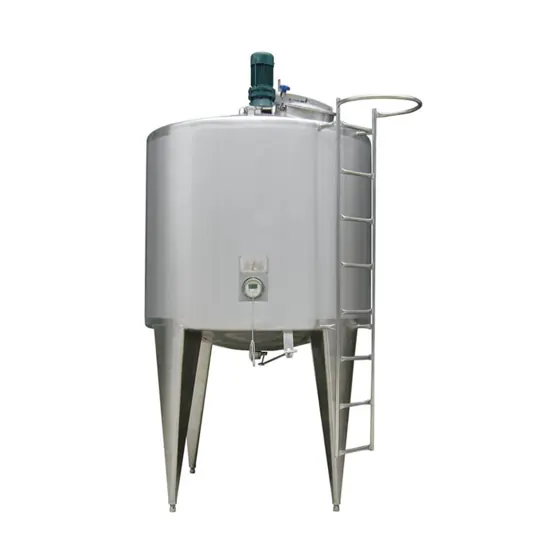
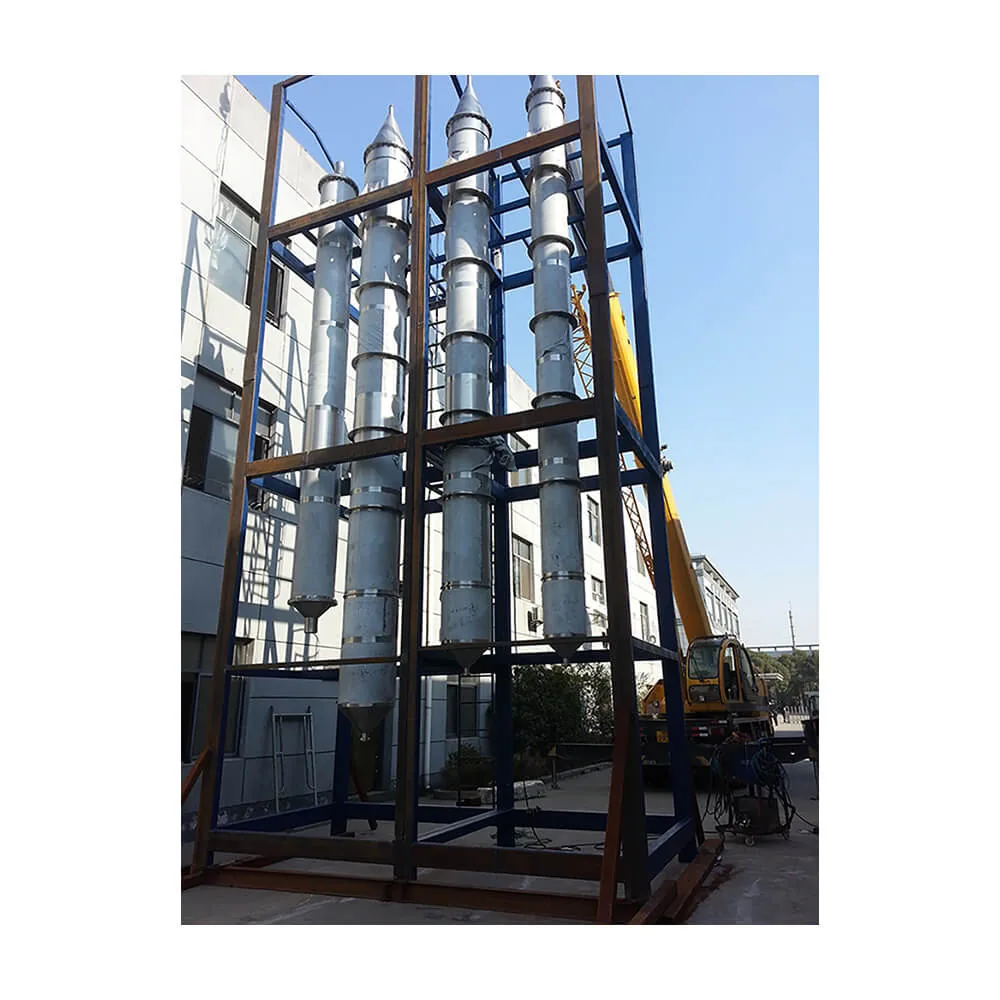
Evaporators and Concentrators
Evaporator/Concentrator
An evaporator, also called a concentrator, handling 1000 L/H to 30,000 L/H in SUS304, used on milk powder, fruit juice powder, concentrated fruit juice, fruit jam, tomato paste and ketchup lines.
Product Overview
An evaporator, also called a concentrator, handling 1000 L/H to 30,000 L/H in SUS304, used on milk powder, fruit juice powder, concentrated fruit juice, fruit jam, tomato paste and ketchup lines. Falling-film, forced circulation and small-scale laboratory concentrator types are available and the machine is designed to client requirements. Standard components include Siemens PLC and touch screen, temperature sensor and gauge, pressure transmitter and gauge, high and low liquid level switches, vacuum pump, centrifugal pump and condenser.
Key benefits
Why Buyers Choose This Specification
Three Evaporator Types
Falling-film for heat-sensitive thin liquids, forced circulation for viscous or fouling products, and a laboratory concentrator for trials. The product decides, not the capacity.
Removes Water Before Drying
Evaporating water under vacuum costs a fraction of removing the same water in a spray dryer. Concentrating first is where drying economics are actually decided.
Full Instrumentation From New
Temperature and pressure measurement, level switches, vacuum pump and condenser all come as standard components rather than as a scope discussion.
Designed to Client Requirements
The evaporator is designed around your product and target concentration rather than selected from a fixed range.
Application scenarios
Where It Is Used
- Concentrating milk before spray drying to powder
- Producing concentrated fruit juice for bulk shipment
- Tomato paste and ketchup production
- Fruit jam concentration
- Pre-concentration ahead of fruit juice powder production
- Laboratory-scale concentration trials
Who it is for
The Buyers This Product Suits
Milk Powder Producers
Concentrating before the dryer is what makes powder production economic, since evaporation removes water far more cheaply than drying does.
Juice Concentrate Exporters
Concentrate ships at a fraction of the freight cost of single-strength juice.
Tomato Processors
Paste and ketchup production both depend on controlled evaporation to a target solids content.
Problems it solves
What It Fixes
Drying Costs Driven by Water Content
Evaporating water under vacuum before the dryer is far cheaper per kilo removed than drying it out.
Heat Damage to Sensitive Products
Falling-film evaporation under vacuum concentrates at a lower temperature than boiling at atmospheric pressure.
Fouling on Viscous Products
Forced circulation evaporators keep velocity high across the tubes, which is what resists fouling on thick products.
Specifications
Published Figures For This Product
Every value below comes from our own product specification. Where a figure is not published we leave it out rather than estimating it.
| Product Model | HTK-ZFQ-01 |
|---|---|
| Working Capacity | 1000 L/H to 30,000 L/H, customised |
| Material | SUS304 |
| Types | Falling-film; forced circulation; small-scale laboratory concentrator |
| Control | Siemens PLC and touch screen |
| Instrumentation | Temperature sensor and gauge, pressure transmitter and gauge, high and low liquid level switches |
| Ancillaries | Vacuum pump, centrifugal pump, condenser |
| Applications | Milk powder, fruit juice powder, concentrated juice, jam, tomato paste and ketchup |
| Minimum Order | One unit |
| Production Capacity | 20 units per month |
| Grade | SUS304 |
Packing and documents
How It Ships And What Comes With It
Packing And Loading
Shipping volume for this item depends on the configuration and capacity you select, so no fixed container figure is published. Confirm the specification and the destination and a loading plan is issued with the quotation, rather than a figure we cannot support.
Documentation On File
- Dairy and Liquid Processing · Evaporators and Concentrators Specification Sheet5.2 KB
- Catalogue · Full Product Catalogue154.0 KB
Sourcing And Inspection
This product is supplied through TrueGlow Imaging, working with manufacturing partners whose facilities are visited and verified rather than taken on trust. In-process quality control and delivery supervision are available so goods are inspected before the container is sealed. Certifications quoted on this page are those stated on the product specification and belong to that product range rather than to our trading entity, so ask for the certificate covering your specific item.
Handling guide
Getting It Right First Time
Step 1
State the feed and target solids concentration, since both set the evaporation duty.
Step 2
Choose falling-film for thin heat-sensitive liquids and forced circulation for viscous or fouling products.
Step 3
Size the condenser and cooling water supply alongside the evaporator itself.
Step 4
Trial on the laboratory concentrator before committing to a production machine on a new product.
Step 5
Plan CIP for the evaporator circuit, since fouling is what limits run length.
Comparison
How It Compares In Our Range
Three evaporator types for different products.
| Falling-Film Evaporator | Thin film down heated tubes under vacuum. Gentle on heat-sensitive products such as milk and juice. |
|---|---|
| Forced Circulation Evaporator | Pumped circulation keeps velocity up, which suits viscous and fouling products such as tomato paste. |
| Laboratory Concentrator | Small-scale unit for product development and process trials before production scale. |
FAQ
Evaporator/Concentrator Questions
What capacity is available?
1000 L/H to 30,000 L/H, customised.
Which evaporator types do you supply?
Falling-film, forced circulation and small-scale laboratory concentrators.
What products is it used for?
Milk powder, fruit juice powder, concentrated fruit juice, fruit jam, tomato paste and tomato ketchup lines.
What control system is fitted?
Siemens PLC and touch screen, with temperature sensor and gauge, pressure transmitter and gauge, and high and low liquid level switches.
What material is it built from?
SUS304.
What is the minimum order?
One unit, with a production capacity of 20 units per month.
Related products
Other Products Buyers Look At
Industries
Sectors That Use This Product
Dairy Processing
From the milking parlour to the sealed pack, with the cleaning system that keeps it legal.
Fruit and Juice Processing
Sizing a seasonal line so the harvest becomes product rather than waste.
Food Packaging Lines
Depalletizing to palletizing, balanced against the filler in the middle.
Further reading
Guides That Cover This Product
Sizing a Fruit Processing Line Against Peak Intake
The harvest arrives in a window and does not wait. Every stage of this range is quoted in tonnes per hour so the whole line can be balanced against one number.
Quote Evaporator/Concentrator
Send the capacity or size you need, the quantity and the destination, and we will confirm the configuration, the lead time and a loading plan.