
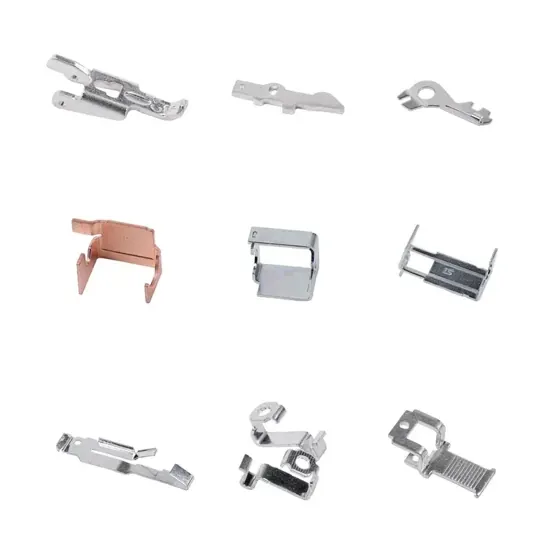
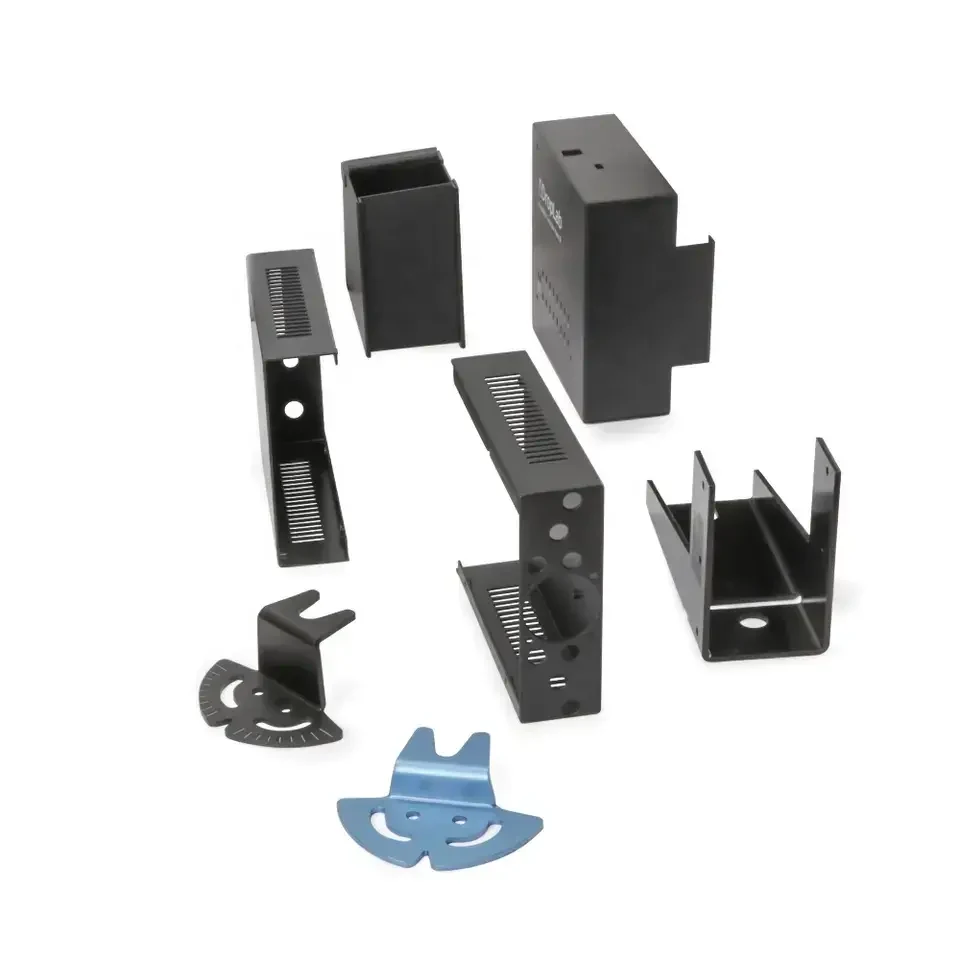
Metal Stamping Parts
CNC Bending Parts
CNC bending forms metal on computer-controlled machines, which is what gives accuracy and repeatability on parts that would otherwise depend on the operator reading a protractor.
Product Overview
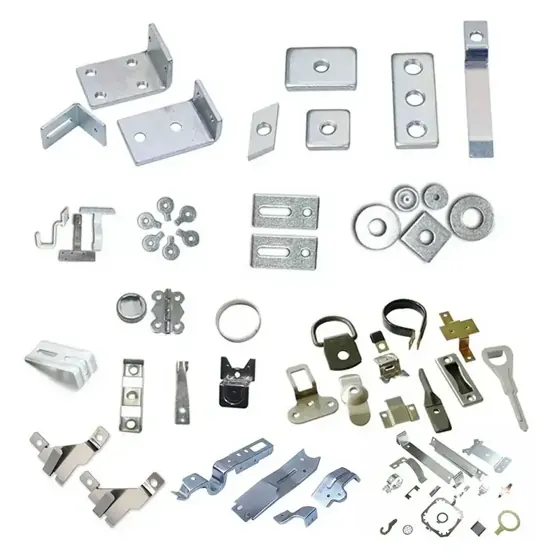
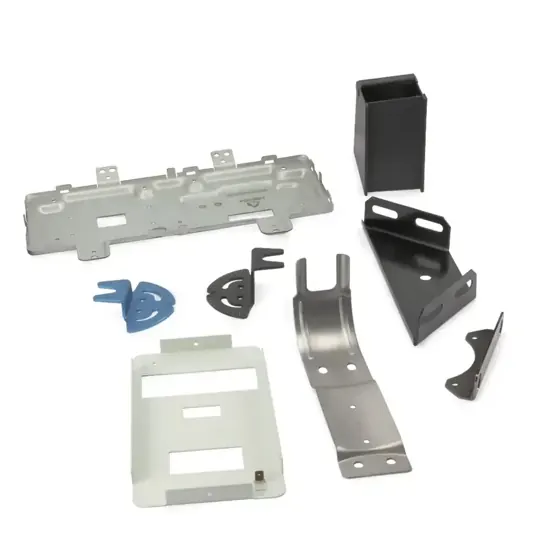
CNC bending forms metal on computer-controlled machines, which is what gives accuracy and repeatability on parts that would otherwise depend on the operator reading a protractor. Bend radius is the key design decision, because it determines how sharp or smooth each bend will be and whether the material cracks on the outside of the bend. Parts are produced in aluminium and 304 stainless steel among other materials.
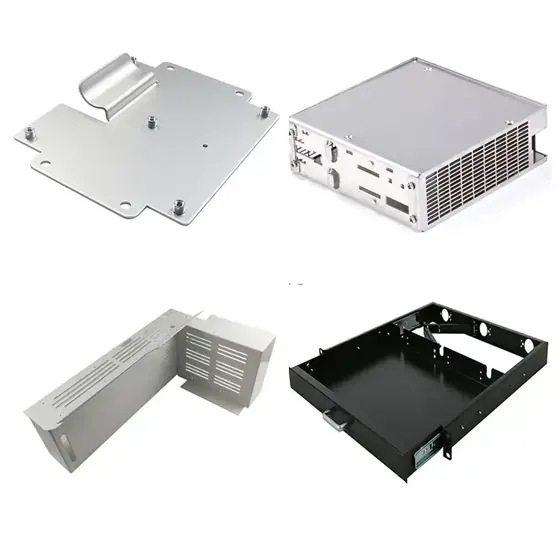
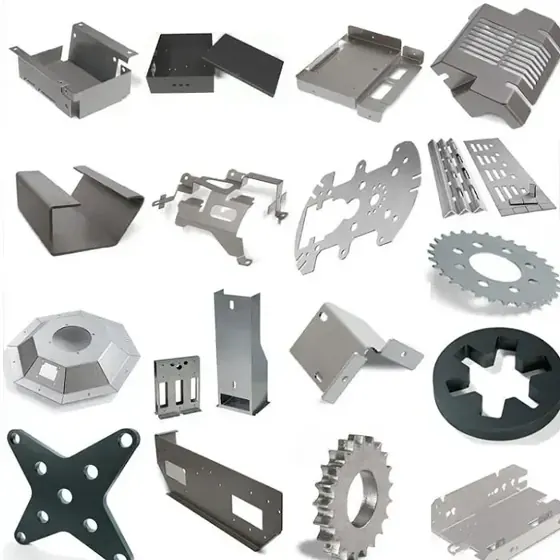
Key benefits
Why Buyers Choose This Specification
Bend Angle Repeatable Across the Batch
Computer control holds the same angle on every part. On an enclosure with six bends, a half-degree error repeated six times is what stops the lid fitting.
Bend Radius Treated as a Design Decision
Radius determines how sharp or smooth a bend will be, and it is agreed before production rather than left to whichever tool is in the brake.
Accuracy on Intricate Designs
The process is used across industries from electronics upward precisely because it holds intricate designs accurately and efficiently.
Custom Solutions Not Standard Forms
Bending work is quoted against your requirement rather than against a fixed range of standard sections.
Application scenarios
Where It Is Used
- Enclosure and cabinet panels with multiple bends
- Brackets and mounting angles in production quantity
- Chassis components for electronics equipment
- Formed covers and guards for machinery
- Intricate bent parts for the electronics sector
- Prototype bent parts before a production run
Who it is for
The Buyers This Product Suits
Electronics Manufacturers
Intricate designs in the electronics sector are a named application, where bend accuracy decides whether boards and connectors line up.
Sheet Metal Buyers
Bending is where flat-pattern parts either become an assembly or become scrap, so repeatability is what you are actually buying.
Product Designers
Bend radius guidance at design stage prevents the cracking and springback problems that show up in the first production batch.
Problems it solves
What It Fixes
Angles That Vary Part to Part
Computer-controlled bending gives high accuracy and repeatability rather than operator-dependent results.
Cracking on the Outside of a Bend
Bend radius is considered explicitly, since too sharp a radius is what cracks the outer fibre.
Assemblies That Do Not Close Up
Cumulative bend error across several bends is the usual cause, and it is controlled by holding each bend to program.
Specifications
Published Figures For This Product
Every value below comes from our own product specification. Where a figure is not published we leave it out rather than estimating it.
| Process | CNC bending on computer-controlled machines |
|---|---|
| Materials | Aluminium, 304 stainless steel and others |
| Key Design Parameter | Bend radius, determining how sharp or smooth the bend is |
| Strengths | High accuracy, repeatability and efficiency |
| Build Type | Custom solutions to client requirements |
| Grade | Confirm with us before ordering |
Packing and documents
How It Ships And What Comes With It
Packing And Loading
Shipping volume for this item depends on the configuration and capacity you select, so no fixed container figure is published. Confirm the specification and the destination and a loading plan is issued with the quotation, rather than a figure we cannot support.
Documentation On File
- Precision Machining and Fabrication · Metal Stamping Parts Specification Sheet11.4 KB
- Catalogue · Full Product Catalogue154.0 KB
Sourcing And Inspection
This product is supplied through TrueGlow Imaging, working with manufacturing partners whose facilities are visited and verified rather than taken on trust. In-process quality control and delivery supervision are available so goods are inspected before the container is sealed. Certifications quoted on this page are those stated on the product specification and belong to that product range rather than to our trading entity, so ask for the certificate covering your specific item.
Handling guide
Getting It Right First Time
Step 1
Specify the bend radius on the drawing rather than leaving it to the shop.
Step 2
State the material and temper, since springback differs between aluminium and 304 stainless.
Step 3
Allow for the bend allowance in the flat pattern, or supply the 3D model and let it be calculated.
Step 4
Keep hole positions away from bend lines to avoid distortion.
Step 5
Check a first article in your assembly before releasing a production quantity.
Comparison
How It Compares In Our Range
How material choice changes the bend.
| Aluminium | Lighter and easier to form, but needs a larger bend radius in harder tempers to avoid cracking. |
|---|---|
| 304 Stainless Steel | Stronger and corrosion resistant, with more springback, so the program compensates for it. |
FAQ
CNC Bending Parts Questions
What is CNC bending?
Precise bending of materials, primarily metals, using computer-controlled machines, giving high accuracy, repeatability and efficiency.
Which materials do you bend?
Aluminium and 304 stainless steel among others.
What bend radius should we specify?
It depends on material and thickness. The radius determines how sharp or smooth the bend will be, so send the drawing and a radius is advised.
Can you work from our 3D model?
Yes, and it is preferred for multi-bend parts, since the flat pattern can then be calculated with the correct allowance.
Do you offer samples?
A first article can be produced before a production run. Request it at order stage.
What quantities do you handle?
From prototype quantities through to production batches.
Related products
Other Products Buyers Look At
Industries
Sectors That Use This Product
Metal Fabrication and Machine Shops
Custom parts, tooling and the cranes that move them around the shop.
Food Packaging Lines
Depalletizing to palletizing, balanced against the filler in the middle.
Power and Transformer Manufacturing
Winding conductor and core steel specified by conductivity and loss, not by weight.
Quote CNC Bending Parts
Send the capacity or size you need, the quantity and the destination, and we will confirm the configuration, the lead time and a loading plan.