
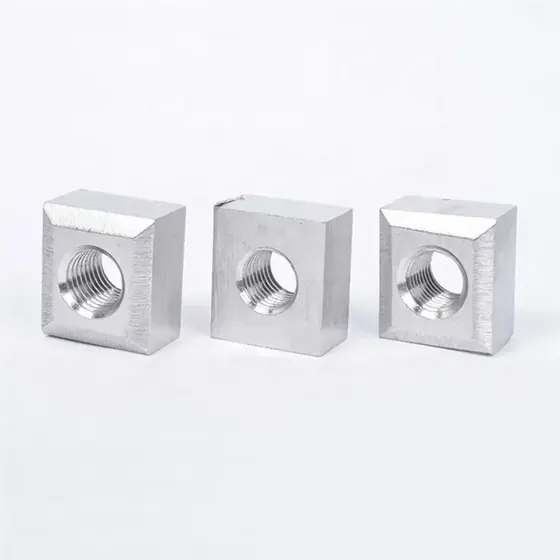
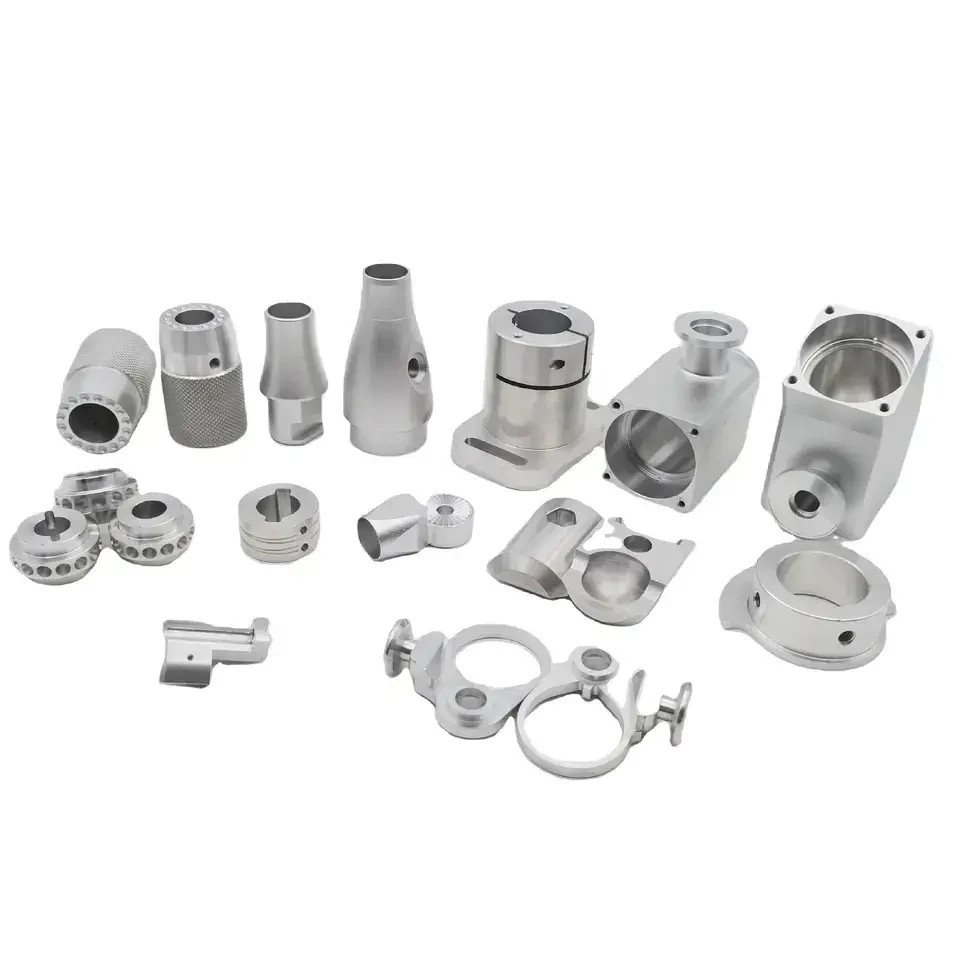
CNC Milled Components
CNC Milling Parts
CNC milling removes material from a workpiece using computer-controlled machine tools, which is what makes complex geometry repeatable.
Product Overview
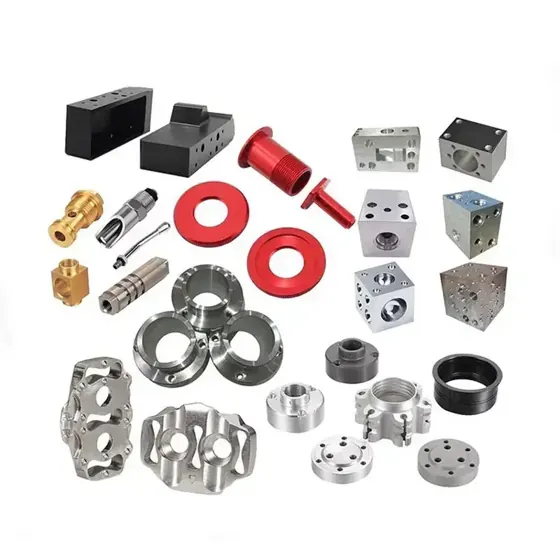
CNC milling removes material from a workpiece using computer-controlled machine tools, which is what makes complex geometry repeatable. It is the preferred process for parts that cannot be turned: housings, manifolds, brackets and anything with features on more than one face. Parts are produced in aluminium and brass among other materials, with turning available where a component needs both processes.
Key benefits
Why Buyers Choose This Specification
Complex Geometry Made Repeatable
Precision and repeatability are the reasons milling is chosen over fabrication for functional parts. The second part is the same as the first because the program is the same.
Turning Available on the Same Part
Components that need both a milled face and a turned bore stay in one shop, which keeps the datum consistent between operations.
Delivery Treated as a Commitment
The operation is run for efficiency and timely delivery, which matters when a milled part is the item holding up an assembly.
Accessible for Small Quantities
CNC milling has become efficient enough that intricate parts can be produced in small quantities without tooling cost.
Application scenarios
Where It Is Used
- Housings and enclosures machined from solid
- Manifolds and valve bodies with internal passages
- Brackets and mounting plates with tight hole positions
- Jigs and fixtures for production
- Prototype parts before committing to a casting or moulding tool
- Machined components requiring both milling and turning
Who it is for
The Buyers This Product Suits
Machine and Equipment Builders
Housings, brackets and fixtures are the day-to-day workload of a milling shop and are usually needed in small quantities.
Product Developers
Milling from solid is the fastest way to a functional part when a moulding tool is not yet justified.
Buyers With Complex Geometry
Computer control is what makes intricate parts repeatable rather than dependent on an individual machinist.
Problems it solves
What It Fixes
Prototypes Held Up by Tooling
Milling from solid needs no tooling, so a functional part exists while a mould is still being discussed.
Complex Parts That Vary Between Suppliers
The precision and repeatability of CNC milling is what removes that variation.
Split Machining Operations
Milling and turning together in one shop avoids a re-datum between two suppliers.
Specifications
Published Figures For This Product
Every value below comes from our own product specification. Where a figure is not published we leave it out rather than estimating it.
| Process | CNC milling with computer-controlled machine tools |
|---|---|
| Materials | Aluminium, brass and others |
| Secondary Process | Turning available |
| Strengths | Precision and repeatability on complex parts |
| Volumes | Prototype through to production |
| Grade | Confirm with us before ordering |
Packing and documents
How It Ships And What Comes With It
Packing And Loading
Shipping volume for this item depends on the configuration and capacity you select, so no fixed container figure is published. Confirm the specification and the destination and a loading plan is issued with the quotation, rather than a figure we cannot support.
Documentation On File
- Precision Machining and Fabrication · CNC Milled Components Specification Sheet4.9 KB
- Catalogue · Full Product Catalogue154.0 KB
Sourcing And Inspection
This product is supplied through TrueGlow Imaging, working with manufacturing partners whose facilities are visited and verified rather than taken on trust. In-process quality control and delivery supervision are available so goods are inspected before the container is sealed. Certifications quoted on this page are those stated on the product specification and belong to that product range rather than to our trading entity, so ask for the certificate covering your specific item.
Handling guide
Getting It Right First Time
Step 1
Supply a 3D model, because milled geometry is difficult to convey fully in 2D.
Step 2
Mark critical tolerances rather than applying a blanket tolerance to the whole part.
Step 3
State the material and any surface treatment required after machining.
Step 4
Design internal corners with a radius that suits a standard cutter to control cost.
Step 5
Request a first article on new parts and check it in the assembly.
Comparison
How It Compares In Our Range
Milled from solid against the alternatives.
| CNC Milling | No tooling cost, complex geometry, ideal for prototypes and small to medium volumes. |
|---|---|
| Casting or Moulding | Lower piece cost at high volume, but with tooling cost, lead time and design constraints before the first part exists. |
FAQ
CNC Milling Parts Questions
What is CNC milling?
A manufacturing process using computer-controlled machine tools to remove material from a workpiece, producing complex parts with precision and repeatability.
Which materials do you mill?
Aluminium and brass among others. State the grade on the drawing.
Can you also turn parts?
Yes. Turning is available, so components needing both processes stay with one supplier.
Do you handle small quantities?
Yes. CNC milling needs no tooling, which is what makes prototype and small-batch work economic.
How quickly can you deliver?
Turnaround is set by part complexity and material availability. Send the model on WhatsApp for a firm date.
What do you need to quote?
A 3D model, the material, the quantity and the critical tolerances.
Related products
Other Products Buyers Look At
Industries
Sectors That Use This Product
Metal Fabrication and Machine Shops
Custom parts, tooling and the cranes that move them around the shop.
Power and Transformer Manufacturing
Winding conductor and core steel specified by conductivity and loss, not by weight.
Food Packaging Lines
Depalletizing to palletizing, balanced against the filler in the middle.
Quote CNC Milling Parts
Send the capacity or size you need, the quantity and the destination, and we will confirm the configuration, the lead time and a loading plan.