
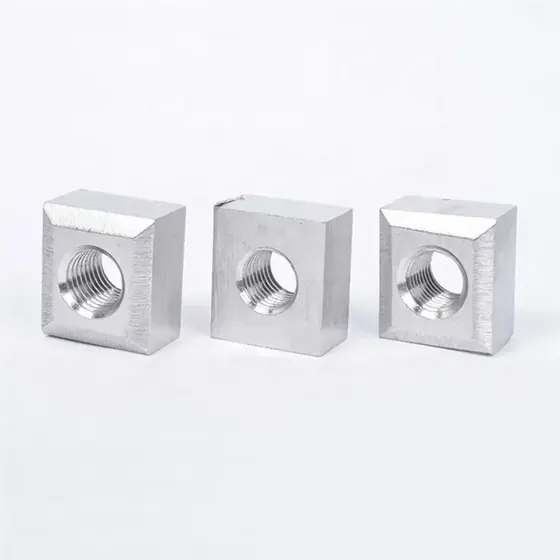
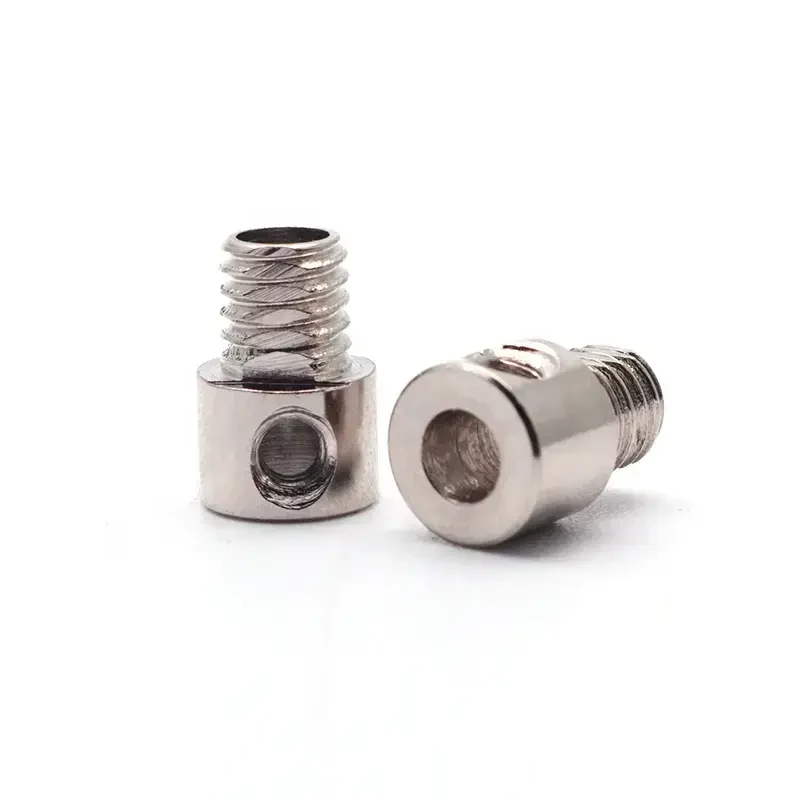
CNC Machining Parts
Horizontal Mill Parts
Custom horizontal mill parts machined to drawing, covering the components that determine whether a milling machine holds accuracy.
Product Overview
Custom horizontal mill parts machined to drawing, covering the components that determine whether a milling machine holds accuracy. The spindle holds and drives the cutting tools and is the component whose robustness decides what the machine can take. Parts are produced by milling and turning, in cast iron and other specified materials, with inspection built into the process rather than added at the end.
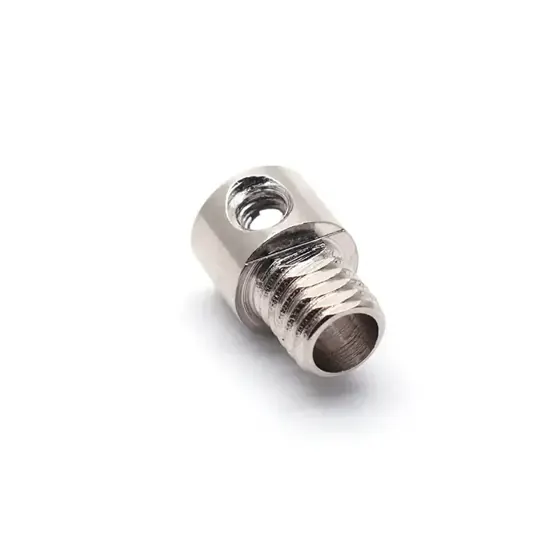
Key benefits
Why Buyers Choose This Specification
Spindle Components Made to Specification
The spindle is the part that holds and drives the cutting tools, so its construction sets what the machine can handle. It is machined to specification rather than to a general pattern.
Milling and Turning Under One Roof
Most mill components need both. Having them done in one shop avoids a re-datum between operations, which is where concentricity is usually lost.
Quality Control Built In
Inspection is part of the process rather than an afterthought, which is what allows single parts to be released without a re-check on arrival.
Broad Process Capability
Milling, turning, stamping and sheet metal work are available, so an assembly needing several processes does not have to be split across suppliers.
Application scenarios
Where It Is Used
- Replacing spindle components on a horizontal mill
- Machining drive and feed components to drawing
- Producing wear parts as a stocked spare
- Reverse engineering a discontinued part
- Supplying mating parts for a machine rebuild
- Batch production of components for machine builders
Who it is for
The Buyers This Product Suits
Machine Tool Rebuilders
Rebuilds need parts machined to as-found dimensions, which a catalogue spare cannot provide.
Maintenance Departments
Holding a machined spare for the spindle assembly turns an unplanned outage into a planned one.
Machine Builders
Component batches can be made to your drawings across milling, turning and sheet metal in one shop.
Problems it solves
What It Fixes
Accuracy Lost Between Operations
Milling and turning in one shop removes a re-fixture between suppliers and the error that comes with it.
Discontinued Components
Parts are made to drawing or to sample, which covers machines the original maker no longer supports.
Inspection Only at the End
Quality control is carried out through the process rather than as a final gate, which is what catches an error while it is still recoverable.
Specifications
Published Figures For This Product
Every value below comes from our own product specification. Where a figure is not published we leave it out rather than estimating it.
| Part Type | Horizontal mill components |
|---|---|
| Spindle | Holds and drives the cutting tools |
| Materials | Cast iron and specified alternatives |
| Processes | Milling, turning, stamping, sheet metal |
| Build Type | Custom to drawing or sample |
| Quality Control | Inspection through the process, not only at the end |
| Grade | Custom to drawing |
Packing and documents
How It Ships And What Comes With It
Packing And Loading
Shipping volume for this item depends on the configuration and capacity you select, so no fixed container figure is published. Confirm the specification and the destination and a loading plan is issued with the quotation, rather than a figure we cannot support.
Documentation On File
- Precision Machining and Fabrication · CNC Machining Parts Specification Sheet12.6 KB
- Catalogue · Full Product Catalogue154.0 KB
Sourcing And Inspection
This product is supplied through TrueGlow Imaging, working with manufacturing partners whose facilities are visited and verified rather than taken on trust. In-process quality control and delivery supervision are available so goods are inspected before the container is sealed. Certifications quoted on this page are those stated on the product specification and belong to that product range rather than to our trading entity, so ask for the certificate covering your specific item.
Handling guide
Getting It Right First Time
Step 1
Supply a drawing with geometric tolerances, not just dimensions, for spindle and bearing seats.
Step 2
State the material and any required hardness or surface treatment.
Step 3
Identify the mating components so fits can be checked rather than assumed.
Step 4
Ask for an inspection report with critical dimensions recorded.
Step 5
Order a spare at the same time while the setup is still on the machine.
Comparison
How It Compares In Our Range
Which process suits which mill component.
| Milling | Flat faces, slots and bolt patterns on housings and tables. |
|---|---|
| Turning | Spindles, shafts and bores where concentricity is the critical characteristic. |
FAQ
Horizontal Mill Parts Questions
What is the most critical mill part?
The spindle, because it holds and drives the cutting tools and its construction decides what the machine can handle.
Do you work from drawings or samples?
Both. A drawing is preferred, but dimensions can be taken from the worn part.
What materials do you machine?
Cast iron for structural components and other materials as specified on the drawing.
Do you supply an inspection report?
Yes, with critical dimensions recorded. Ask for it with the order so it is prepared alongside the parts.
Can you handle assemblies?
Yes. Milling, turning, stamping and sheet metal work are all available, so multi-process assemblies stay with one supplier.
What quantity do you accept?
From single replacement parts through to batches for machine builders.
Related products
Other Products Buyers Look At
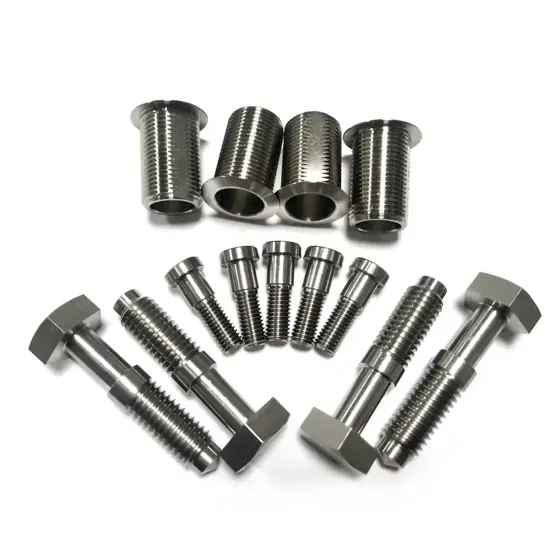
Industries
Sectors That Use This Product
Metal Fabrication and Machine Shops
Custom parts, tooling and the cranes that move them around the shop.
Warehousing and Heavy Industry
Lifting from 250 kg to 360 tons, indoors on a runway or outdoors on legs.
Food Packaging Lines
Depalletizing to palletizing, balanced against the filler in the middle.
Quote Horizontal Mill Parts
Send the capacity or size you need, the quantity and the destination, and we will confirm the configuration, the lead time and a loading plan.