
Rubber and Plastic Products
Rubber Moulds
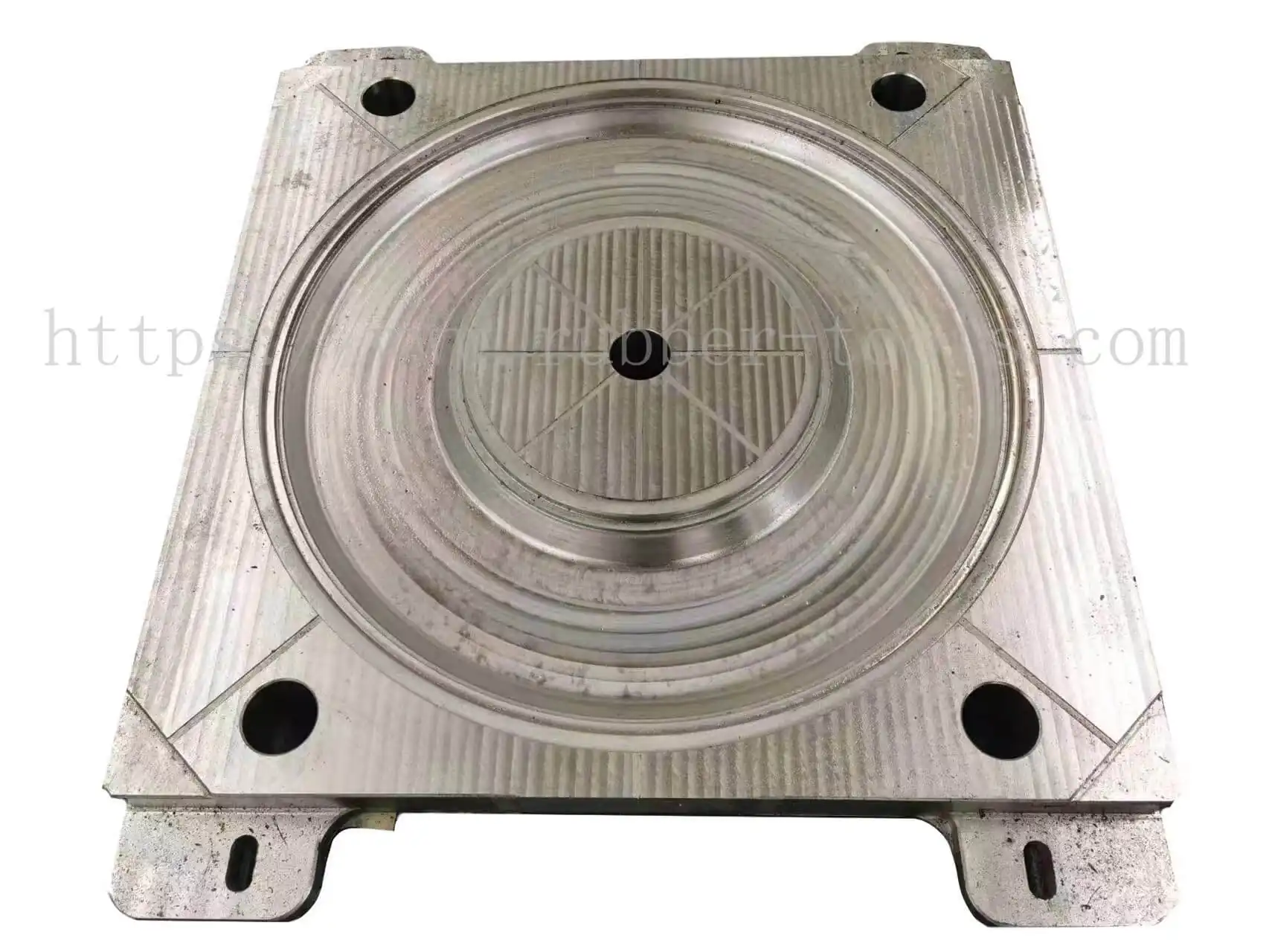
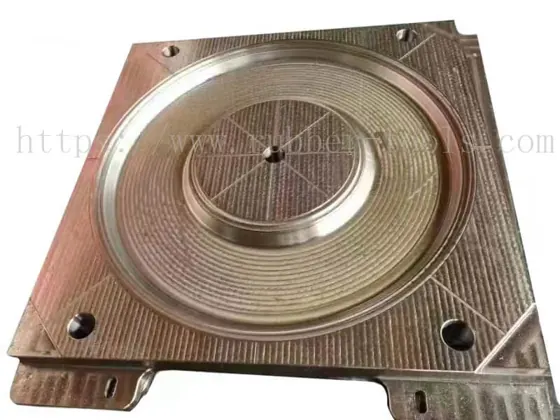
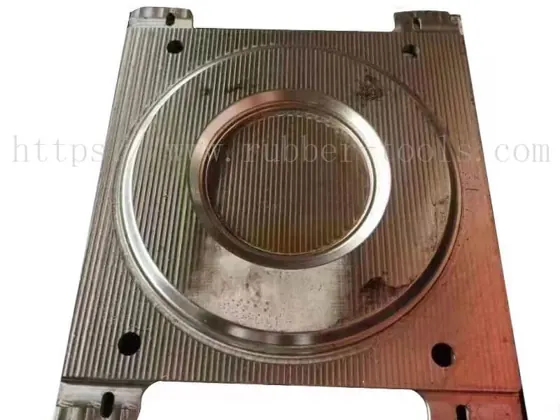
Rubber moulds designed and developed in an in-house mould manufacturing workshop with an experienced structural design engineer.
Product Overview
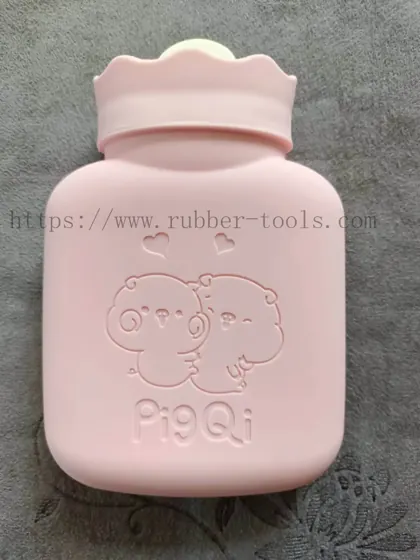
Rubber moulds designed and developed in an in-house mould manufacturing workshop with an experienced structural design engineer. Two mould types are made: compression moulds, suited to large parts with simpler designs, and transfer moulds, used for intricate designs and over-moulding. The moulds serve automotive seals and gaskets, medical flexible instruments and equipment parts, consumer goods including household items and toys, and construction seals, gaskets and insulation components.
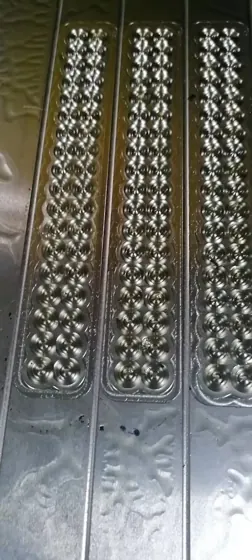
Key benefits
Why Buyers Choose This Specification
Compression or Transfer Chosen by the Part
Compression suits large, simple parts; transfer suits intricate geometry and over-moulding onto inserts. Choosing wrong means flash, short shots or an unmouldable part.
Design Engineer in the Same Workshop
An experienced structural design engineer working alongside the mould shop is what lets a part be designed for manufacture rather than corrected after the first tool.
Built for Repeated Production Cycles
Moulds are crafted to withstand repeated use without degrading, which is where the cost per part is actually decided over a tool's life.
Scales From Small to Large Runs
The same mould serves both small and large-scale production, which suits a product that starts small and grows.
Application scenarios
Where It Is Used
- Automotive seals, gaskets and other components
- Medical flexible instruments and equipment parts
- Consumer goods including household items and toys
- Construction seals, gaskets and insulation components
- Over-moulding rubber onto metal inserts
- Prototype tooling before a production mould
Who it is for
The Buyers This Product Suits
Automotive Component Buyers
Seals, gaskets and similar components are the classic compression moulded rubber part.
Medical Device Manufacturers
Flexible instruments and equipment parts are a named application, usually requiring transfer moulding for the detail.
Consumer Product Brands
Household items and toys are named applications where mould quality decides the finished appearance.
Problems it solves
What It Fixes
Intricate Parts That Will Not Compression Mould
Transfer moulds are the answer for intricate designs and over-moulding applications.
Moulds That Degrade Over Production
Moulds are designed to withstand repeated use, which is what keeps part quality stable through the tool's life.
No Design Capability for a New Part
An experienced structural design engineer designs and develops the mould in-house.
Specifications
Published Figures For This Product
Every value below comes from our own product specification. Where a figure is not published we leave it out rather than estimating it.
| Compression Moulds | Suitable for large parts with simpler designs |
|---|---|
| Transfer Moulds | Ideal for intricate designs and over-moulding applications |
| Automotive Use | Seals, gaskets and other components |
| Medical Use | Flexible instruments and equipment parts |
| Consumer Goods | Household items, toys and more |
| Construction Use | Seals, gaskets and insulation components |
| Capability | In-house mould workshop with structural design engineer |
| Scalability | Small and large-scale production |
| Grade | Compression and transfer |
Packing and documents
How It Ships And What Comes With It
Packing And Loading
Shipping volume for this item depends on the configuration and capacity you select, so no fixed container figure is published. Confirm the specification and the destination and a loading plan is issued with the quotation, rather than a figure we cannot support.
Documentation On File
- Rubber Seals and Plastics · Rubber and Plastic Products Specification Sheet20.1 KB
- Catalogue · Full Product Catalogue154.0 KB
Sourcing And Inspection
This product is supplied through TrueGlow Imaging, working with manufacturing partners whose facilities are visited and verified rather than taken on trust. In-process quality control and delivery supervision are available so goods are inspected before the container is sealed. Certifications quoted on this page are those stated on the product specification and belong to that product range rather than to our trading entity, so ask for the certificate covering your specific item.
Handling guide
Getting It Right First Time
Step 1
Choose compression for large simple parts and transfer for intricate geometry or over-moulding.
Step 2
Discuss part geometry before the mould is cut, since draft and parting line decide mouldability.
Step 3
Confirm the elastomer, because shrinkage differs between materials and is built into the mould.
Step 4
Run a first article and check it in assembly before releasing production.
Step 5
Clean and maintain the mould on schedule to protect part quality.
Comparison
How It Compares In Our Range
The two mould types and what each suits.
| Compression Moulds | Suitable for large parts with simpler designs. Lower tooling cost, longer cycle. |
|---|---|
| Transfer Moulds | Ideal for intricate designs and over-moulding applications, including rubber onto metal inserts. |
FAQ
Rubber Moulds Questions
Do you make your own moulds?
Yes. We have our own mould manufacturing workshop with an experienced structural design engineer who can independently design and develop rubber moulds.
Which mould types do you build?
Compression moulds for large parts with simpler designs and transfer moulds for intricate designs and over-moulding.
Which industries do you serve?
Automotive seals and gaskets, medical flexible instruments and equipment parts, consumer goods including household items and toys, and construction seals, gaskets and insulation.
Can the mould handle both small and large runs?
Yes. The moulds are suitable for both small and large-scale production.
How long does a mould last?
Moulds are designed to withstand repeated use. Life depends on the material moulded and the cycle count.
What do you need to quote a mould?
Part geometry, elastomer, expected annual volume and any insert requirement.
Related products
Other Products Buyers Look At
Industries
Sectors That Use This Product
Metal Fabrication and Machine Shops
Custom parts, tooling and the cranes that move them around the shop.
Food Packaging Lines
Depalletizing to palletizing, balanced against the filler in the middle.
Warehousing and Heavy Industry
Lifting from 250 kg to 360 tons, indoors on a runway or outdoors on legs.
Further reading
Guides That Cover This Product
Selecting an O-Ring Material NBR EPDM FKM or FFKM
Almost every seal failure is a material selection error rather than a dimensional one. The fluid and the temperature decide the elastomer, and the size is the easy part.
Quote Rubber Moulds
Send the capacity or size you need, the quantity and the destination, and we will confirm the configuration, the lead time and a loading plan.