
Material and Mould
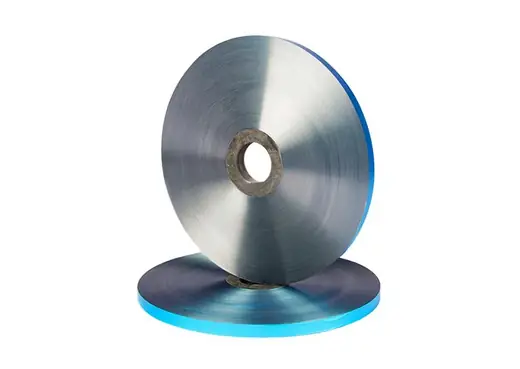
Single Side Aluminum Foil Composite Tape
AL PET Shielding Tape for Communication and Data Cable
View specifications →
Foil Braid Wire And Drain Wire Matched To One Construction
A shield is a system, not a component. The tape, the braid wire, the drain wire and the overlap all decide the final attenuation together, and changing one without the others is how shielding specifications quietly fail. This programme fixes all four against a single construction so repeat orders behave the same way.
Attenuation target and frequency band stated first — for example the 1 to 100 MHz band where these tapes are characterised.
AL/PET composite up to 70 dB with Mylar foil, or copper polyester at around 100 dB where the target is higher.
Wire grade from CCA, CCS, CCAM or Al-Mg and coverage percentage set against cost, weight and solderability.
Tinned copper gauge fixed, typically 0.4 or 0.5 mm², so grounding continuity is consistent.
Tape width from 2 mm and wire reels sized for your braider carriers.
Overlap and coverage checked on finished samples rather than on incoming material alone.
AL PET Shielding Tape for Communication and Data Cable
View specifications →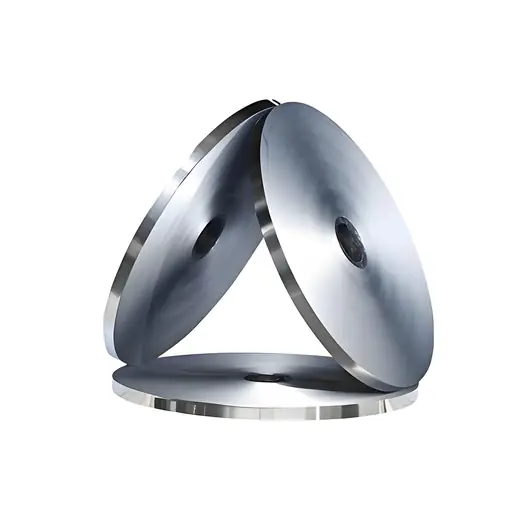
AL PET AL Three Layer Shield for Cable Production
View specifications →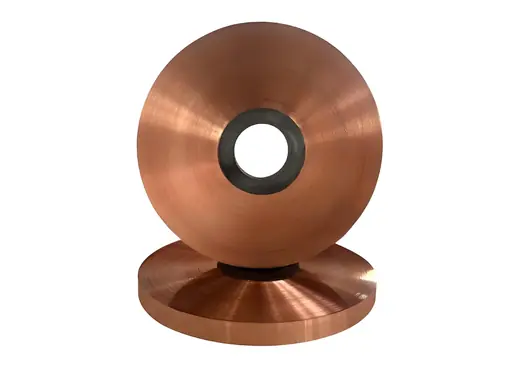
Copper Plastic Composite Tape With 100 dB Shielding
View specifications →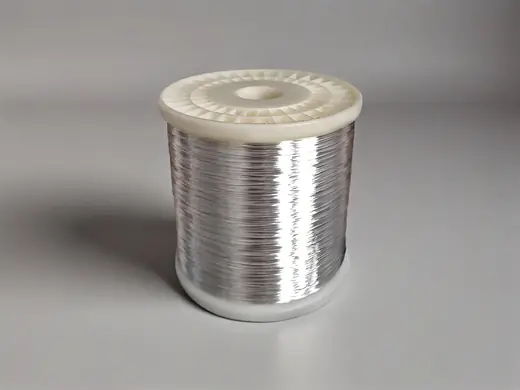
Lightest Braiding Wire With the Best Weight to Strength Ratio
View specifications →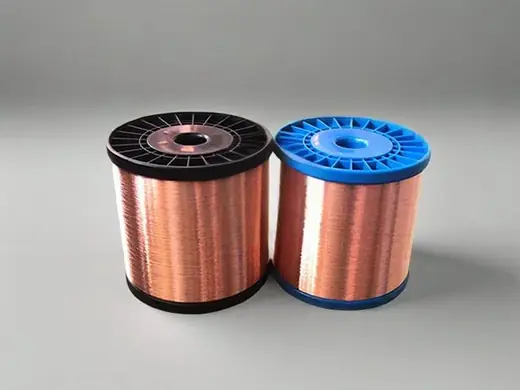
Stronger Than CCA for High Flex Data and HDMI Cable
View specifications →Aluminium composite tapes reach up to 70 dB when used with Mylar foil, and copper foil polyester tape reaches around 100 dB, both characterised in the 1 to 100 MHz range.
Al-Mg alloy wire, which has the best weight-to-strength ratio, though it is not solderable.
Tinned copper, typically 0.4 to 0.5 mm², depending on the construction.
Send the construction and volume. The specification is confirmed in writing first, and the quotation follows from it.