
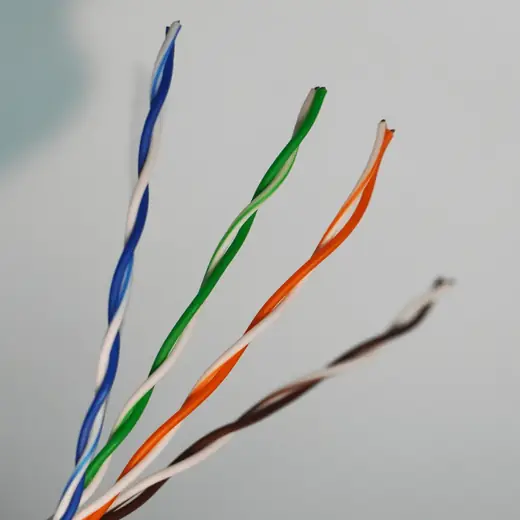
Semi-Finished LAN Cable
Semi-Finished UTP CAT5e LAN Cable
Unjacketed CAT5e Core for High Volume LAN Cable Production
View specifications →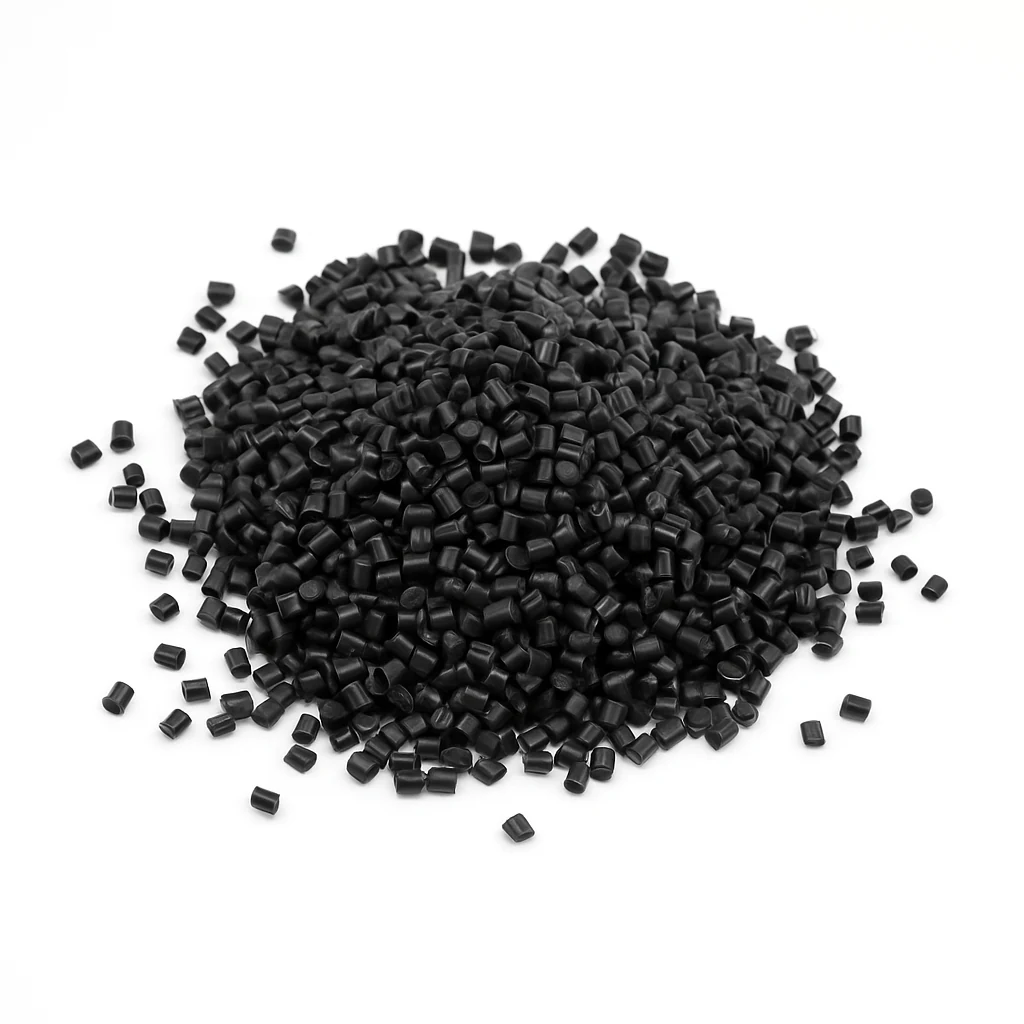
Jacket Compounds Matched to Environment and Fire Rules
The jacket is the layer that decides where a cable is allowed to be installed. We supply compound for coaxial and LAN cable jacketing across the full range — PVC for general indoor work, PE and HDPE for outdoor and buried runs, LSZH where smoke and halogen matter, TPE and PU for flexible or harsh duty, and FEP for high-temperature coaxial. Compounds can be formulated for flexibility, flame retardancy, temperature resistance, weather resistance and colour.
Material and Mould
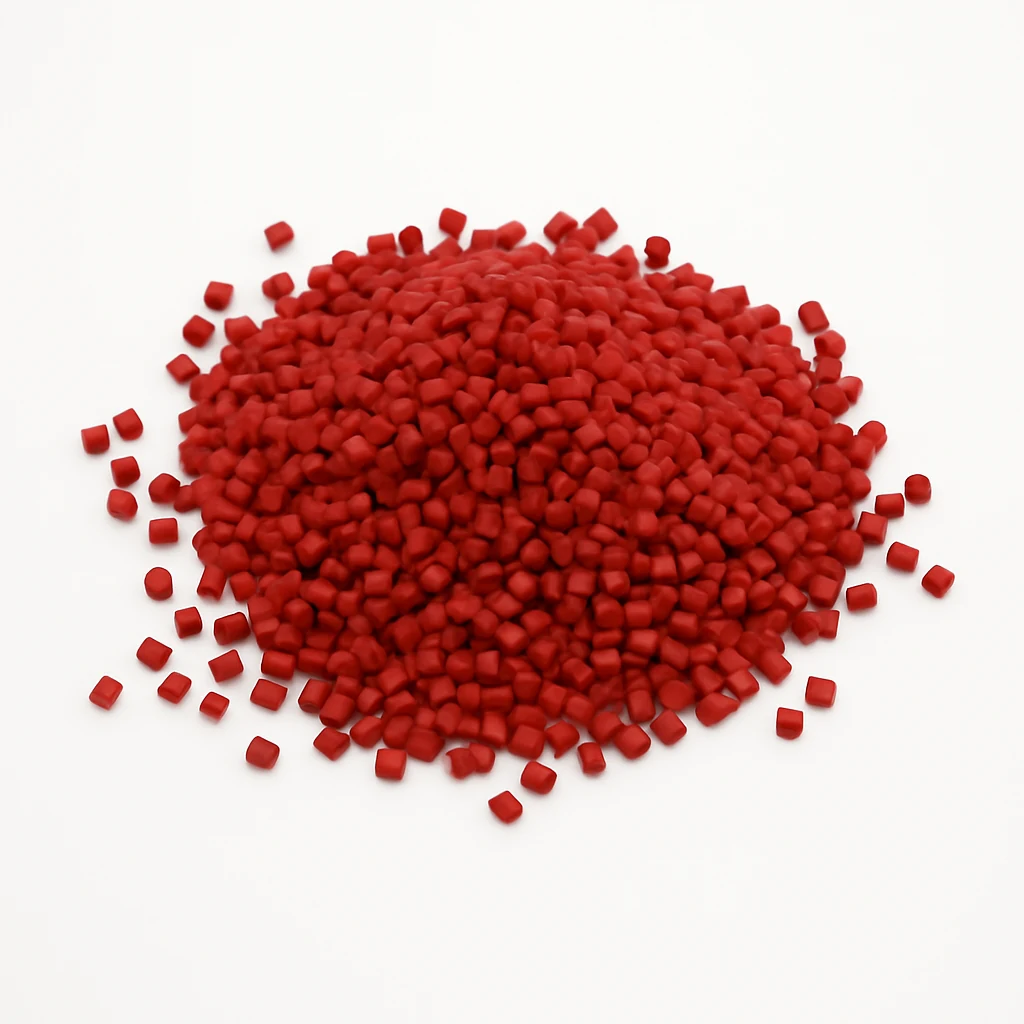
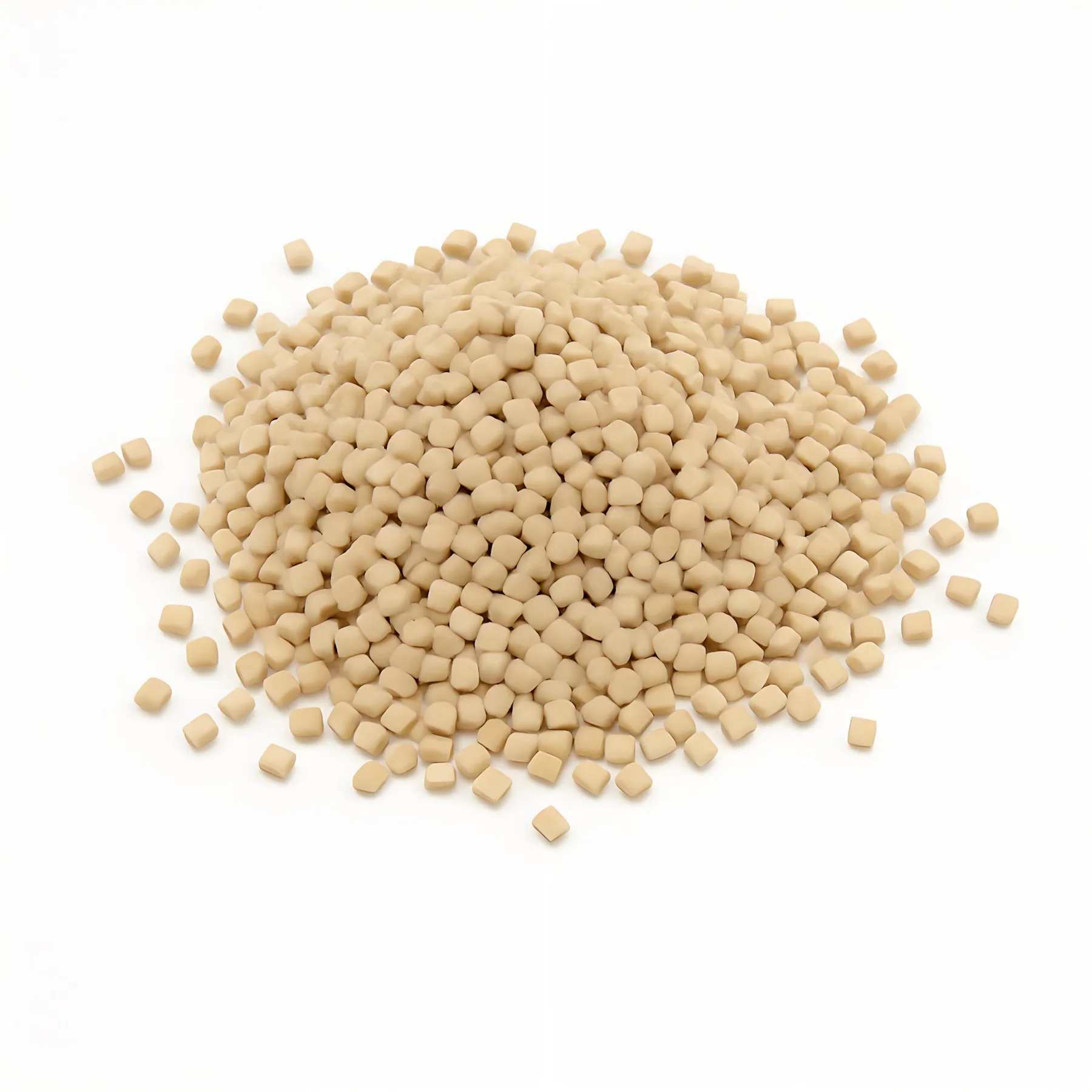
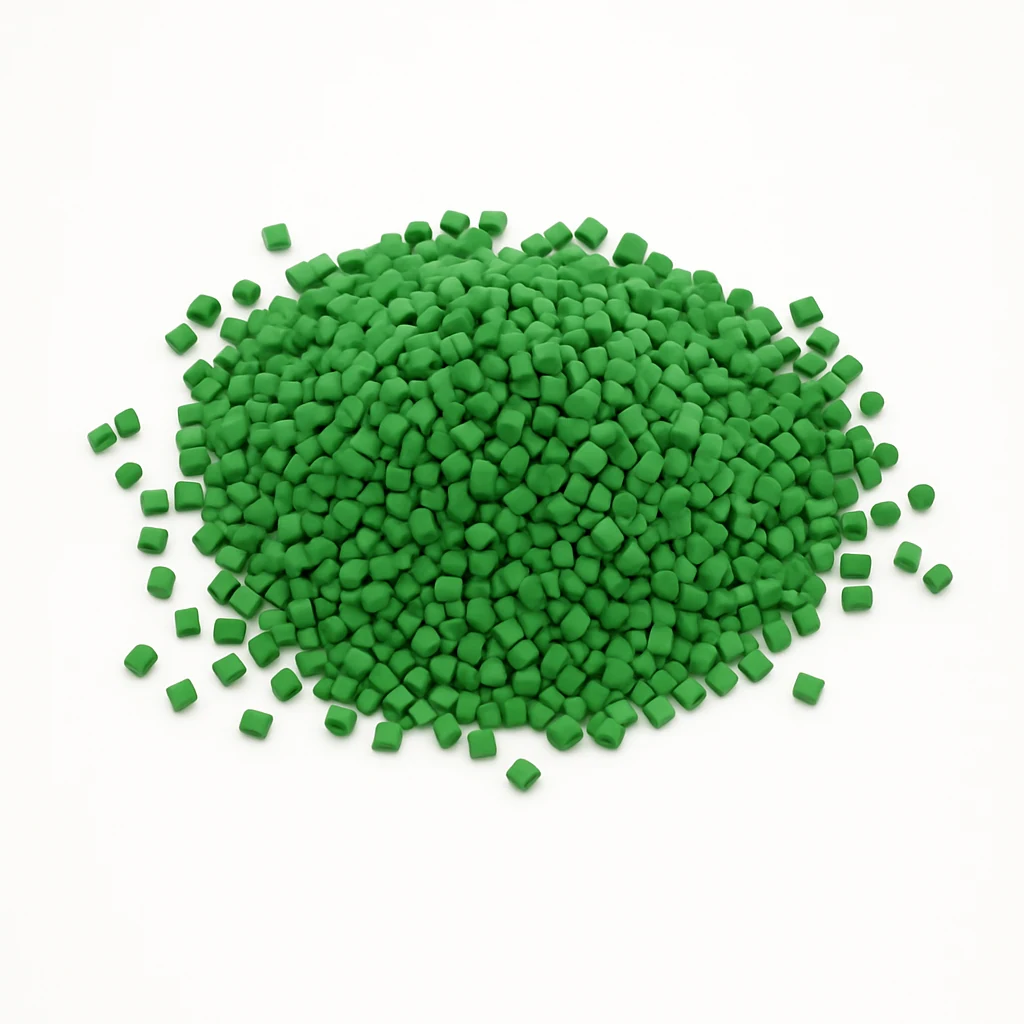
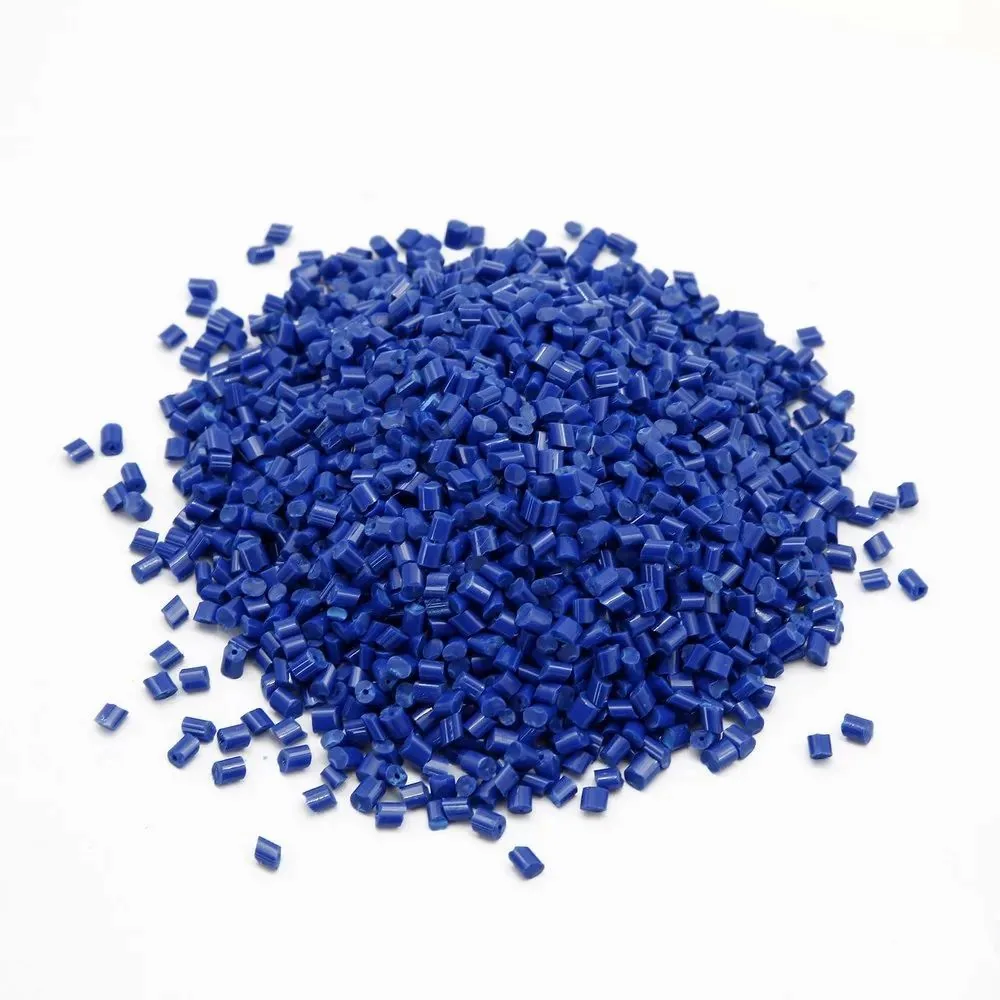
Indoor, outdoor, buried, fire-rated and high-flex each have a matching compound rather than one all-purpose grade.
Formulations can meet UL 94 V-0, IEC 60332 and other fire safety standards.
Well suited to extrusion and injection moulding, so the compound fits existing jacketing lines.
Flexibility, flame retardancy, temperature and weather resistance and colour are all formulated to the order.
Enclosed public areas call for low smoke and zero halogen. Choosing LSZH at the compound stage avoids a rejected installation.
PE and HDPE give the moisture and UV resistance that indoor PVC does not.
PU and TPU resist oil and abrasion in industrial environments where standard compound wears through.
No product certification is claimed for this item beyond the standards named in the specification table. Where a specific certificate is required for your market, ask before ordering and we will confirm what can be provided.
| Indoor use (home, office) | PVC is most common for both coaxial and LAN cables; LSZH where fire safety is important |
|---|---|
| Outdoor use (sunlight, rain) | PE or HDPE preferred for both LAN and coaxial cables |
| Direct burial | PE with water-blocking elements such as flooding gel or tape |
| Industrial or harsh environments | PU/TPU or TPE for oil, abrasion and mechanical resistance |
| High-frequency or high-temperature coaxial | FEP or other fluoropolymers |
| Flame Retardant Options | Can meet UL 94 V-0, IEC 60332 and other fire safety standards |
| Electrical Insulation | Suitable for low and medium voltage cable insulation |
| Processing | Well suited to extrusion and injection moulding |
Figures are the published specification for this product. Values outside this table are confirmed in writing before order rather than estimated.
Materials are produced to the stated thickness, width and formulation, then slit, wound and packed to the reel or core size ordered. Dimensional checks are made against the specification before dispatch.
Foil, film, compound or wire checked for thickness and surface condition before processing.
Coating, lamination, slitting or drawing to the ordered dimension.
Width, thickness and roll or reel diameter verified against the specification.
Shielding attenuation and conductivity referenced to the published figures for the grade.
Shaft or reel packing in cartons for safe handling and transport.
Cable Jacket Materials PVC Pellets sits inside the Material and Mould range. The products below are the closest alternatives or the parts most often ordered alongside it — compare the published specification tables rather than the descriptions when the choice is close.
Unjacketed CAT5e Core for High Volume LAN Cable Production
View specifications →
75 Ohm CATV Core Ready for Your Own Shielding and Jacket
View specifications →
Fine Gauge Insulation Line With Closed Loop OD Control
View specifications →PVC is the most common choice for both coaxial and LAN cable indoors, and LSZH is used where fire safety is important.
PE or HDPE for outdoor exposure, and PE with water-blocking elements such as flooding gel or tape for direct burial.
Flame retardant options can be formulated to meet UL 94 V-0, IEC 60332 and other fire safety standards.
PU or TPU, and TPE, because of their oil, abrasion and mechanical resistance.
Yes. Compounds are formulated for different levels of flexibility, flame retardancy, temperature resistance, weather resistance and colour.
Send the construction, grade and quantity you need. We confirm the specification in writing before quoting.