What Each Wire Is
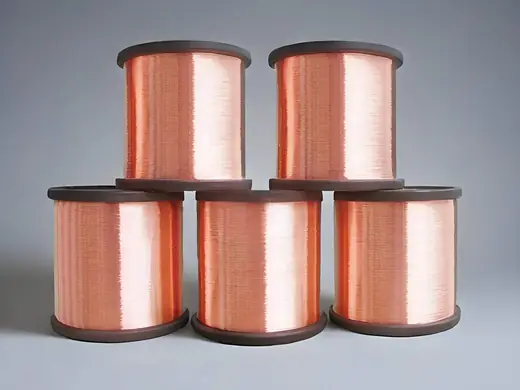
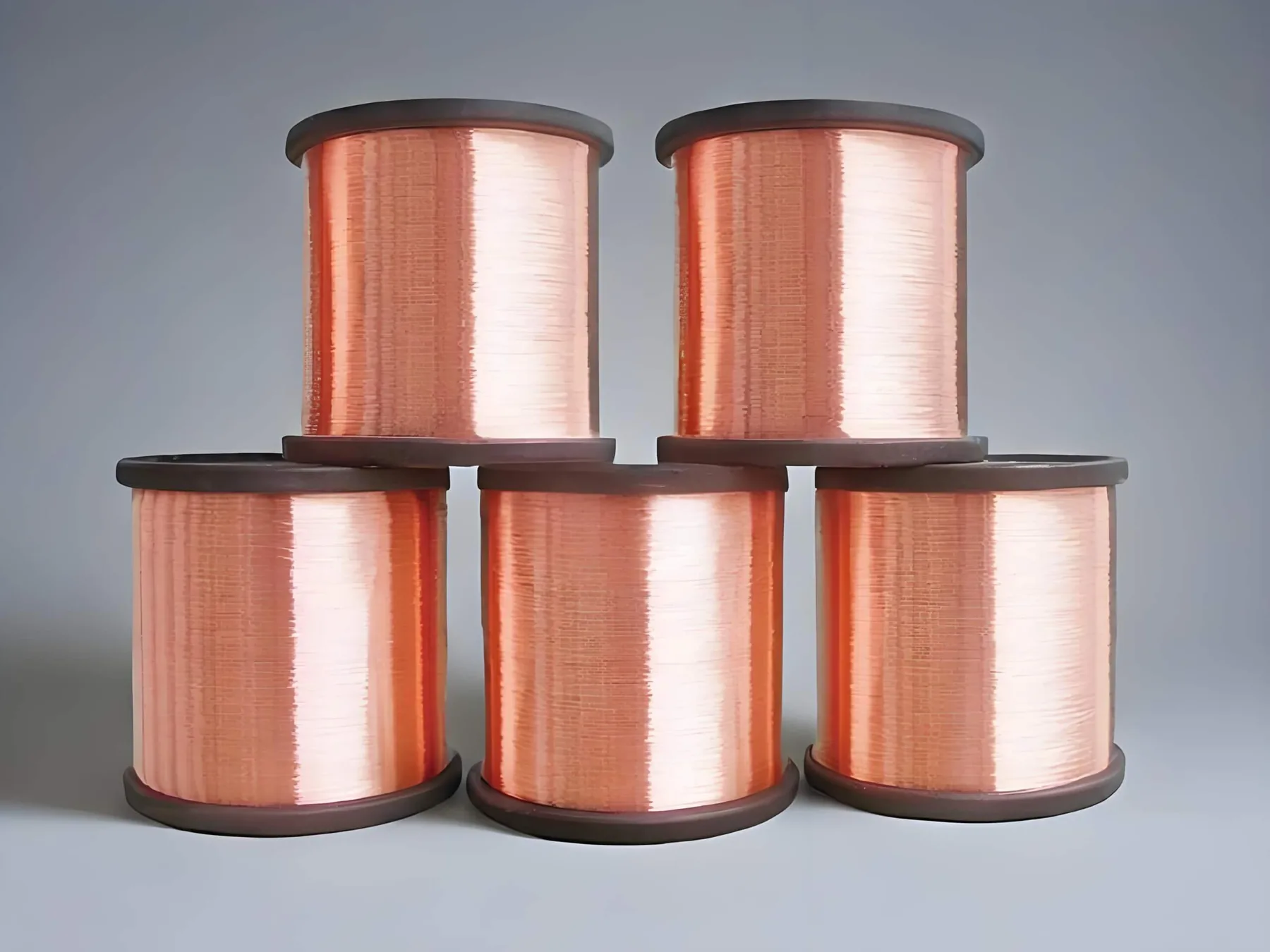
CCS is a steel core clad in copper. CCA is an aluminium core clad in copper. CCAM is an aluminium-magnesium alloy core clad in copper. Al-Mg is an aluminium-magnesium alloy with no cladding at all.
Conductivity
CCA leads at approximately 60 percent IACS, CCAM follows at 55 to 65 percent, Al-Mg sits at 50 to 60 percent and CCS is lowest at 20 to 40 percent. For a braided shield this matters less than for a conductor, which is why CCS is acceptable as a shield but questionable as a signal path.
Strength and Flexibility
CCS has very high tensile strength but poor flexibility. CCA is the opposite — low strength, moderate flexibility. CCAM lands in the middle with medium-high strength and good flexibility. Al-Mg has medium-high strength with excellent flexibility in soft temper.
Weight and Corrosion
CCS is the heaviest, CCA and Al-Mg the lightest. Corrosion resistance runs the other way: Al-Mg is excellent, CCAM better than CCA, CCS good thanks to the copper cladding, and CCA only moderate, which is why it needs protection in moist environments.
The Deciding Question Is Usually Solderability
The three copper-clad grades all solder normally because the surface is copper. Al-Mg does not solder at all. If the shield has to be soldered to a connector body, Al-Mg is out regardless of how attractive its weight looks.