
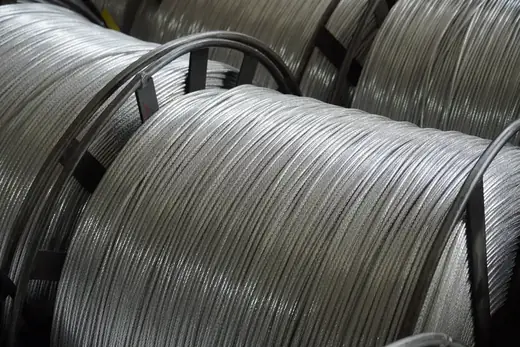
Semi-Finished Coaxial Cable
Semi-Finished Coaxial Cable RG174
Thin 50 Ohm Core for GPS Antenna and RF Module Wiring
View specifications →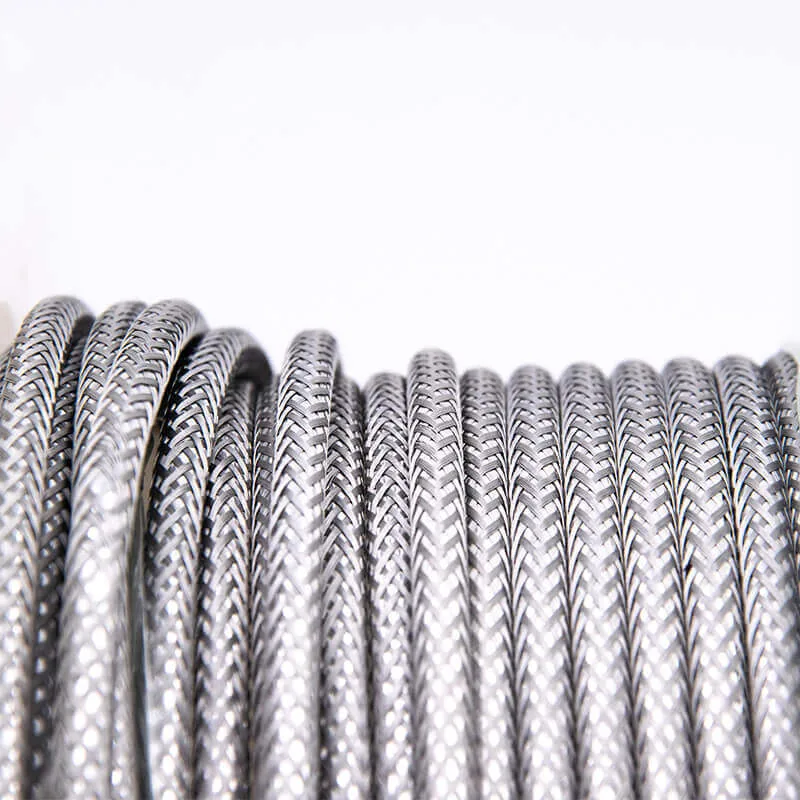
50 Ohm Core for High Power RF and Radio Transmission
RG8 is the 50 ohm heavy RF core: solid conductor, foamed insulation and the shield configuration you specify, with the outer jacket left for your line. A maximum operating voltage of 1900 V RMS and a DC to 1 GHz working range put it in two-way radio, base station feeds and industrial high-frequency links. Manufacturers order the core when the finished cable has to carry their own jacket compound, colour and branding.
Semi-Finished Coaxial Cable
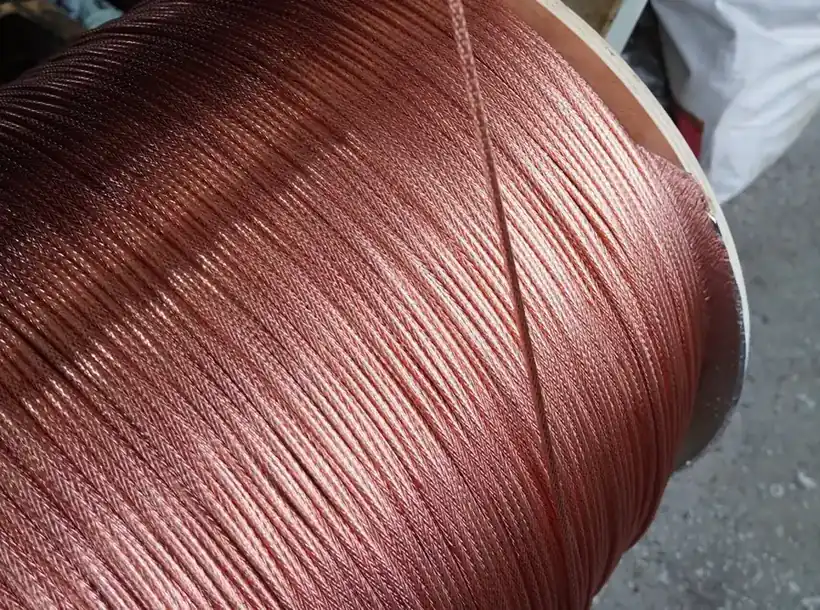
1900 V RMS maximum operating voltage suits transmitter feeds and repeater systems rather than signal-only runs.
Around 86.6 pF/m keeps loading low on long RF feeder runs.
Propagation velocity of 66 to 80 percent depending on the dielectric, with foamed PE at the higher end.
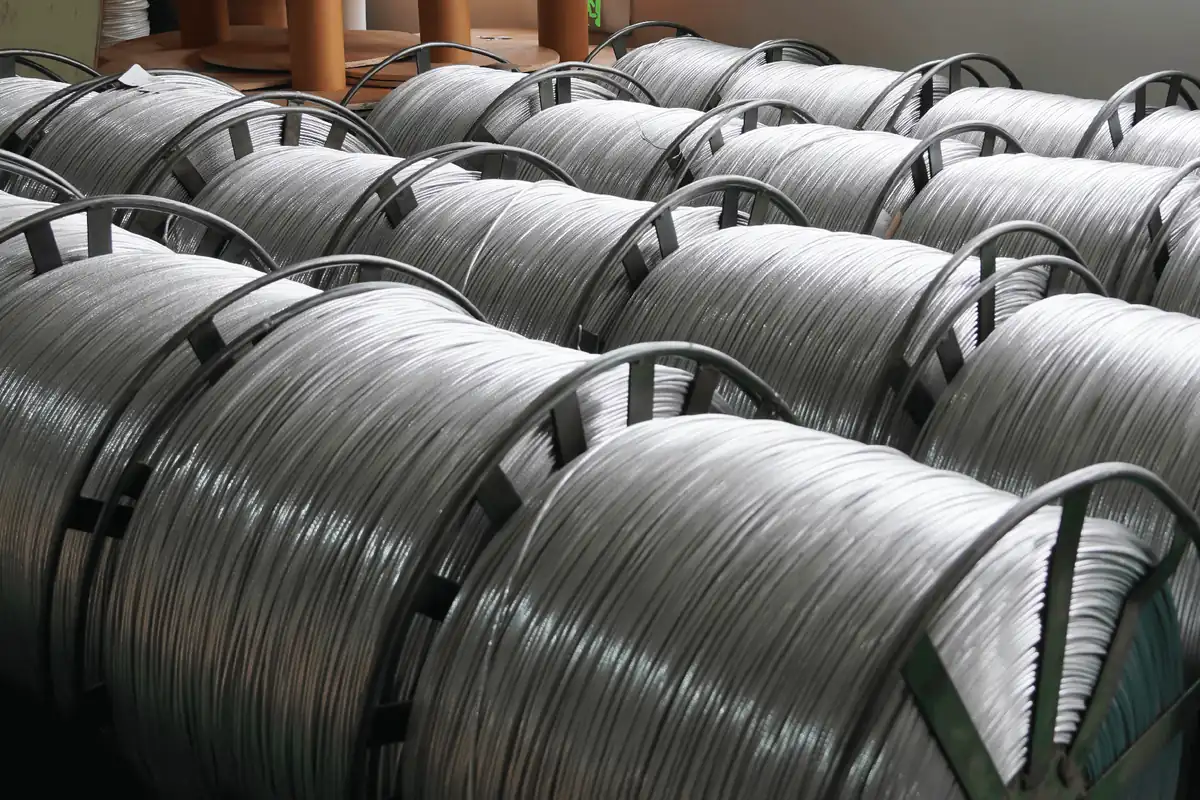
300 m, 500 m or 1000 m reels, with custom labelling or project branding on request.
Few plants can justify a dedicated 50 ohm foaming run. Core supply covers the orders you would otherwise decline.
Connectorised assemblies fail when the dielectric is deformed or the shield is contaminated. Film-wrapped reels arrive ready to strip.
Buying unjacketed keeps jacket colour, print and compound entirely in your control.
No product certification is claimed for this item beyond the standards named in the specification table. Where a specific certificate is required for your market, ask before ordering and we will confirm what can be provided.
| Characteristic Impedance | 50 Ω |
|---|---|
| Capacitance | ~26.4 pF/ft (~86.6 pF/m) |
| Velocity of Propagation | 66–80% depending on dielectric |
| Attenuation @ 100 MHz | ~2.2 dB/100 ft (~7.2 dB/100m) |
| Maximum Operating Voltage | 1,900 V RMS |
| Frequency Range | DC – 1 GHz or higher |
| Length per Reel | 300 m / 500 m / 1000 m, customisable |
| Reel Type | Plastic, ABS or wooden reels |
| Net Weight | ~25–35 kg per 500 m |
| Outer Jacket | Not included |
Figures are the published specification for this product. Values outside this table are confirmed in writing before order rather than estimated.
Production runs from conductor preparation — rod drawing, annealing, stranding and surface cleaning — through foamed insulation extrusion with controlled cell size and on-line diameter monitoring, then foil wrapping and braiding to the shield specification ordered. The line stops before jacket extrusion.
Rod drawing, annealing and surface cleaning so the insulation bonds without microvoids.
Insulation thickness and concentricity monitored continuously on line during extrusion.
Foil overlap and braid coverage checked against the ordered shield construction.
Impedance and attenuation sampled against the published values for the construction.
Reels wrapped in plastic film against moisture and dust, then cartoned or palletised.
Semi-Finished Coaxial Cable RG8 sits inside the Semi-Finished Coaxial Cable range. The products below are the closest alternatives or the parts most often ordered alongside it — compare the published specification tables rather than the descriptions when the choice is close.
Thin 50 Ohm Core for GPS Antenna and RF Module Wiring
View specifications →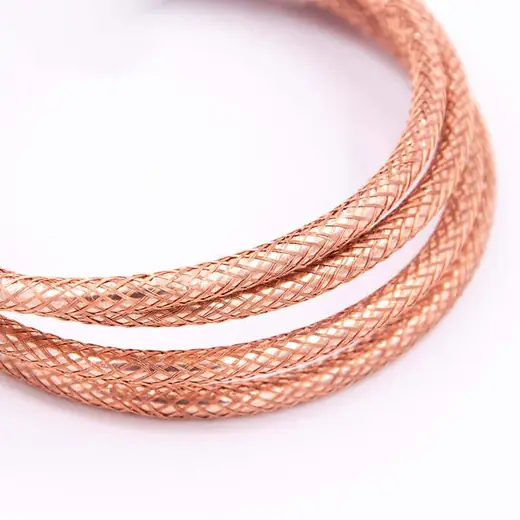
Low Loss 75 Ohm Trunk Core for Long Distance Distribution
View specifications →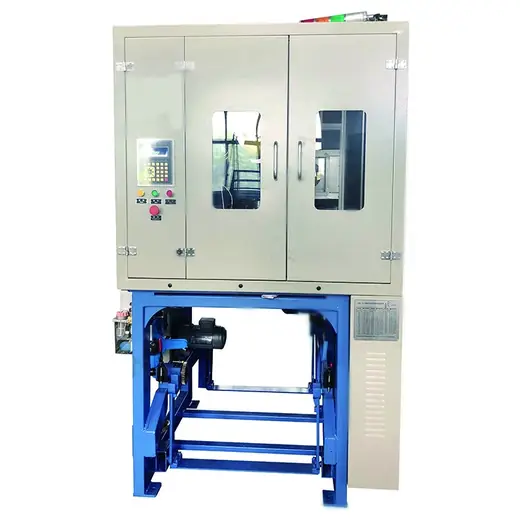
Two Braid Layers in One Pass at up to 130 RPM
View specifications →RG8 is a 50 ohm construction intended for RF power, antenna feeds and radio systems, where 75 ohm cable would mismatch the equipment.
Maximum operating voltage is 1,900 V RMS, suited to high-voltage RF environments.
300 m, 500 m and 1000 m, with other lengths produced to order.
Yes. Custom labels or project branding are applied on request.
Roughly 7.2 dB per 100 m, equivalent to about 2.2 dB per 100 ft.
Send the construction, grade and quantity you need. We confirm the specification in writing before quoting.