Start With an Attenuation Target and a Band
A shielding claim without a frequency band cannot be verified. The tapes described here are characterised in the 1 to 100 MHz range: aluminium-polyester composites reach up to 70 dB when used with Mylar foil, and copper foil polyester tape reaches around 100 dB.
Single Sided or Double Sided
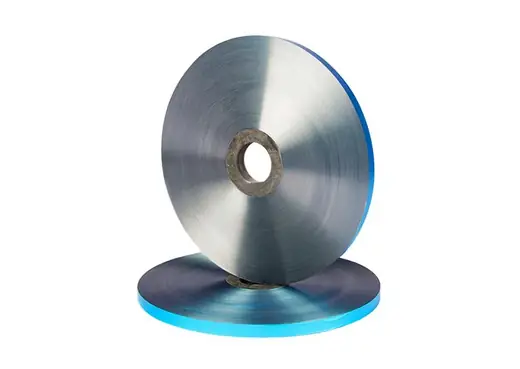
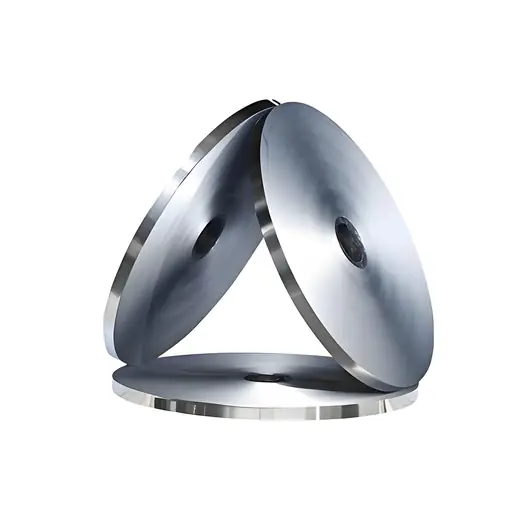
Single-sided AL/PET is aluminium bonded to polyester film — the everyday shield wrap. Double-sided AL/PET/AL puts foil on both faces of a PET core, which shields regardless of tape orientation and resists elongation during cable twisting and extrusion.
When Copper Earns Its Cost
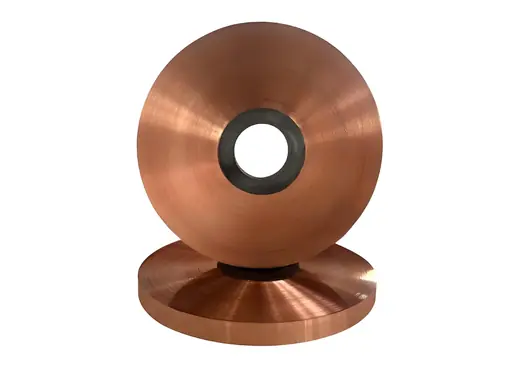
Copper polyester tape is copper foil bonded to PET, available in 12, 15, 18 and 20 µm foil with 12 to 23 µm film. It is specified for shielded cables with high performance requirements — computer, signal, communication and coaxial cable, and FPC or soft circuit boards.
Adhesive Foils Solve Different Problems
Self-adhesive aluminium foil with a release liner is used where the tape has to stay put without a taping head: shielding repairs, jacket reinforcement and anti-interference wrapping. A conductive adhesive version is available where the bond itself must carry current.
Mechanical Details That Decide the Order
Slitting width from 2 mm with 5 mm conventional, bore sizes of 52 or 76 mm for composite and copper tapes and 53 or 76 mm for adhesive foils, and a maximum wound outer diameter of 800 mm. Match these to your taping head before choosing a colour.