Industry Application
Mining and Heavy Industry
Trailing cable surface substations steel plants cement works and petrochemical distribution
Industry Pain Points
What Goes Wrong in This Sector
Cable Damage Is Continuous Not Occasional
Trailing and reeling cable in a mine is abraded crushed and dragged every shift. Repair is a routine maintenance activity not an emergency.
Dust Deposition Causes Flashover on Outdoor Terminations
Cement and mineral dust builds a conducting film that shortens the effective creepage path.
Downtime Is Measured in Tonnes Not Minutes
A failed MV feeder in a steel plant or a mine stops production immediately.
Maintenance Teams Do Their Own Jointing
Site electrical departments hold their own spares and cannot wait for a contractor.
Customer Requirements
What Buyers in This Sector Actually Need
- Heavy wall repair products that survive an abrasive environment
- Rain sheds sized for heavy dust deposition on outdoor terminations
- MV kits held on site so a maintenance team can respond immediately
- Busbar insulation for switchgear in dusty condensing switchrooms
- A simple selection method that a maintenance electrician can follow
Products
Products That Suit This Sector
The parts of our range that this industry buys most often
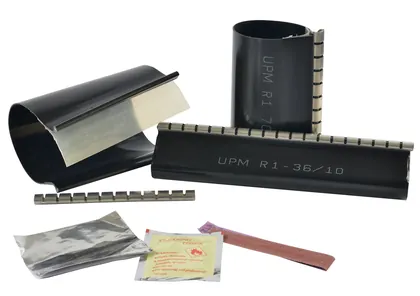
R1 Repair Sleeve
A rail and channel closure sleeve that repairs a damaged cable jacket without cutting the cable or removing the terminations
VIEW DETAILS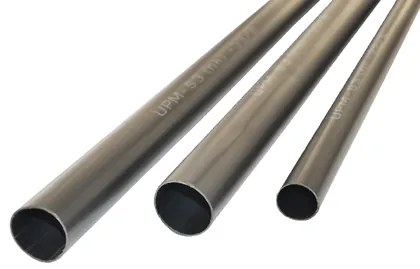
S3(nh) Heavy Wall HF
Thickened halogen free polyolefin tubing where the same fire performance is needed with far more mechanical protection
VIEW DETAILS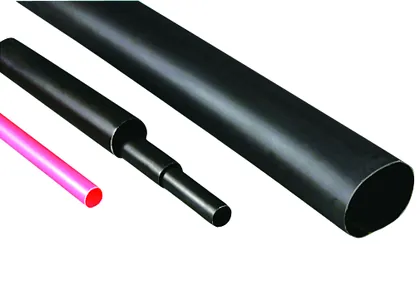
S3(h) Heavy Wall FR
The toughest tube in the S3 family combining flame retardant marine formulation with a thickened heavy wall
VIEW DETAILS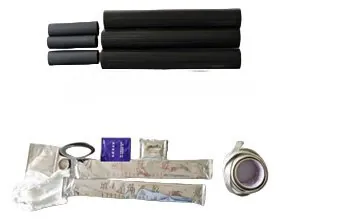
MV Kits 8.7/15 kV
Indoor outdoor and joint kits for 8.7/15 (17.5) kV single core and three core cable tested to IEC 60502-4
VIEW DETAILS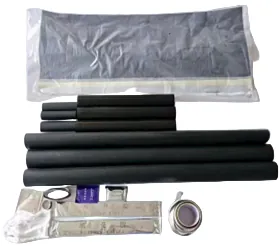
MV Kits 26/35 kV
The highest voltage class in the range covering 26/35 (40.5) kV single core and three core cable to 630 mm²
VIEW DETAILS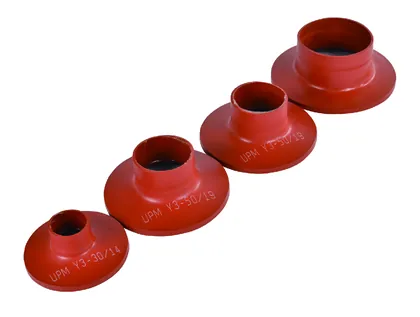
Y3 Rain Sheds
Red anti tracking skirts with mastic collars that build creepage distance on outdoor terminations from 1 kV to 36 kV
VIEW DETAILS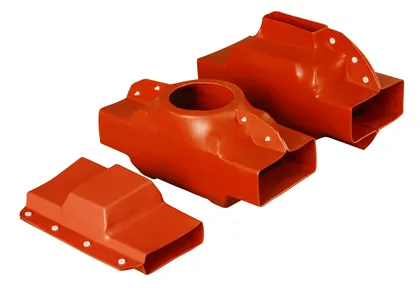
S1-B Lap Joint Cover
Molded clip open covers that insulate bolted busbar joints and still allow inspection without damaging the connection
VIEW DETAILSTypical Scenarios
Where These Products Are Installed
Trailing Cable Jacket Repair
Wraparound sleeves restoring cable that is still connected at both ends.
Surface Substation Terminations
MV terminations with additional rain sheds for heavy dust deposition.
Steel Plant Feeder Joints
MV joints in high ambient temperature and mechanically abusive locations.
Cement Works Outdoor Terminations
Terminations exposed to continuous dust fallout.
Switchroom Busbar Reinsulation
Insulated bar and joint covers after a condensation or animal fault.
Conveyor and Crusher Power Cable
Cable protection in the most abused positions on site.
Solution Process
How We Work with This Sector
-
01
Survey the Failure Pattern
Where is cable actually failing and why. Repair frequency tells you more than a specification does.
-
02
Match Wall Class to Abuse Level
Heavy wall products for the continuously abraded positions medium wall elsewhere.
-
03
Size the Shed Count to the Dust Load
Heavy deposition sites need four to six sheds per phase rather than two.
-
04
Set a Site Stock Holding
A defined holding of sleeves tape and kits so maintenance never waits.
-
05
Train the Maintenance Electricians
Illustrated instruction sheets plus a WhatsApp video walkthrough for the site team.
-
06
Review After One Maintenance Cycle
Adjust the holding and the product mix against what was actually consumed.
Delivery Capability
What We Commit to
- Heavy wall grades for abrasive and buried positions
- Site stock holdings sized against actual consumption
- Rain shed counts calculated for heavy dust deposition
- Illustrated instructions written for a maintenance electrician not a specialist jointer
- Repeat orders from the same specification so nothing changes between batches
Case Studies
Projects in This Sector
Trailing Cable Repair Programme at an Open Pit Mine
Site stock sized against actual consumption instead of a forecast
READ CASE →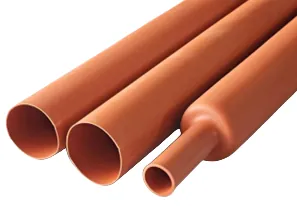
Outdoor Termination Upgrade at a Cement Works
Shed count raised from two to five per phase against measured dust deposition
READ CASE →Knowledge
Related Technical Articles
Emergency Cable Jacket Repair Guide
How to decide whether a cable can be repaired and how to make the repair last
READ →Medium Wall Versus Heavy Wall Heat Shrink Tubing
When the extra wall thickness earns its cost and when it is money spent on stiffness you do not want
READ →How Many Rain Sheds Does an Outdoor Termination Need
Pollution class not voltage alone decides the count and the default is usually too low
READ →FAQ
Mining and Heavy Industry Frequently Asked Questions
How many repairs can one cable take before it should be replaced
Which product repairs a trailing cable that is still connected
How many rain sheds for a cement works termination
Can our own electricians install these products
What should we hold in site stock
Do you supply for high ambient temperature areas
Still need an answer ask our engineers on WhatsApp
Talk to Us About Mining and Heavy Industry
Send your cable schedule drawing or specification and we will return part numbers quantities and a lead time.