Solution
Emergency Cable Repair
Restoring a damaged jacket in place without cutting the cable or disturbing the terminations
The Problem
Why This Is Harder Than It Looks
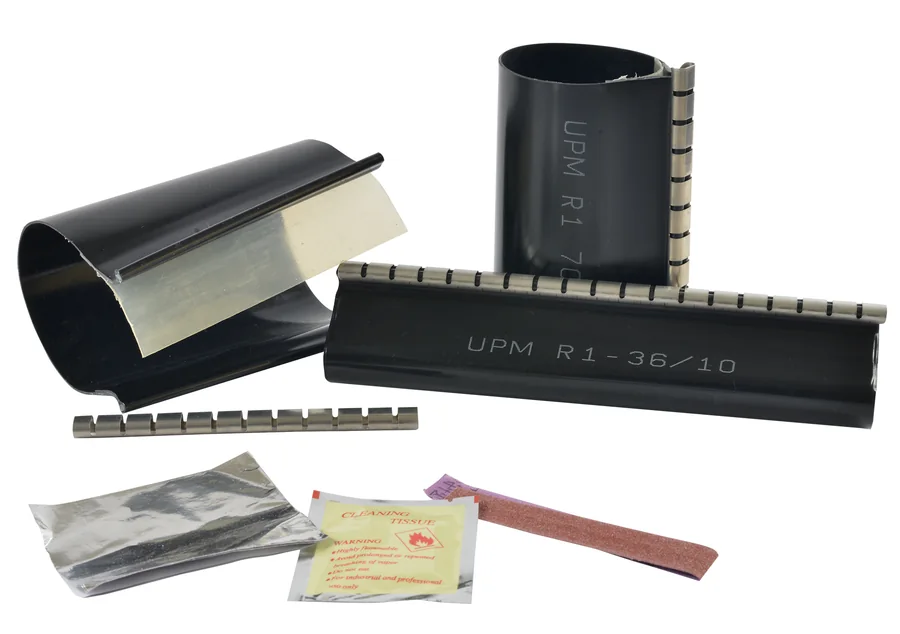
Most cable damage is jacket damage. An excavator bucket a dropped load or a duct pull takes the outer sheath off without ever reaching the core insulation. Cutting that cable out and installing two joints is an expensive answer to a problem that a wraparound sleeve solves in twenty minutes.
Process
From Requirement to Delivered Product
Design material selection prototyping production quality control packing logistics and after sales
-
01
Assessment
The first decision is whether the damage is jacket only. If the core insulation the metallic screen or the conductor is damaged the section must be cut out and jointed.
-
02
Material Selection
Regular cylindrical damage takes an R1 wraparound sleeve which is faster and stronger. Irregular or branched geometry takes T1 heat shrink tape.
-
03
Preparation
Clean at least 100 mm of sound jacket each side of the damage and lightly abrade so the adhesive keys. In a salt environment wash the salt off first.
-
04
Application
Wrap the sleeve and engage the rail and channel closure along the full length or half lap the tape from sound material to sound material.
-
05
Quality Control
A continuous adhesive bead at both ends and along the closure is the check that the repair is sealed.
-
06
Documentation
Record the repair position and date. A jacket repair does not reduce the electrical life of the cable but the network record should show it.
-
07
Stock Replenishment
Repair consumables are a routine maintenance item on abused cable. We size a site holding against actual consumption.
-
08
After Sales
If a repair fails we want to know why. Nine times out of ten it is surface preparation and that is fixable with a five minute conversation.
Products
Products Used in This Solution
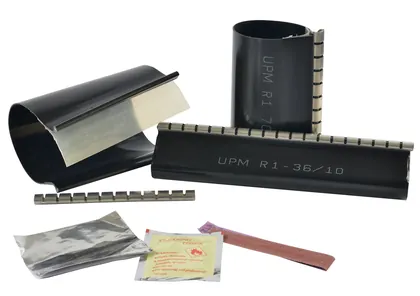
R1 Repair Sleeve
A rail and channel closure sleeve that repairs a damaged cable jacket without cutting the cable or removing the terminations
VIEW DETAILS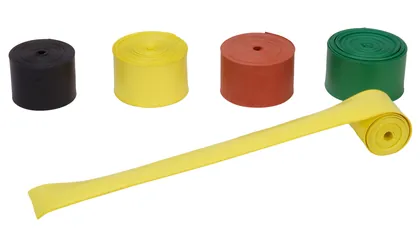
T1 Heat Shrink Tape
Adhesive lined heat shrink tape that seals and insulates irregular shapes where no tube or sleeve will fit
VIEW DETAILS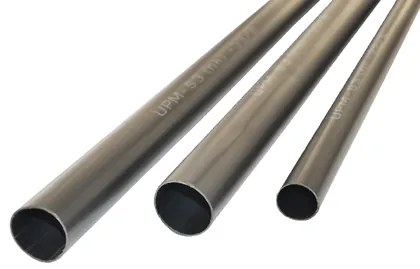
S3(nh) Heavy Wall HF
Thickened halogen free polyolefin tubing where the same fire performance is needed with far more mechanical protection
VIEW DETAILS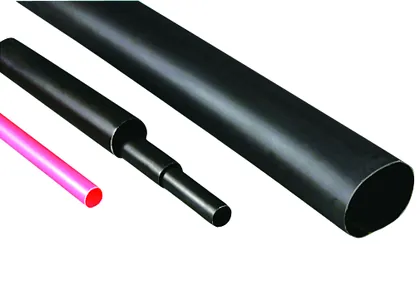
S3(h) Heavy Wall FR
The toughest tube in the S3 family combining flame retardant marine formulation with a thickened heavy wall
VIEW DETAILS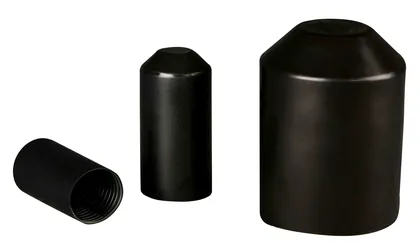
Y2 Cable End Caps
Adhesive lined molded caps that seal a cut cable end against water ingress during storage transport and installation
VIEW DETAILSOutcomes
What You Get
- An installed cable repaired without cutting or removing terminations
- Abrasion and corrosion resistant outer layer rather than a cosmetic cover
- A watertight repair sealed with pre coated adhesive on both products
- Lengths to 1.5 m so a long damaged section is covered in one piece
- No cure time so the cable is back in service as soon as the repair cools
FAQ
Emergency Cable Repair Frequently Asked Questions
How do I know if the damage is jacket only
Can a wraparound sleeve be used on an installed cable
Is a taped repair permanent
What is the most common cause of a failed repair
Can a repair be made in a wet trench
What should we hold in site stock
Still need an answer ask our engineers on WhatsApp
Other Solutions
Explore the Rest
Medium Voltage Cable Jointing
Rebuilding insulation screen and sealing across a jointed conductor from 6 kV to 36 kV
Cable Termination Indoor and Outdoor
Field grading anti tracking insulation and creepage from 0.6/1 kV to 26/35 kV
Switchgear and Busbar Insulation
Raising internal clearance inside compact switchgear and covering the joints a tube cannot reach
OEM and Private Label Kits
Kits packed to your bill of materials with your brand on the carton the instruction sheet and every bag
Custom Formulation and Tooling
Changing a wall thickness a shrink ratio a colour or a molded shape when the catalogue does not fit
Start a Conversation About Emergency Cable Repair
Send a drawing a cable schedule or a photograph. Our engineers answer directly on WhatsApp with no sales gatekeeper.