
Fiber Optic Patchcord
Factory-terminated jumpers that turn a planned link budget into a working one
All 11 Fiber Optic Patchcord Products
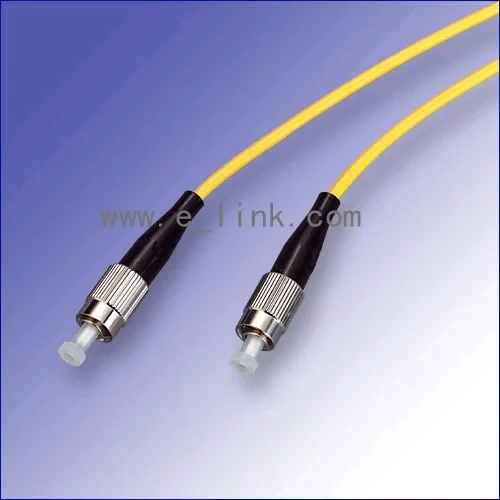
FC/UPC-FC/UPC SM Simplex Patchcord
The FC fiber optic cable is available in both singlemode and multimode versions, and is fully intermateable with NTT-FC products.
View Details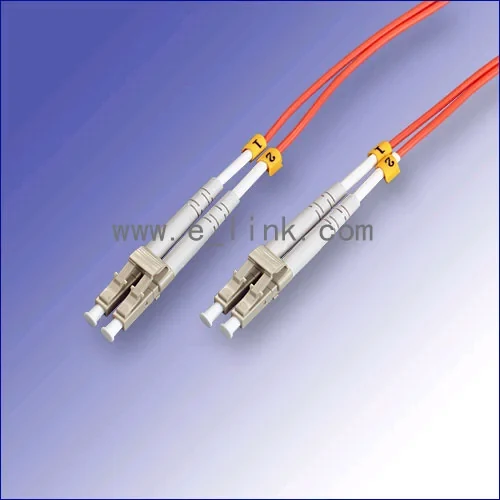
LC/PC-LC/PC 62.5/125 MM Duplex Patchcord
We offer LC fiber cables and LC fiber patch, including single mode 9/125 and multimode 50/125, multimode 62.5/125, LC-LC, LC-SC, LC-ST, LC-MU, LC-MTRJ, LC-MPO.
View Details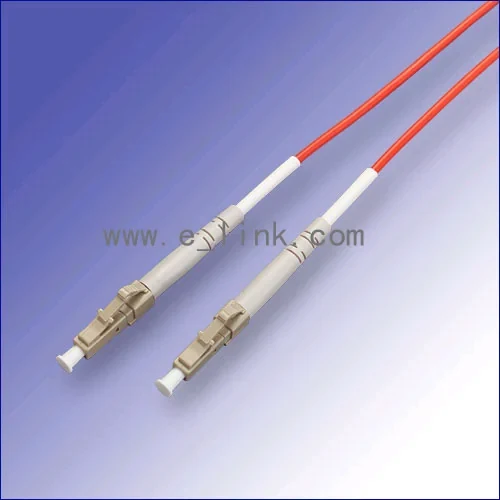
LC/PC-LC/PC 62.5/125 MM Simplex Patchcord
We offer LC fiber cables and LC fiber patch, including single mode 9/125 and multimode 50/125, multimode 62.5/125, LC-LC, LC-SC, LC-ST, LC-MU, LC-MTRJ, LC-MPO.
View Details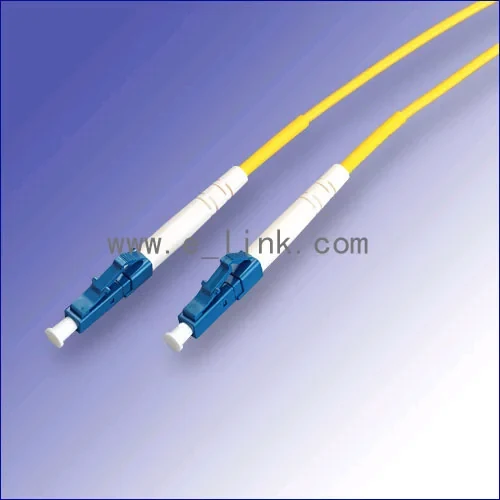
LC/UPC-LC/UPC SM Simplex Patchcord
We offer LC fiber cables and LC fiber patch, including single mode 9/125 and multimode 50/125, multimode 62.5/125, LC-LC, LC-SC, LC-ST, LC-MU, LC-MTRJ, LC-MPO.
View Details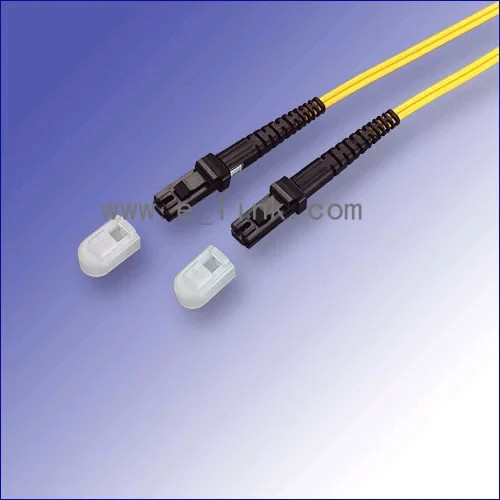
MT-RJ/UPC-MT-RJ/UPC SM Duplex Patchcord
The singlemode or multimode MT-RJ fiber cable available from Huihong are used in two fiber applications and are well suited for high density applications.
View Details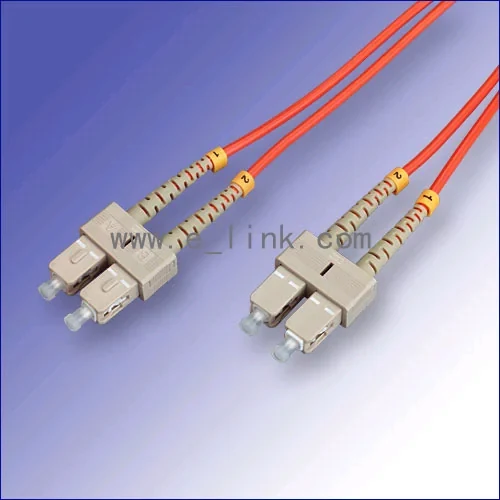
SC/PC-SC/PC 62.5/125 MM Duplex Patchcord
SC fiber cable is one of the earliest stype and one of the most commonly used fiber optic cable, it is convenient to use and cost saving - It is the most cheapest.
View Details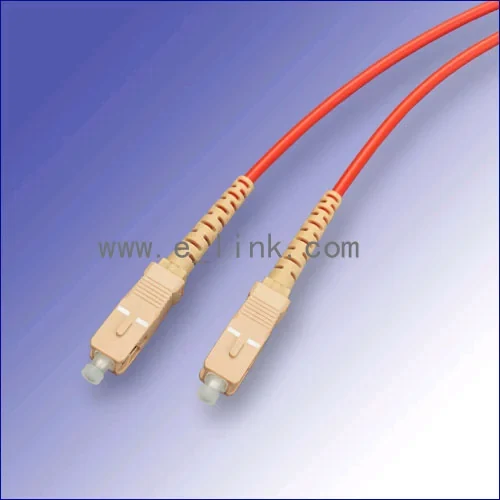
SC/PC-SC/PC 62.5/125 MM Simplex Patchcord
SC fiber cable is one of the earliest stype and one of the most commonly used fiber optic cable, it is convenient to use and cost saving - It is the most cheapest.
View Details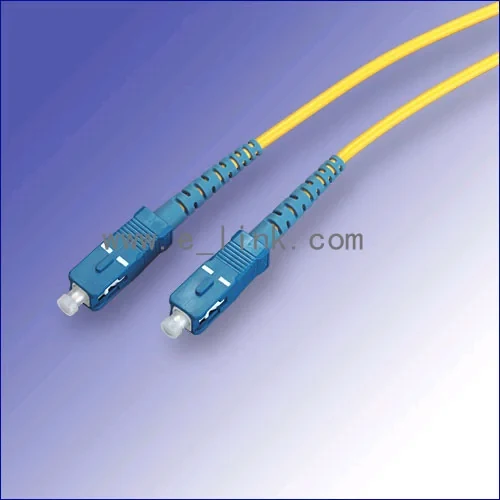
SC/UPC-SC/UPC SM Simplex Patchcord
SC fiber cable is one of the earliest stype and one of the most commonly used fiber optic cable, it is convenient to use and cost saving - It is the most cheapest.
View Details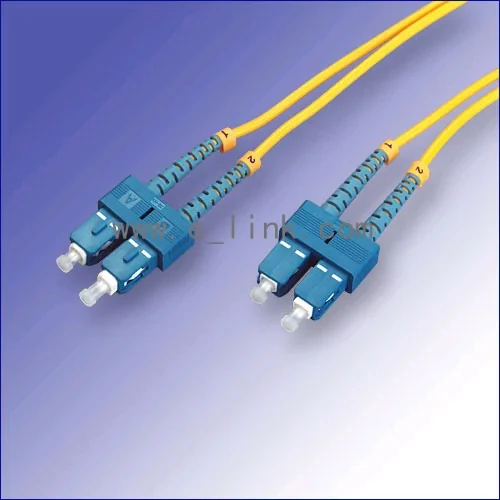
SC/UPC-SC/UPC SM Duplex Patchcord
UPC polish, single mode, duplex. Used for connecting transceivers to an optical distribution frame in a data hall.
View Details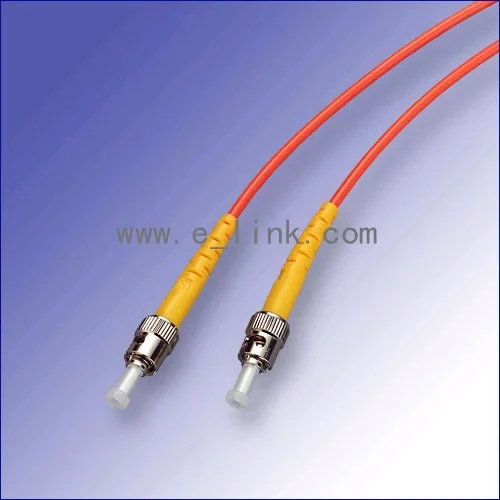
ST/PC-ST/PC 62.5/125 MM Simplex Patchcord
ST fiber cable connector has a bayonet-style housing and a long spring-loaded ferrule hold the fiber.
View Details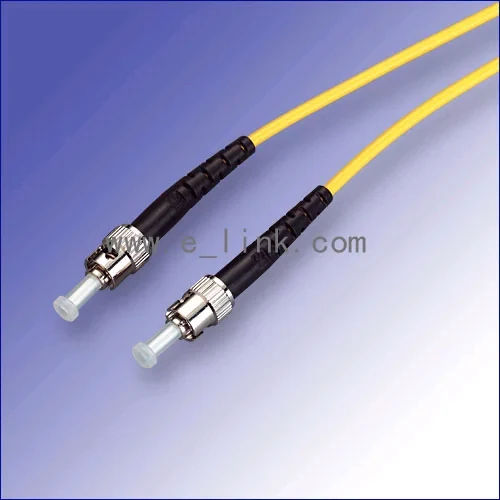
ST/UPC-ST/UPC SM Simplex Patchcord
ST fiber cable connector has a bayonet-style housing and a long spring-loaded ferrule hold the fiber.
View DetailsFiber Optic Patchcord In Practice
A patch cord is the part of the network a technician actually touches. Every re-patch, every equipment swap and every fault-finding session goes through it, which is why a cord that holds its end-face geometry after two hundred matings is worth more than the few cents saved on a cheaper one.
Problems This Range Solves
- Link budgets that pass on paper and fail on site because connector loss was assumed rather than measured
- Cords that drift out of spec after repeated re-patching in an active patch field
- Mixed connector estates where the equipment port and the distribution frame never match
- Jacket ratings that fail a building inspection after the cabling is already installed
- Long lead times on non-standard lengths, which stall a commissioning window
Who It Is For
- FTTH and access network operators patching between splitter shelves and subscriber feeds
- Data-center and enterprise cabling contractors building out patch fields
- System integrators commissioning transmission and monitoring equipment
- Distributors who need one supplier for a full connector and polish matrix
- OEM equipment makers bundling cords with their own hardware
Where It Is Used
- Patching optical line terminals to splitter shelves inside a central office
- Connecting transceivers to an optical distribution frame in a data hall
- Cross-connecting between patch panels in a campus riser
- Building portable test leads for field engineering kits
- Stocking spares for network maintenance crews
What You Get From Our Fiber Optic Patchcord
Advantages
- Factory termination and polishing under controlled conditions, not a crimp done on a ladder
- One supplier for every mainstream connector, polish and fiber-mode combination
- Custom lengths, so cable management does not depend on coiling two spare meters behind a rack
- Consistent boot and jacket color coding, which keeps a dense patch field readable
- Bulk packing options that suit a rollout rather than a single repair
Technical Features
- Zirconia ceramic ferrule with pre-polished end face
- Spring-loaded ferrule assembly to maintain physical contact under load
- Bend-controlled boot to protect the fiber at the connector exit
- Jacket and boot color coded by polish type for quick field identification
- Individually bagged and end-capped so end faces stay clean until installation
Materials
- Zirconia ceramic ferrule
- Copper alloy or stainless coupling hardware
- PVC, LSZH or OFNP jacket depending on the building code that applies
- Aramid yarn strength members
- Thermoplastic boot and housing
Customization Options
- Any length from short equipment jumpers to long riser runs
- Mixed connector types on each end for equipment-to-frame transitions
- UPC or APC polish specified per end
- PVC, LSZH, armoured or outdoor-rated jacket
- Custom boot colors, jacket printing and private-label packaging
Manufacturing Process
- Fiber and connector kitting against the works order
- Epoxy injection and fiber insertion into the ferrule
- Oven curing of the epoxy bond
- Cleave and multi-stage polish to the specified end-face profile
- Interferometric and visual end-face inspection
- Insertion loss and return loss test on every unit
- End-cap fitting, labeling and individual bagging
Quality Control
- End-face geometry inspection before the cord is allowed to be tested
- Insertion loss and return loss measured per assembly, not per batch
- Tensile and side-pull checks on sample units from each production run
- Visual inspection for jacket damage, boot seating and label accuracy
- Final cleanliness check and end-cap fitting before packing
Where This Range Is Specified
Telecom and Carrier Networks
Passive components for access, metro and transmission plant that has to stay up for decades
FTTH and Broadband Operators
Drop-side and distribution hardware for networks whose cost is decided per subscriber
Data Center and Enterprise LAN
High-density patching, structured cabling and building-to-building links
CATV and Broadcast Networks
Optical and coaxial distribution where return loss and level balance decide picture quality
How It Is Used In The Field
Central Office ODF Consolidation
Turning a fiber plant that grew without a frame into one a new engineer can read
Campus Backbone Connector Migration
Phasing a legacy ST or FC estate onto SC and LC equipment without cutting anything
CATV Optical Level Balancing
Bringing an optical distribution tree into level, and keeping reflections out of the picture
Specifying and Handling Fiber Optic Patchcord
Before You Order
- Confirm the connector type and polish at both ends against the equipment and the frame
- Confirm fiber mode and core size match the installed plant end to end
- Inspect and clean both end faces before every mating, including on a new cord
On Site
- Seat the connector fully until the latch or nut engages, then verify with a power meter
- Keep the bend radius above the cord's rated minimum through the whole route
- Re-cap any cord taken out of service instead of leaving the ferrule exposed
Fiber Optic Patchcord Questions
What connector and polish combinations can you supply on a patch cord?
We build cords with FC, SC, LC, ST, MU, MT-RJ and E2000 ends in UPC, APC and PC polish, including mixed-connector cords with a different type on each end. Tell us the equipment port and the frame port and we will quote the assembly that bridges them.
Can I order non-standard lengths?
Yes. Cords are cut and terminated to the length on your order rather than to a fixed catalog ladder, which is usually cheaper than buying long cords and coiling the slack.
What is the difference between UPC and APC on a patch cord?
UPC uses a domed end face for direct core contact. APC adds an eight degree angle so reflected light leaves the core, which matters on PON and RF-over-glass paths. APC cords are green, UPC cords are blue, and the two must not be mated to each other.
Which jacket should I specify?
PVC is the general-purpose choice. LSZH is normally required for enclosed public buildings and tunnels. Tell us the installation environment and the local code and we will confirm the jacket rating on the quotation.
How are the cords tested before shipment?
Each assembly has its end faces inspected and its insertion loss and return loss measured before it is capped and bagged. Test values for your order can be supplied with the shipment on request.
Guides Related To This Range
How to Choose a Fiber Optic Connector Type
FC SC LC ST MU MT-RJ and E2000 compared by what actually decides the choice: the port you have to mate with the space you have and how often it gets touched.
Process GuideUPC and APC End Face Polish Explained
Why an eight degree angle changes where reflected light goes, when that matters enough to pay for it, and what happens if the two are mated.
Material GuideSingle Mode and Multimode Fiber Compared
Core sizes, where each one earns its place, and the mixing mistake that quietly costs several decibels in the middle of a channel.
Buying GuideFiber Optic Patch Cord Buying Guide
The seven things a patch cord order has to state, and what happens on site for each one you leave out.
More Fiber Optic Components
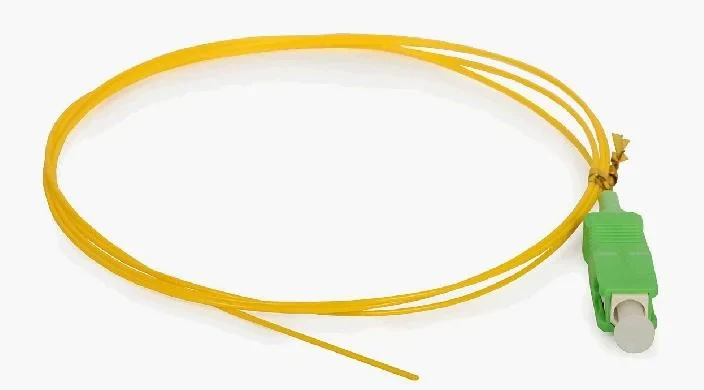
Various Pigtail
Pre-terminated tails that put the factory end face inside your splice tray
12 products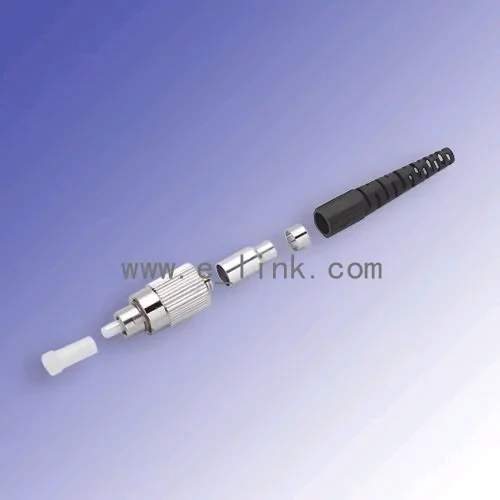
Fiber Optic Connector
Connector bodies and kits for assembly houses and field termination
8 products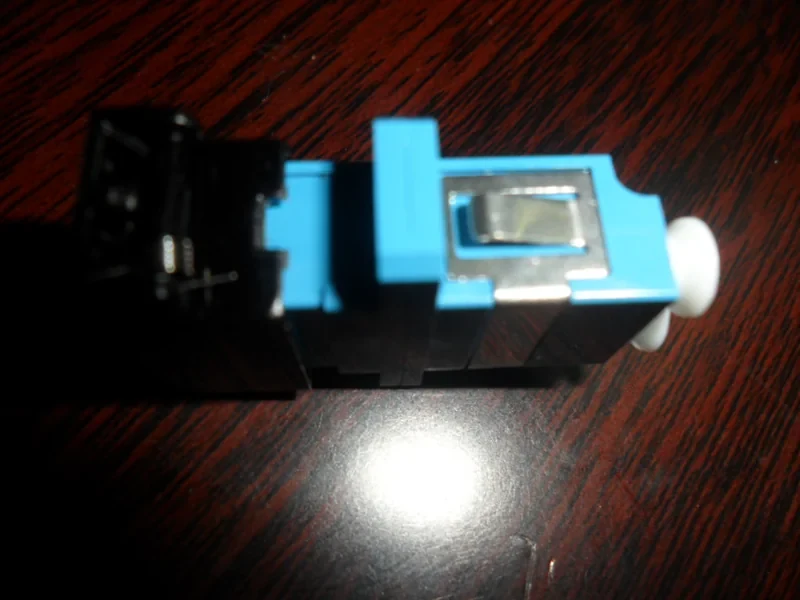
Fiber Adapter
Same-type mating sleeves that hold two ferrules on one axis
18 products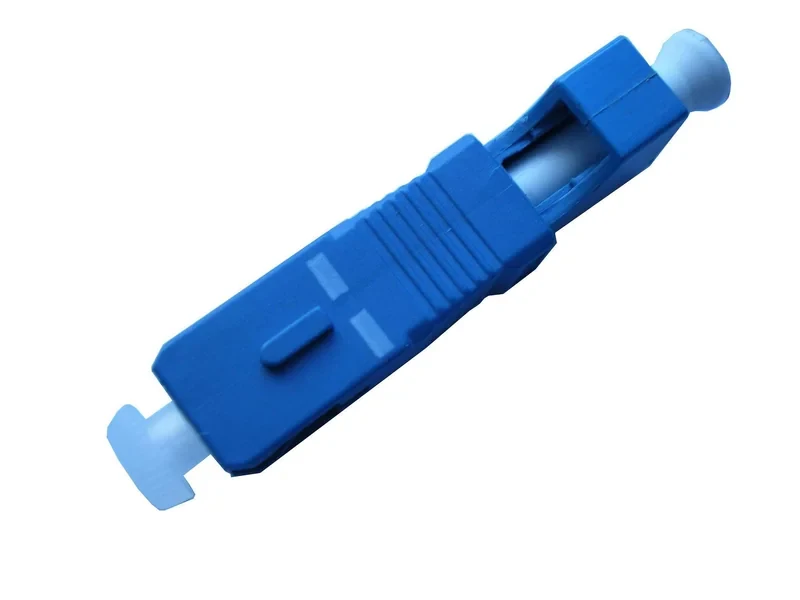
Hybrid Adapter
Cross-type mating sleeves that join two different connector standards
19 productsGet Pricing On Fiber Optic Patchcord
Email the model and quantity and we will reply with pricing, lead time and a datasheet for any item in the fiber optic patchcord range.