
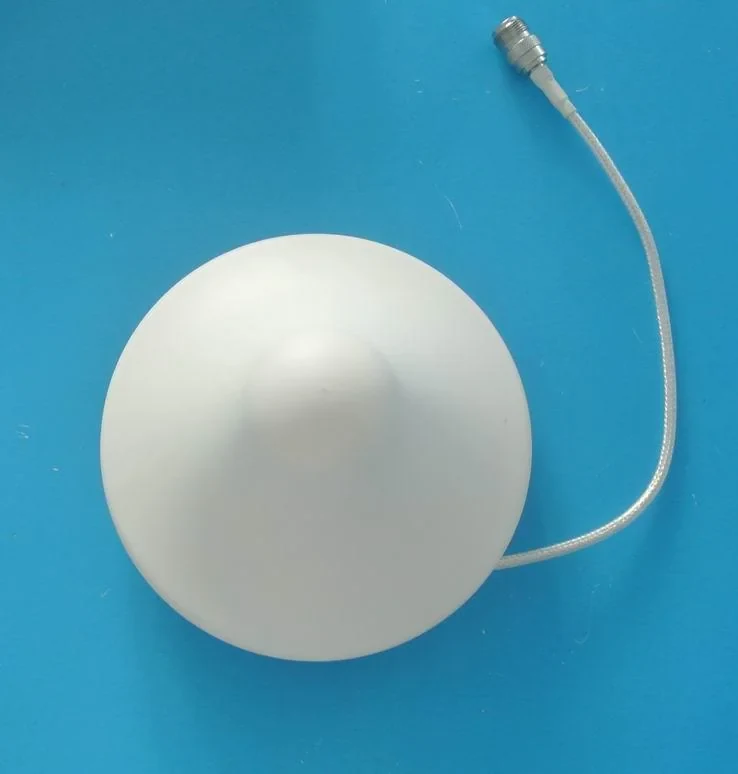
Antenna
Dual-band antennas for in-building and distributed coverage
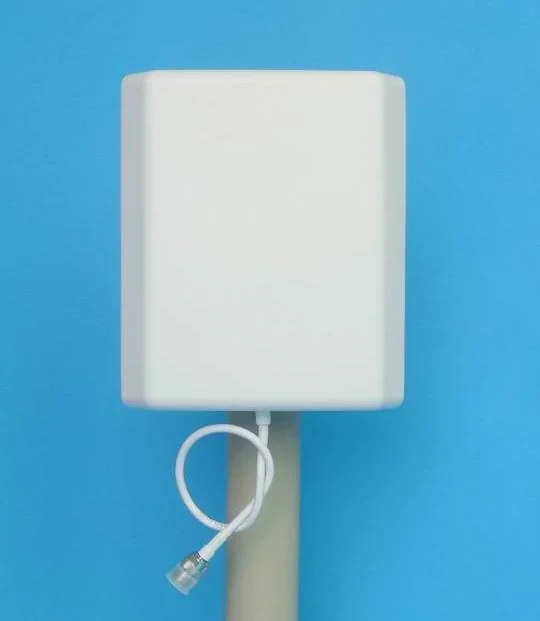
Antenna In Practice
An antenna's gain figure is only meaningful alongside its pattern and its band coverage. A dual-band unit covering the common cellular ranges is what in-building distribution systems are built around, and the choice between gain figures is really a choice about coverage shape.
Problems This Range Solves
- Coverage holes inside buildings where the macro network cannot reach
- Antennas specified by gain alone without regard to pattern
- Single-band units in a system that has to cover two ranges
- Mounting and feeder interfaces that do not match the installed system
- Installations planned without a level budget from the source
Who It Is For
- Distributed antenna system integrators
- In-building wireless coverage contractors
- Property and facilities teams improving coverage
- Wireless network installation companies
- Distributors supplying DAS installation crews
Where It Is Used
- In-building coverage in offices, malls and car parks
- Distributed antenna systems in large premises
- Coverage improvement in basements and lift lobbies
- Temporary coverage for events and construction sites
- Campus and industrial site wireless coverage
What You Get From Our Antenna
Advantages
- Dual-band coverage across the common cellular ranges from one unit
- Gain options that let coverage shape be chosen deliberately
- Standard feeder interfaces matched to the cable range
- Mounting hardware suited to ceiling and wall positions
- Supplied alongside the splitters and feeder from one source
Technical Features
- Dual-band operation covering the common cellular ranges
- Gain options for different coverage shapes
- Standard RF connector interface
- Ceiling and wall mounting provision
- Housings intended for in-building installation
Materials
- Radiating element assembly
- ABS or PC radome
- Plated connector interface
- Steel or plastic mounting hardware
Customization Options
- Gain configuration
- Connector interface type
- Radome color and finish
- Mounting hardware format
- Private-label marking on volume orders
Manufacturing Process
- Element production and tuning
- Radome assembly
- Pattern and VSWR measurement
- Marking and packing with mounting hardware
Quality Control
- VSWR measured across both operating bands
- Gain and pattern verified on sample units
- Connector interface dimensional verification
- Environmental sampling per lot
- Packing contents verified before dispatch
Specifying and Handling Antenna
Before You Order
- Plan coverage from a level budget, not by antenna count
- Match the connector interface to the installed feeder
- Mount clear of metalwork that will distort the pattern
On Site
- Weatherproof the connection if the antenna is in a damp location
- Sweep the completed system to confirm VSWR
- Record antenna positions and gains for future system changes
Antenna Questions
What bands do these antennas cover?
They are dual-band units covering the common cellular ranges, with the exact coverage stated per model. Confirm the bands your system operates in when you enquire.
How do I choose between the available gain figures?
Higher gain concentrates the pattern, which covers further but narrower. Lower gain spreads coverage more evenly over a smaller area. Choose from the coverage shape you need, not from the larger number.
What connector interface is fitted?
A standard RF interface matched to the feeder range in the same catalog. Tell us your system's interface and we will confirm the version.
Can these be used outdoors?
The housings are intended for in-building installation. If the position is exposed, say so on your inquiry and we will confirm what is appropriate.
Do antennas come with mounting hardware?
Yes, with the hardware for the stated mounting format. Confirm whether the position is ceiling or wall so the correct kit is supplied.
More Network & Testing
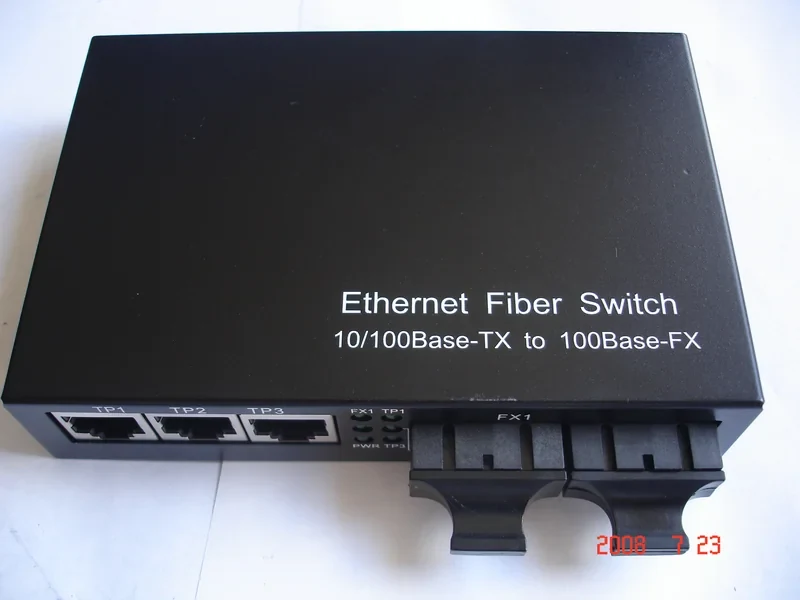
Fiber Optic Media Converter
Copper to fiber conversion where distance or interference rules out twisted pair
8 products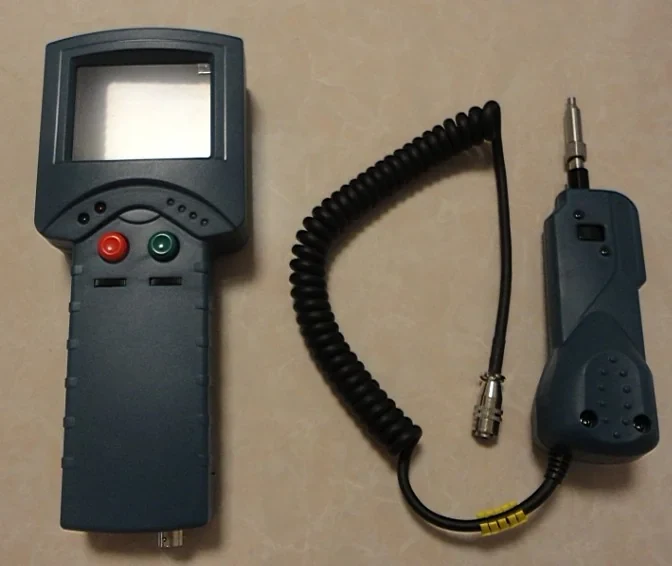
Test Equipment
Splicers, meters, identifiers and inspection tools for people who have to prove the link works
15 products
Fiber Cleaning Tool
The cheapest fix for the most common cause of optical loss
3 products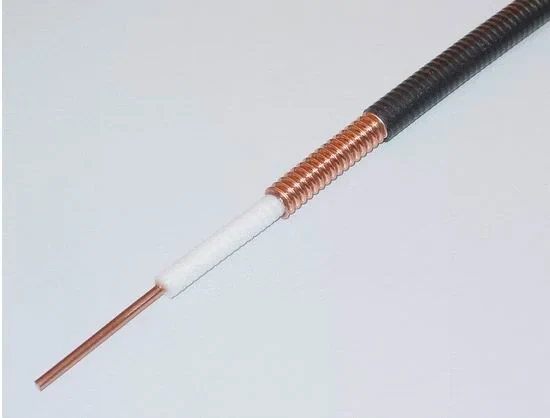
Coaxial Cable
Feeder and data cable for RF distribution and structured copper runs
3 productsGet Pricing On Antenna
Email the model and quantity and we will reply with pricing, lead time and a datasheet for any item in the antenna range.