
Bare Adapter
Temporary connections to unterminated fiber for test and splice verification
All 7 Bare Adapter Products
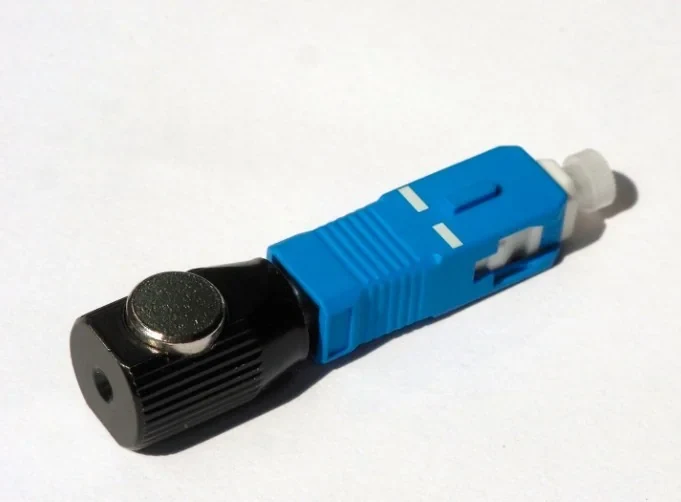
SC Bare Adapter
Used for power measurement on an unterminated distribution cable.
View Details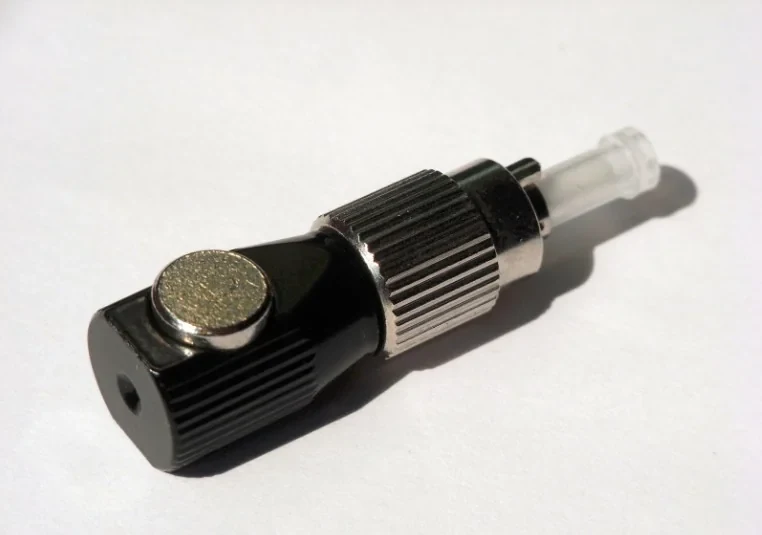
ST Bare Adapter (Ref 429)
Used for fiber training and practical assessment.
View Details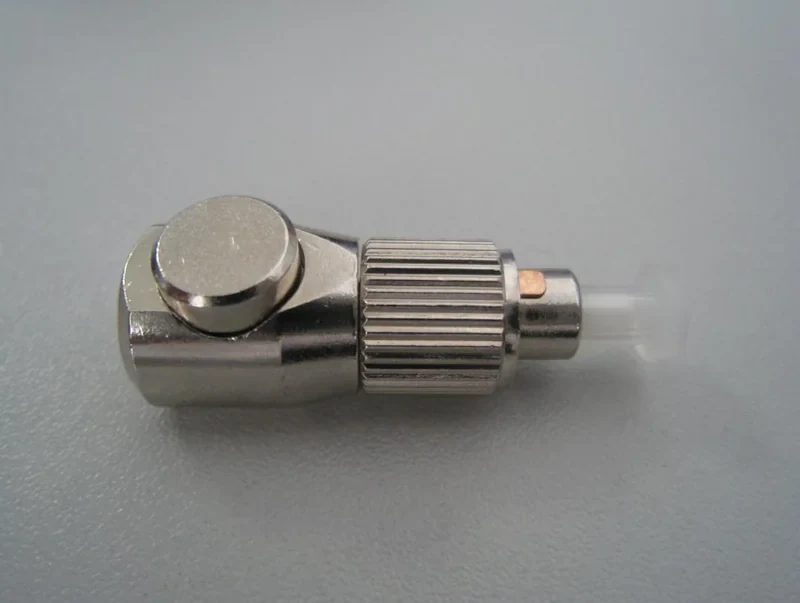
FC Bare Adapter
Used for power measurement on an unterminated distribution cable.
View Details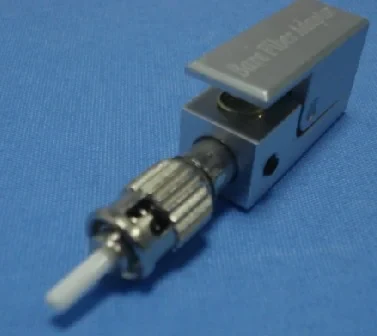
ST Bare Adapter (Ref 343)
Used for laboratory characterisation of fiber samples.
View Details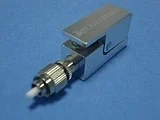
FC Square Bare Adapter
Used for power measurement on an unterminated distribution cable.
View Details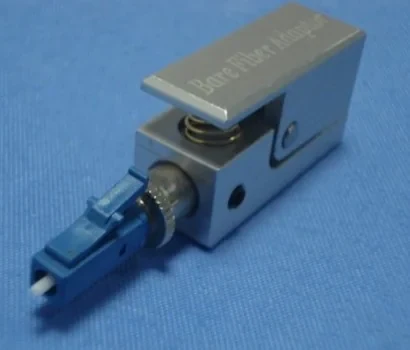
LC Square Bare Adapter
Used for power measurement on an unterminated distribution cable.
View Details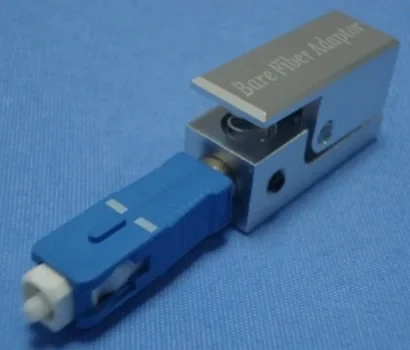
SC Square Bare Adapter
Used for fault localisation during a restoration.
View DetailsBare Adapter In Practice
A bare fiber adapter grips a cleaved, unterminated fiber and presents it to a normal connector port. It is how a splicing crew checks continuity before closing a tray, and how a lab measures a cable that has not been terminated yet.
Problems This Range Solves
- Needing a measurement on fiber that has not been terminated yet
- Terminating a fiber purely to verify continuity, then cutting the connector off
- Slow fault-finding on a partly built link
- Damaged fiber from improvised clamping methods
- Test kits that cannot reach bare fiber in a splice tray
Who It Is For
- Splicing crews verifying continuity before closing a tray
- Test engineers measuring unterminated cable
- Laboratories characterizing fiber samples
- Training programs teaching splice verification
- Maintenance teams fault-finding on a partly built link
Where It Is Used
- Continuity checking before a splice closure is sealed
- Power measurement on an unterminated distribution cable
- Laboratory characterisation of fiber samples
- Fault localisation during a restoration
- Fiber training and practical assessment
What You Get From Our Bare Adapter
Advantages
- Measure without spending a connector and a termination cycle
- Reusable across many fibres in a single session
- Available for the main connector port types and both ferrule sizes
- Compact enough to live in a splicing kit
- Square and standard body versions for different panel and bench mounts
Technical Features
- Clamping mechanism sized for 250 µm or 900 µm fiber
- Standard connector interface on the test-set side
- Reusable clamp designed for repeated insertion
- Available for SC, FC, ST and LC port types
- Square-body versions for panel mounting
Materials
- Zirconia ceramic or precision metal guide
- Metal or thermoplastic body
- Spring clamping mechanism
- Thermoplastic dust cap
Customization Options
- Connector interface type
- 250 µm or 900 µm fiber acceptance
- Square or standard body
- Kitted with cleaver and cleaning consumables
Manufacturing Process
- Guide bore inspection
- Clamp mechanism assembly and force setting
- Mating interface verification
- Repeat-insertion durability sampling
- Cleaning and packing
Quality Control
- Guide bore concentricity sampled per lot
- Clamping force verified on sample units
- Repeat-insertion cycling on samples
- Loss repeatability measured with a reference fiber
- Visual inspection of the mating interface
Where This Range Is Specified
How It Is Used In The Field
Specifying and Handling Bare Adapter
Before You Order
- Cleave the fiber square with a precision cleaver before insertion
- Clean the fiber with lint-free wipe and solvent
- Insert to the stop and close the clamp without forcing it
On Site
- Treat the reading as indicative rather than as a certified link measurement
- Release the clamp before withdrawing the fiber to avoid scoring it
- Clean the guide bore between fibres
Bare Adapter Questions
What fiber sizes does a bare adapter accept?
Versions are available for 250 µm coated fiber and for 900 µm tight-buffered fiber. Confirm which one your splice tray presents before ordering.
Is a bare adapter measurement as accurate as a terminated one?
It is repeatable enough for continuity and relative loss checks, which is what a splicing crew needs. For certified link measurements, terminate properly or use a reference-grade test cord.
How many times can one adapter be reused?
They are designed for repeated insertion across a working session and beyond. Replace when the clamp no longer holds the fiber firmly or the guide bore shows wear.
Which connector types are available?
SC, FC, ST and LC interfaces are the common ones, in both standard and square-body form. Tell us your test set's port type and we will match it.
Do I still need to cleave the fiber?
Yes. The adapter aligns the fiber but cannot fix a bad cleave. A square, clean cleave is what makes the reading meaningful.
Guides Related To This Range
What a Hybrid Fiber Adapter Does and When to Use One
Joining two different connector standards without cutting anything, and the three things that still have to match.
Troubleshooting ArticlePower Meter and OTDR Testing Basics
Two instruments that answer different questions, why you need both, and what to write down so the result means something later.
More Fiber Optic Components
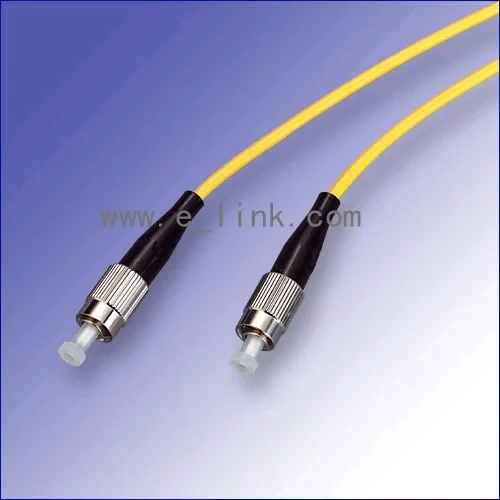
Fiber Optic Patchcord
Factory-terminated jumpers that turn a planned link budget into a working one
11 products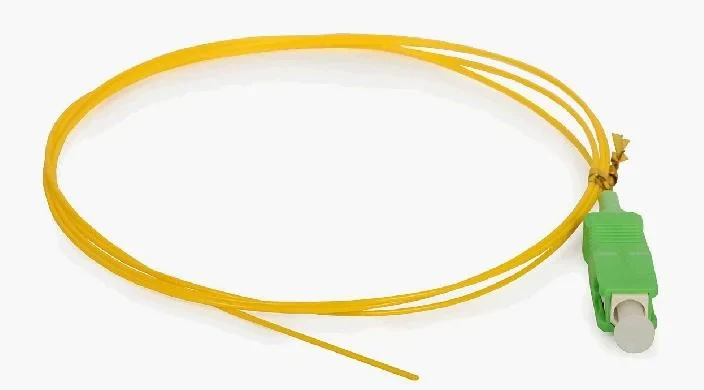
Various Pigtail
Pre-terminated tails that put the factory end face inside your splice tray
12 products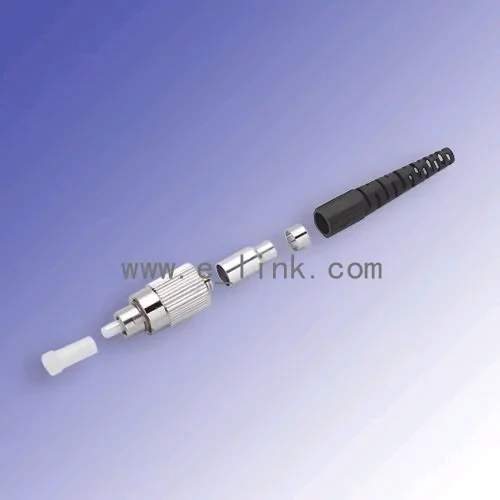
Fiber Optic Connector
Connector bodies and kits for assembly houses and field termination
8 products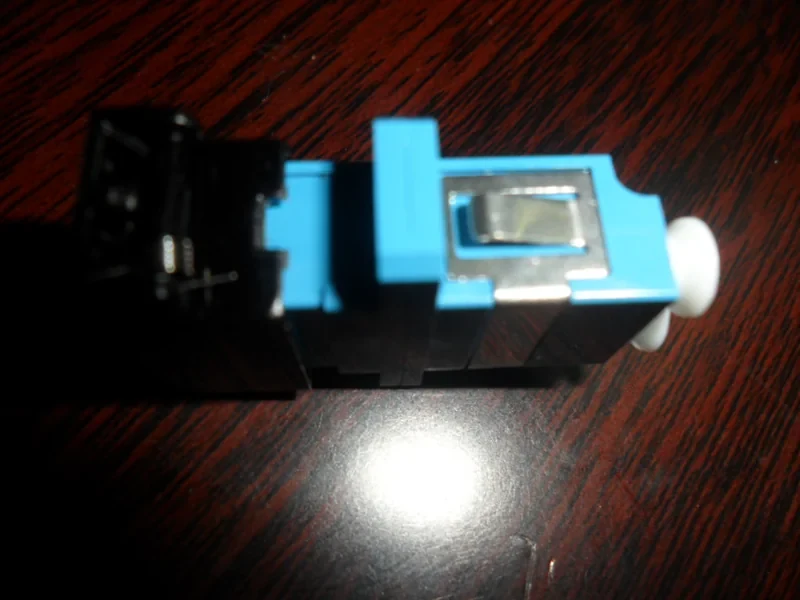
Fiber Adapter
Same-type mating sleeves that hold two ferrules on one axis
18 productsGet Pricing On Bare Adapter
Email the model and quantity and we will reply with pricing, lead time and a datasheet for any item in the bare adapter range.