
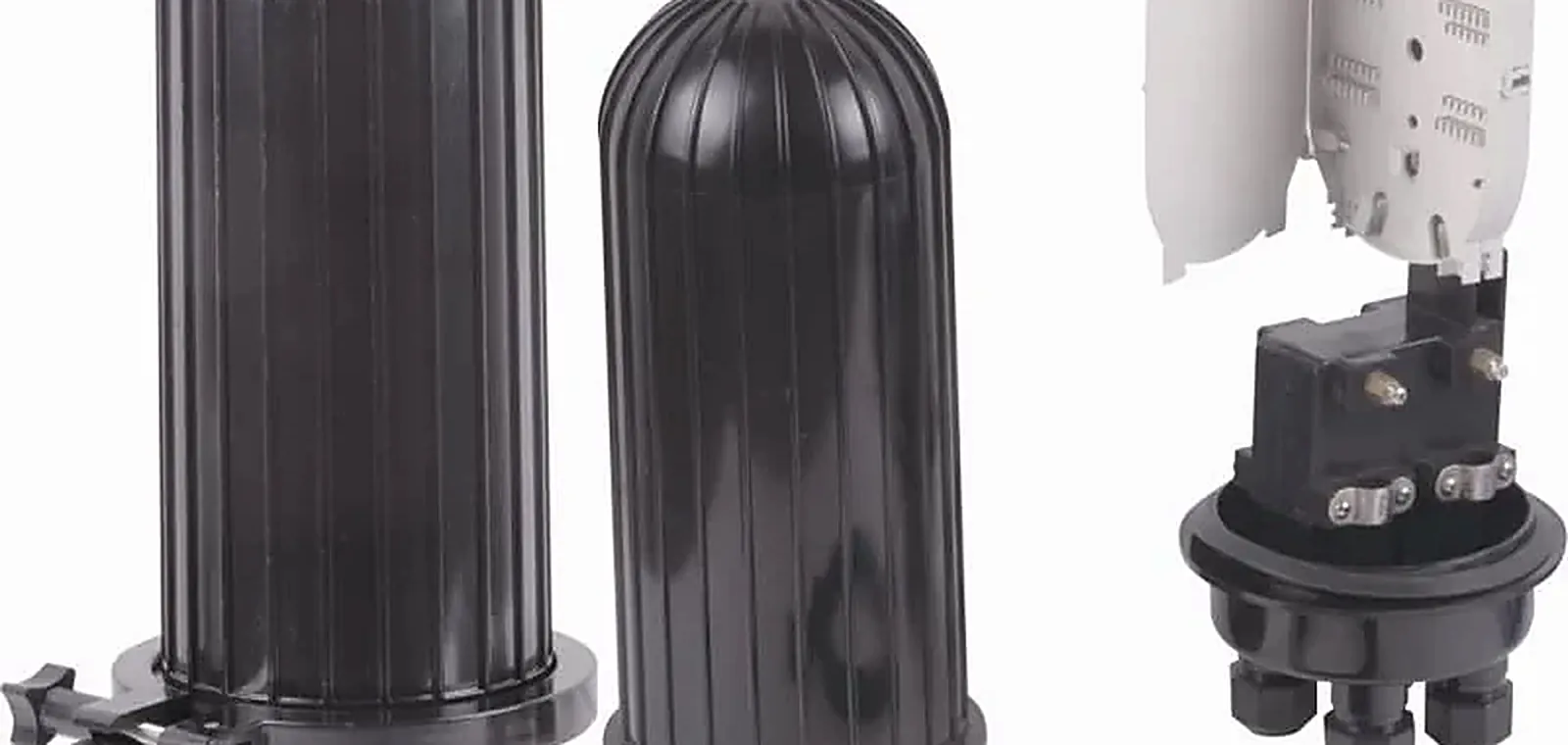
How to Choose a Fiber Optic Connector Type
FC SC LC ST MU MT-RJ and E2000 compared by what actually decides the choice: the port you have to mate with the space you have and how often it gets touched.
In This Guide
The Choice Is Usually Made For You
In most real projects the connector is not chosen, it is inherited. The equipment presents a port, the installed plant presents another, and the decision is only about how to get between them. It is worth being honest about that before reading comparison tables, because the genuinely free choices are rarer than the tables suggest.
Browse our Fiber Optic Connector range
What Actually Differs Between Connector Types
Three things: ferrule diameter, which sets the density; coupling mechanism, which sets how the connector behaves under vibration and in the hand; and installed base, which sets what you will be mating with in ten years. Optical performance is largely a function of end-face quality and cleanliness rather than of which housing the ferrule sits in.
The 2.5 mm Family: FC SC and ST
FC uses a threaded nut, which keeps contact stable under vibration and is why it stayed on test equipment and carrier transmission gear. SC pushes straight in and releases straight out, which is why FTTH and passive distribution standardized on it. ST twists on with a bayonet and survives in installed multimode building backbones. All three share the same ferrule diameter, which is why hybrid adapters between them are straightforward.
Browse our Fiber Adapter range
The 1.25 mm Family: LC and MU
LC halves the ferrule diameter and roughly doubles the achievable port density, which is why every small form-factor transceiver uses it. MU is the telecom equipment equivalent, appearing in high-density shelves and component packaging. The two share a ferrule size but are not interchangeable, so confirm the housing standard rather than measuring the ferrule.
Browse our Fiber Optic Patchcord range
Multi-Fiber and Specialist Types
MT-RJ carries a duplex pair in one rectangular ferrule, which made it popular in office faceplates. MPO and MTP extend the same idea to twelve or twenty-four fibres for data-center trunks, at the cost of having to plan polarity and pin gender before ordering. E2000 adds a spring shutter that protects the end face and the technician's eye, which is why it appears on high-power and metro links.
Browse our Hybrid Adapter range
Density Versus Serviceability
The most common specification mistake is choosing the densest option the panel will physically accept. A 48-port LC panel is only useful if a technician can release one cord without disturbing its neighbors. If cords will be re-patched frequently, buy one density step below the maximum and accept the extra rack unit.
What To Send Us When You Ask For A Quote
The connector type and polish at each end, the fiber mode and core size, the length, and the jacket requirement. If you are matching something that already exists, send the physical sample. Fit into an existing panel is the part a written description almost always leaves out.
Questions This Guide Gets Asked
Which fiber optic connector is best?
There is no best one in the abstract. FC resists vibration, SC is fastest to handle, LC gives the highest density, ST survives in legacy multimode plant, and MPO moves whole trunks at once. The right question is what your equipment and your installed plant present, and how often the port gets touched.
Can I mix connector types on one patch cord?
Yes. Mixed-connector assemblies with a different type on each end are normal where equipment and frame use different standards, and they are often cleaner than putting a hybrid adapter in the path.
Does the connector type affect insertion loss?
Far less than end-face quality and cleanliness do. A clean, well-polished SC will outperform a contaminated LC every time. Choose the housing for mechanical and density reasons, and control loss through inspection and cleaning.
Is LC always the right choice for new installations?
It is the usual choice because transceivers use it, but not always. In a closure that gets worked on with gloved hands, SC is easier to handle, and the density advantage of LC is irrelevant there.
Ranges Covered In This Guide
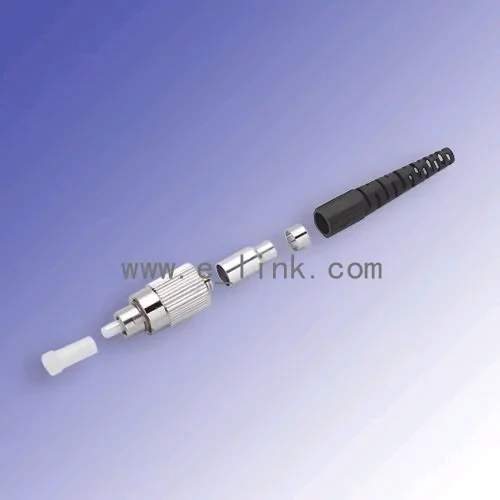
Fiber Optic Connector
Connector bodies and kits for assembly houses and field termination
8 products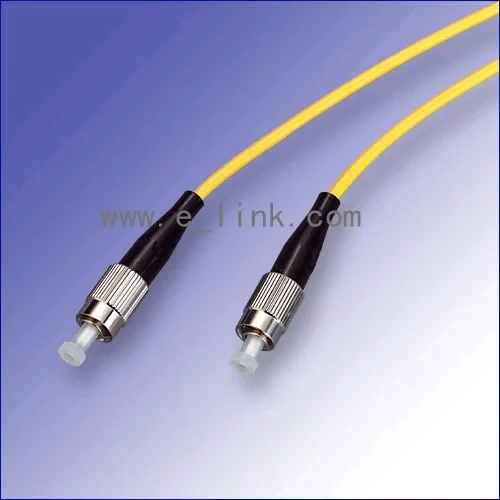
Fiber Optic Patchcord
Factory-terminated jumpers that turn a planned link budget into a working one
11 products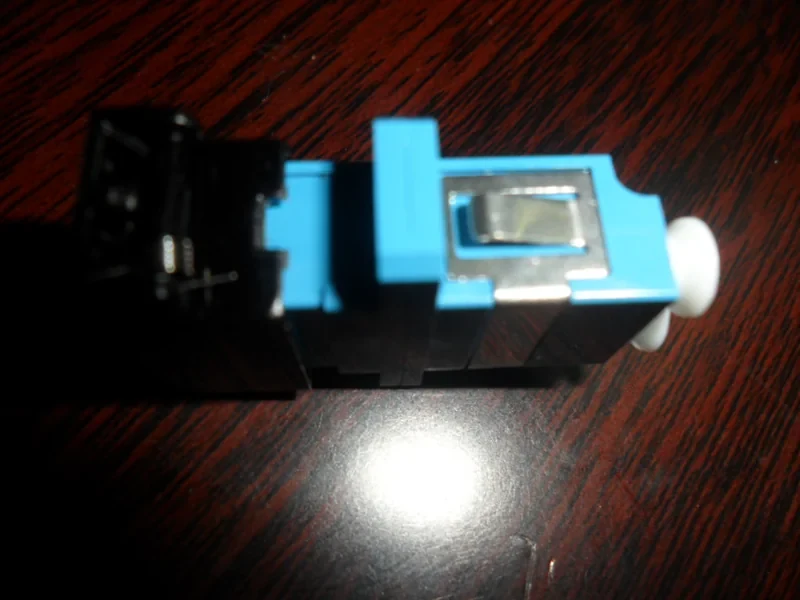
Fiber Adapter
Same-type mating sleeves that hold two ferrules on one axis
18 products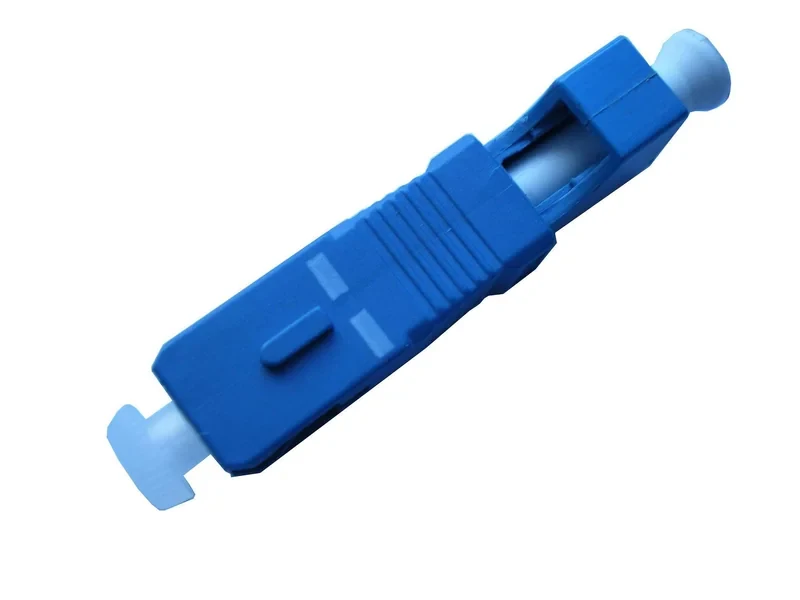
Hybrid Adapter
Cross-type mating sleeves that join two different connector standards
19 productsDeployment Profiles
Industries and Solutions
Have A Specification To Check
Send the part, the drawing or the link budget. We will confirm what fits before you commit to an order.