
Face Plate
Wall outlets that present a fiber port where the user actually is
All 11 Face Plate Products
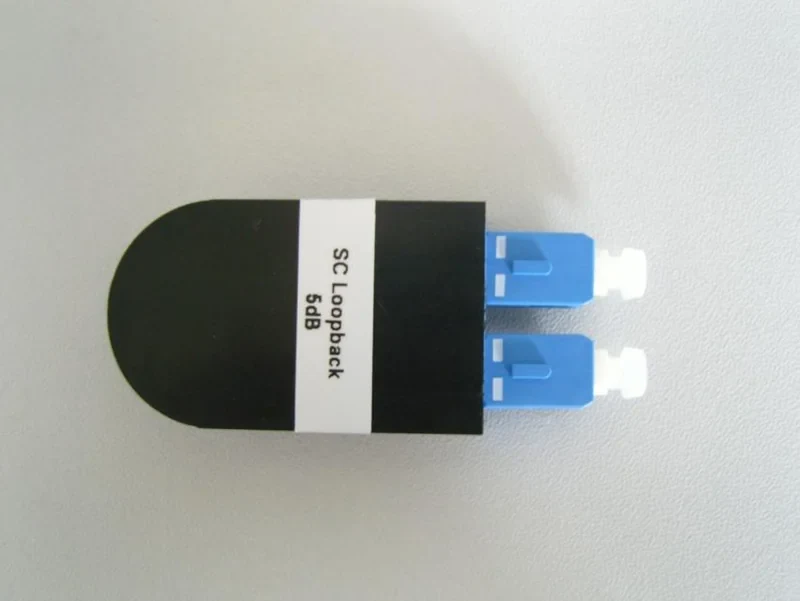
LC (Ref 359)
Used for fiber to the desk in an office fit-out.
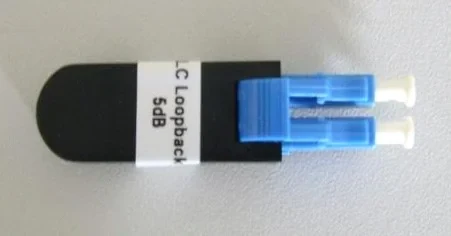
View DetailsSC
Used for media and broadcast facility wall outlets.
View Details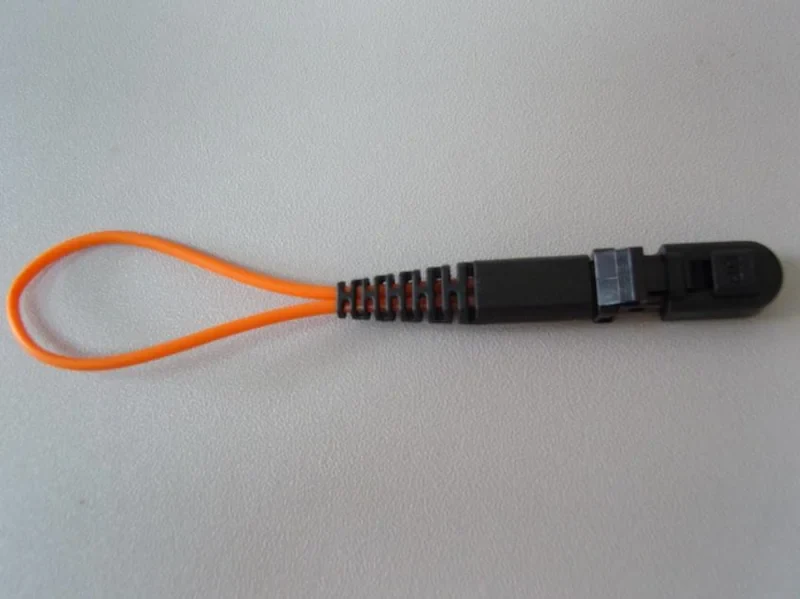
MT-RJ
Used for retrofitting fiber into an existing structured cabling estate.
View Details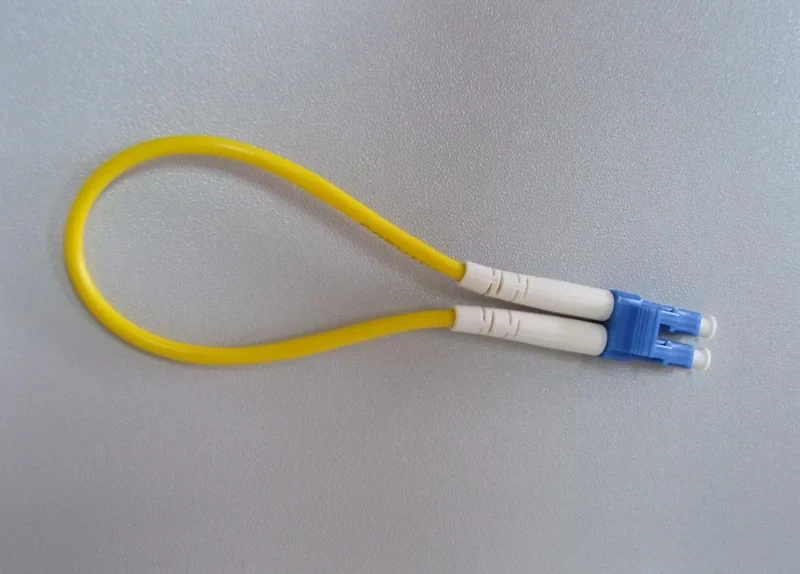
LC (Ref 362)
Used for in-home fiber outlets in a residential build.
View Details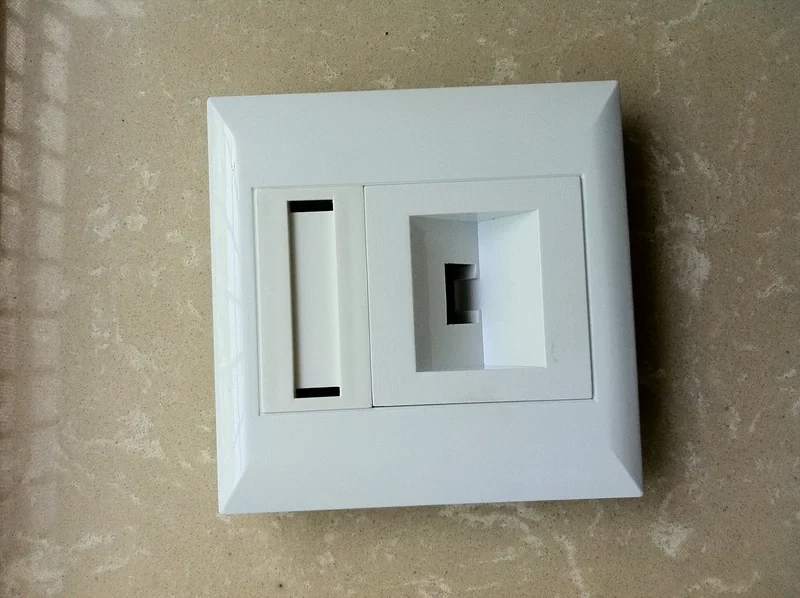
ELF001
Used for fiber to the desk in an office fit-out.
View Details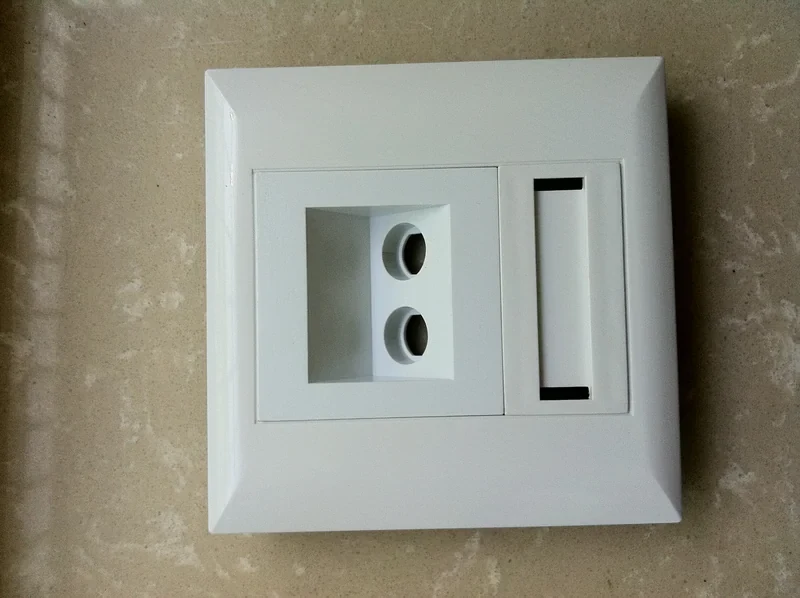
ELF002
Used for media and broadcast facility wall outlets.
View Details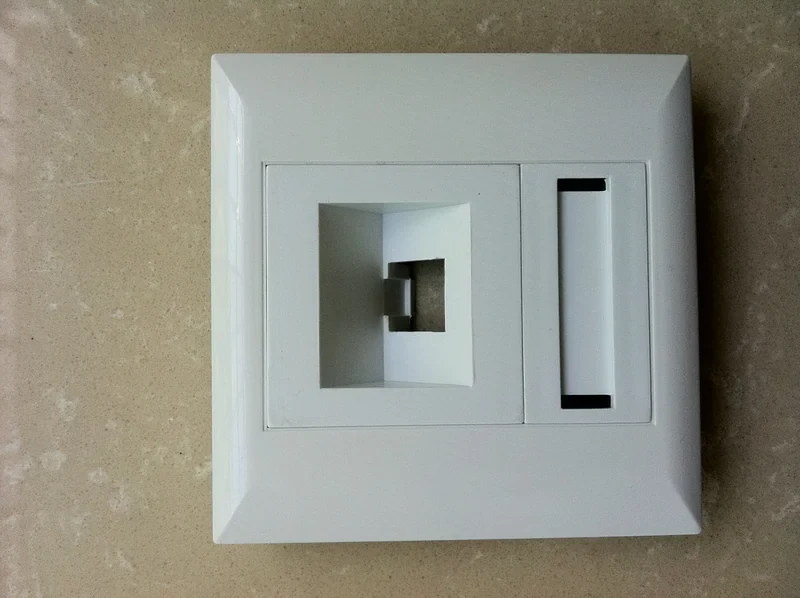
ELF003
Used for retrofitting fiber into an existing structured cabling estate.
View Details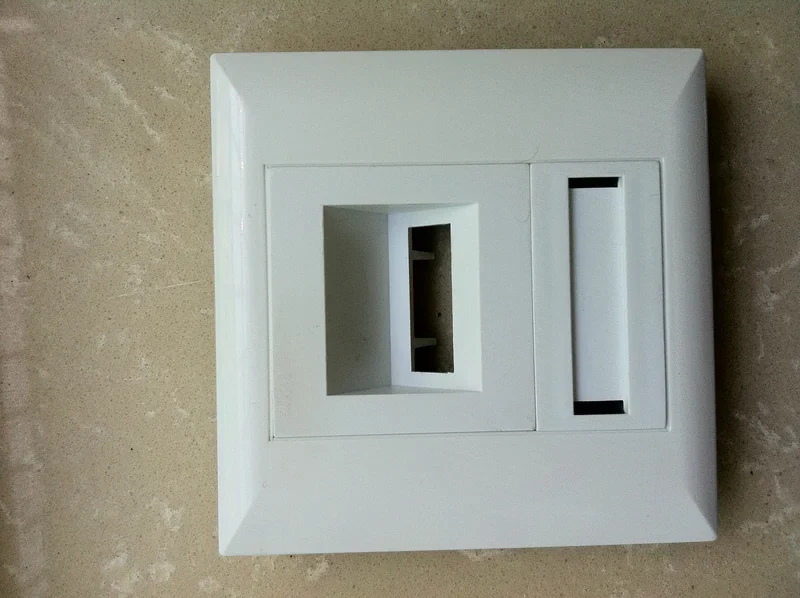
ELF004
Used for in-home fiber outlets in a residential build.
View Details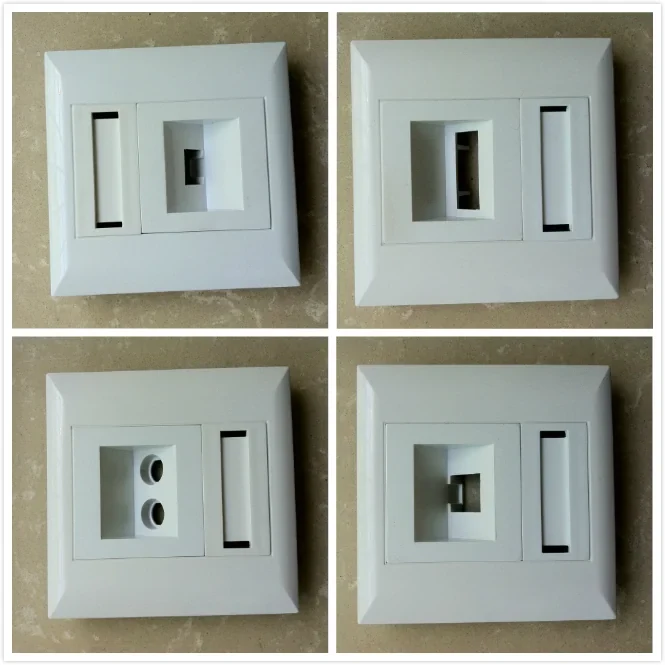
Face Plate (Ref 436)
Used for retrofitting fiber into an existing structured cabling estate.
View Details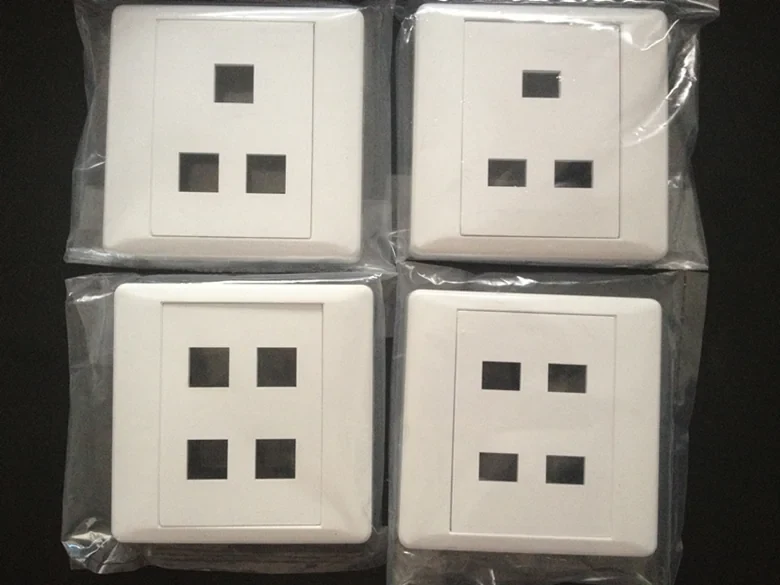
Face Plate1
Used for retrofitting fiber into an existing structured cabling estate.
View Details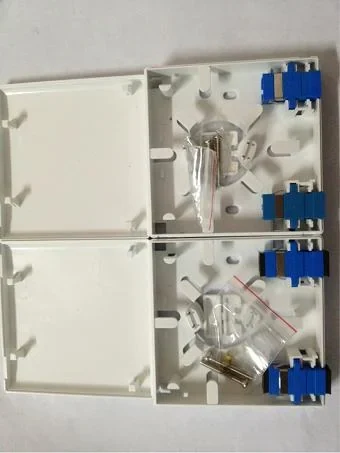
Face Plate 86
Used for media and broadcast facility wall outlets.
View DetailsFace Plate In Practice
A face plate is the visible end of a structured cabling system. It has to accept the adapter, protect the fiber behind it, survive being in an office wall and still look like it belongs there. Getting the format wrong means the whole outlet has to be re-cut.
Problems This Range Solves
- Outlet formats that do not match the local wall box standard
- Fiber bent too tightly in the shallow space behind a plate
- Ports left open and collecting dust in an occupied office
- Plates that do not match the electrical accessories already installed
- Adapter formats that cannot be changed without replacing the plate
Who It Is For
- Structured cabling contractors
- Office and commercial fit-out teams
- MDU and residential fiber installers
- Data-center and lab bench cabling teams
- Facilities teams maintaining installed outlets
Where It Is Used
- Fiber to the desk in an office fit-out
- In-home fiber outlets in a residential build
- Laboratory and test bench fiber presentation
- Media and broadcast facility wall outlets
- Retrofitting fiber into an existing structured cabling estate
What You Get From Our Face Plate
Advantages
- Formats to suit both 86 type and international wall box standards
- Adapter positions for SC, LC and MT-RJ in simplex and duplex
- Space behind the plate designed for the fiber's bend radius
- Shuttered or capped ports to keep dust out before commissioning
- Finishes that sit alongside standard electrical accessories
Technical Features
- 86 type and international plate formats
- Simplex, duplex and multi-port adapter positions
- Snap-in adapter mounting for later reconfiguration
- Dust shutters or port caps
- Wall box and surface mount options
Materials
- ABS or PC plate body
- Ceramic or bronze sleeve adapters
- Thermoplastic shutters
- Steel mounting screws
Customization Options
- Plate format and port count
- Adapter type and polish
- Plate color and finish
- Shuttered or capped ports
- Custom port labeling and private-label packaging
Manufacturing Process
- Plate molding and finishing
- Adapter aperture verification
- Shutter mechanism fitting
- Fit test against standard wall boxes
- Packing with screws and labels
Quality Control
- Wall box fit verified against the stated standard
- Adapter retention force sampled
- Shutter cycling on samples
- Finish and color consistency checked per lot
- Packing count verified before dispatch
Where This Range Is Specified
How It Is Used In The Field
Specifying and Handling Face Plate
Before You Order
- Confirm the wall box standard before ordering plate format
- Leave a service loop in the wall box within the fiber's bend radius
- Fit dust shutters or caps and leave them closed until commissioning
On Site
- Label ports at install so moves and changes stay traceable
- Tighten fixing screws evenly so the plate sits flat
- Clean the port before every patch, the same as on a panel
Face Plate Questions
Which wall box standards are supported?
Plates are available in 86 type and in international formats. Measure the installed wall box before ordering, because plate format is the item most often got wrong on a retrofit.
Can the adapter type be changed later?
On snap-in versions, yes. The adapter can be swapped without replacing the plate, which is useful when equipment changes from SC to LC during a refresh.
Is there room for a service loop behind the plate?
There is space designed for a loop within the fiber's bend radius, but it depends on the wall box depth. Deep boxes are strongly preferred for fiber outlets.
Do the plates have dust shutters?
Shuttered and capped versions are both available. In an occupied office a shutter is worth specifying, because open ports collect dust quickly.
Can plates be supplied in custom colors?
Yes, on volume orders, so the fiber outlets match the electrical accessories already installed in the building.
More FTTH & Distribution
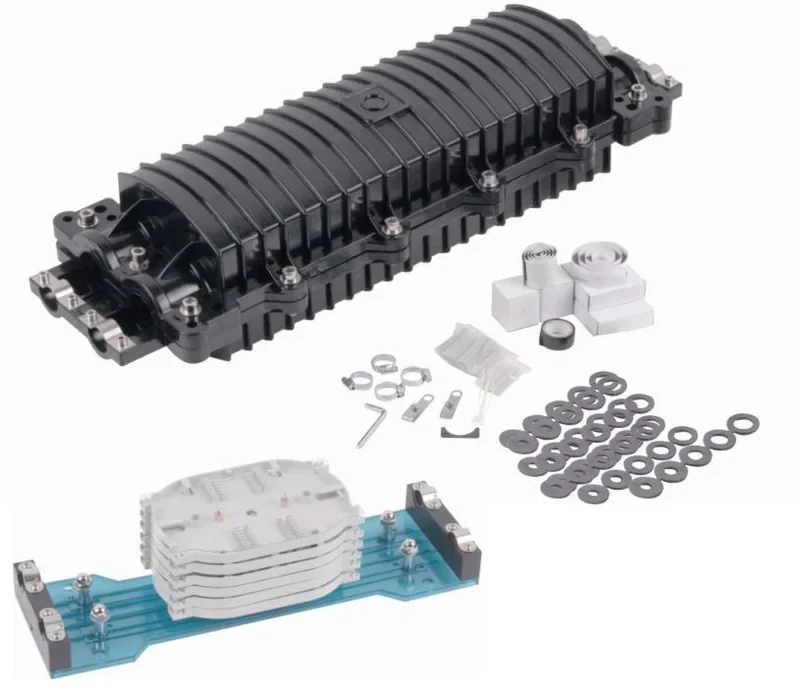
Horizontal FOSC
In-line splice closures for aerial, duct and direct-buried straight-through joints
8 products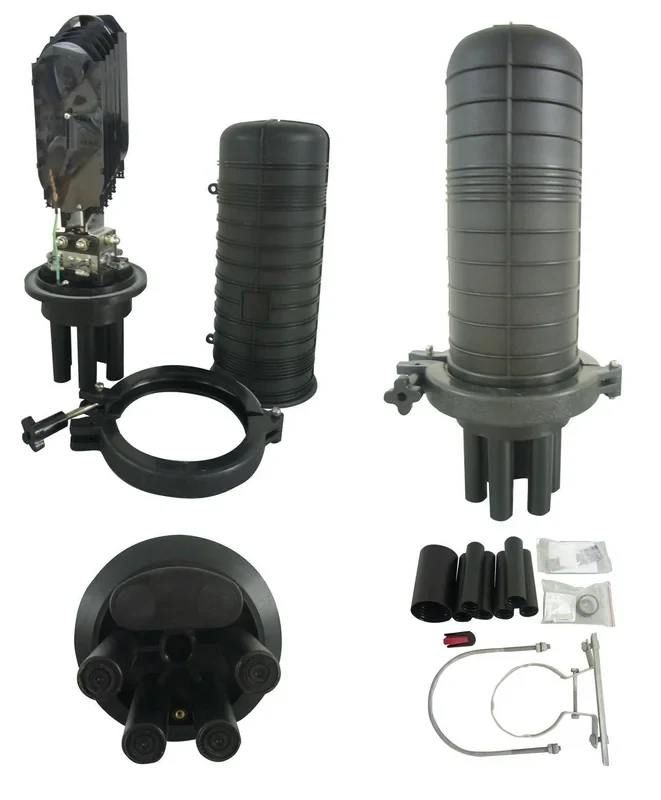
Dome FOSC
Vertical dome closures for pole, wall and hand-hole splice points
9 products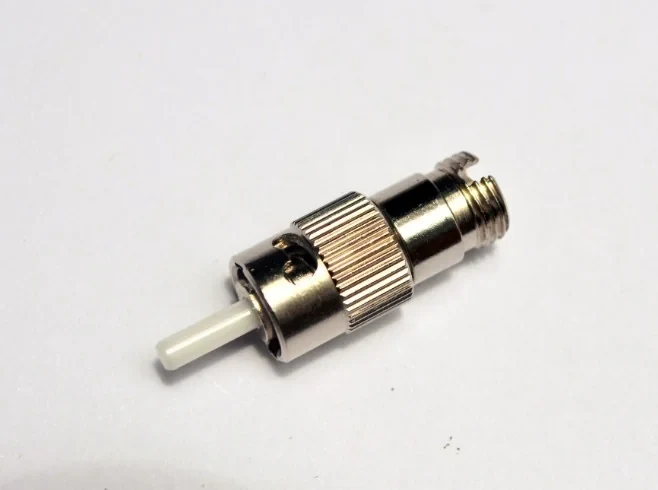
FTTH Solution
Drop-side hardware for the last span into the subscriber premises
3 products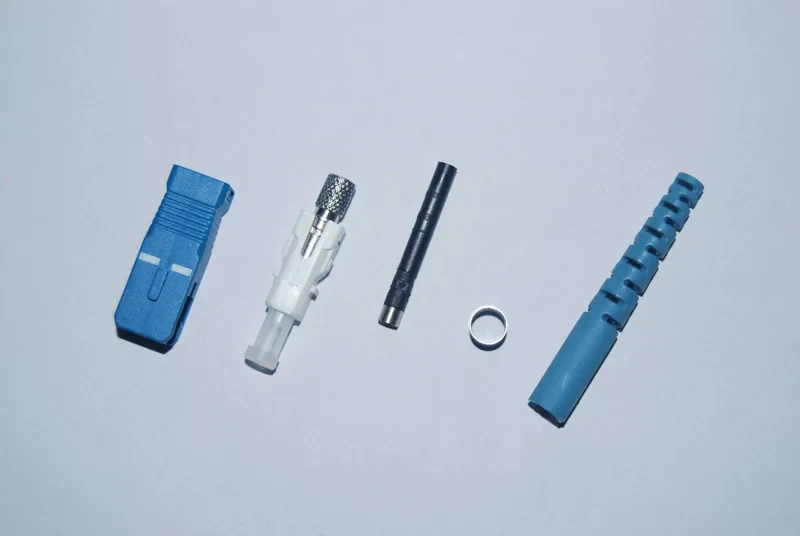
Field Assembly/Fast Connector
Mechanical field termination without a fusion splicer
6 productsGet Pricing On Face Plate
Email the model and quantity and we will reply with pricing, lead time and a datasheet for any item in the face plate range.