

Fiber Cleaning Tool
The cheapest fix for the most common cause of optical loss
All 3 Fiber Cleaning Tool Products
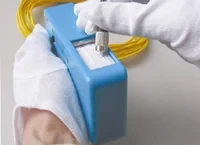
Fiber Connector Cleaner
Used for routine cleaning during commissioning and handover.
View DetailsOne Click Cleaner (2.5)
Used for end-face preparation on an assembly bench.
View Details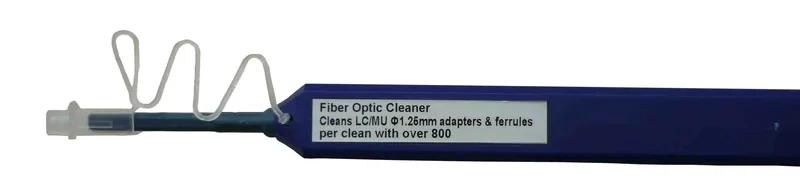
One Click Cleaner (1.25)
Used for end-face preparation on an assembly bench.
View DetailsFiber Cleaning Tool In Practice
Most high-loss ports are not faulty, they are dirty. A single particle on a single-mode core is large relative to the core itself, and it will both block light and scratch the mating face. Cleaning is the first diagnostic step and the least expensive one anybody will perform all day.
Problems This Range Solves
- High loss blamed on cords and adapters when the real cause is contamination
- Scratched end faces created by mating a dirty connector
- Cleaning attempted with whatever cloth was in the van
- Ports inside adapters that hand wipes cannot reach
- Repeat faults on the same port because it was never properly cleaned
Who It Is For
- Field engineers and maintenance crews
- Data-center and patch field operators
- Assembly benches and repair workshops
- Splicing teams working in closures
- Anyone handing over a certified link
Where It Is Used
- Cleaning before every mating in a patch field
- First-line diagnosis of a high-loss port
- Cleaning bulkhead ports inside adapters and panels
- End-face preparation on an assembly bench
- Routine cleaning during commissioning and handover
What You Get From Our Fiber Cleaning Tool
Advantages
- One-click tools that reach inside adapters where wipes cannot
- Hundreds of cleans from a single tool, so cost per clean is negligible
- 2.5 mm and 1.25 mm versions covering all mainstream ferrule sizes
- Dry cleaning that leaves no residue on the end face
- Small enough to live permanently in a test kit
Technical Features
- One-click mechanism with an internal cleaning tape
- 2.5 mm version for SC, FC, ST and E2000
- 1.25 mm version for LC and MU
- Cleans both connector ends and bulkhead ports
- High click count per tool
Materials
- Engineering plastic body
- Woven cleaning tape cartridge
- Spring-loaded advance mechanism
Customization Options
- Ferrule size version
- Click count per tool
- Kitted with wipes, solvent and inspection scope
- Bulk packs for rollout programs
- Private-label packaging
Manufacturing Process
- Body molding and mechanism assembly
- Cleaning tape loading and tension setting
- Click count and advance verification
- Function sampling per lot
- Packing
Quality Control
- Click count verified on sample units
- Cleaning effectiveness tested against contaminated reference ferrules
- Tape advance and tension checked per lot
- Mechanism durability sampling
- Packing count verified before dispatch
Where This Range Is Specified
How It Is Used In The Field
PON Street Cabinet Split Point
How a feeder fiber becomes subscriber ports inside a street cabinet, and which decisions are expensive to reverse
Central Office ODF Consolidation
Turning a fiber plant that grew without a frame into one a new engineer can read
Campus Backbone Connector Migration
Phasing a legacy ST or FC estate onto SC and LC equipment without cutting anything
Specifying and Handling Fiber Cleaning Tool
Before You Order
- Clean before every mating, including on connectors straight out of the bag
- Insert square and press until the mechanism clicks once
- Inspect after cleaning rather than assuming it worked
On Site
- Repeat once if inspection still shows contamination, then investigate further
- Clean the adapter port as well as the connector, not just one side
- Replace the tool when the click count is exhausted
Fiber Cleaning Tool Questions
Do I really need to clean a brand new connector?
Yes. Caps protect against damage but do not guarantee a clean end face, and a new cord is one of the most common sources of contamination in a patch field.
Which size do I need?
2.5 mm covers SC, FC, ST and E2000. 1.25 mm covers LC and MU. Most working kits carry both, because a mixed estate will need both within the same day.
How many cleans does one tool give?
Several hundred per tool depending on the model, which makes the cost per clean negligible compared with a return visit for a fault that cleaning would have fixed.
Can these clean inside a bulkhead adapter?
Yes, that is the main reason to use a click tool rather than a wipe. The tip reaches the ferrule inside the adapter, which is exactly where wipes cannot go.
Wet or dry cleaning?
These are dry-cleaning tools and leave no residue. Heavy contamination sometimes needs a solvent and wipe first, followed by a dry clean to remove any remaining film.
Guides Related To This Range
How to Clean and Inspect Fiber Optic Connectors
Most high-loss ports are dirty, not faulty. The inspect, clean, inspect cycle and why new connectors are not exempt.
Process GuideInsertion Loss and Return Loss Explained
Two numbers on every test report, what each one is telling you, and how to build a link budget that survives being maintained.
Installation GuideInstalling Field Assembly Fast Connectors
A step by step method, the cleave quality that decides the result, and an honest account of what you trade against a fusion splice.
Troubleshooting ArticlePower Meter and OTDR Testing Basics
Two instruments that answer different questions, why you need both, and what to write down so the result means something later.
More Network & Testing
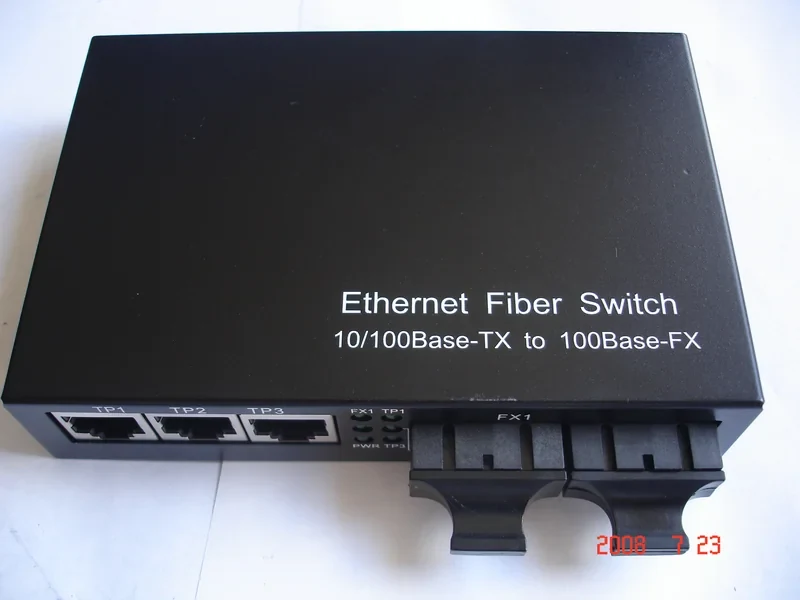
Fiber Optic Media Converter
Copper to fiber conversion where distance or interference rules out twisted pair
8 products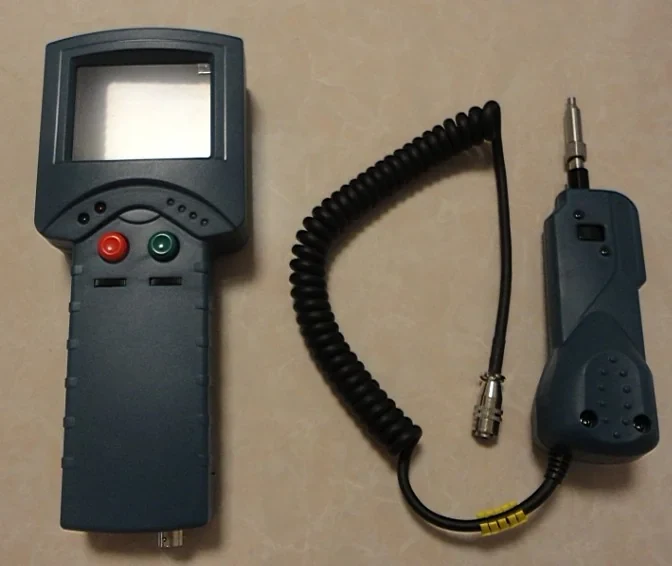
Test Equipment
Splicers, meters, identifiers and inspection tools for people who have to prove the link works
15 products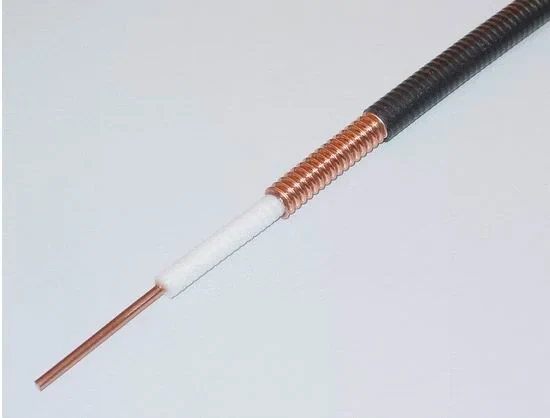
Coaxial Cable
Feeder and data cable for RF distribution and structured copper runs
3 products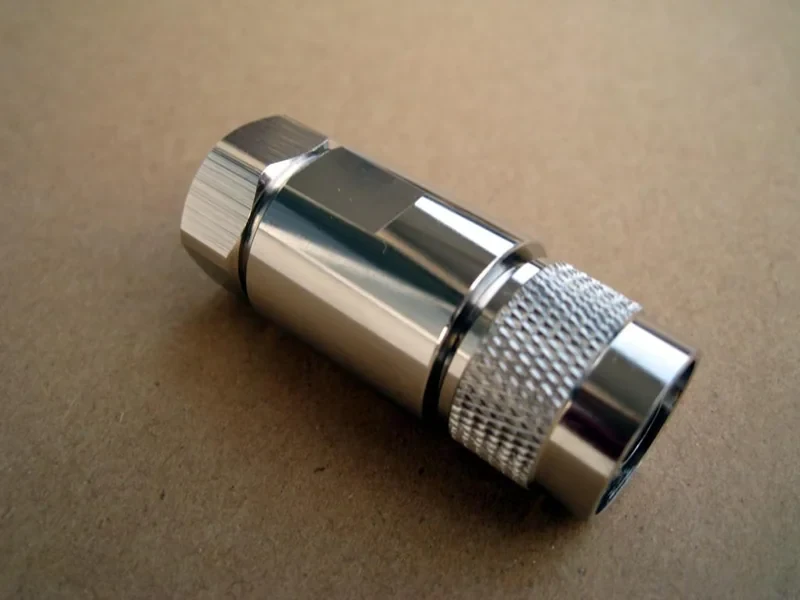
Coaxial Connector
Feeder and instrument connectors that keep impedance continuous
4 productsGet Pricing On Fiber Cleaning Tool
Email the model and quantity and we will reply with pricing, lead time and a datasheet for any item in the fiber cleaning tool range.