
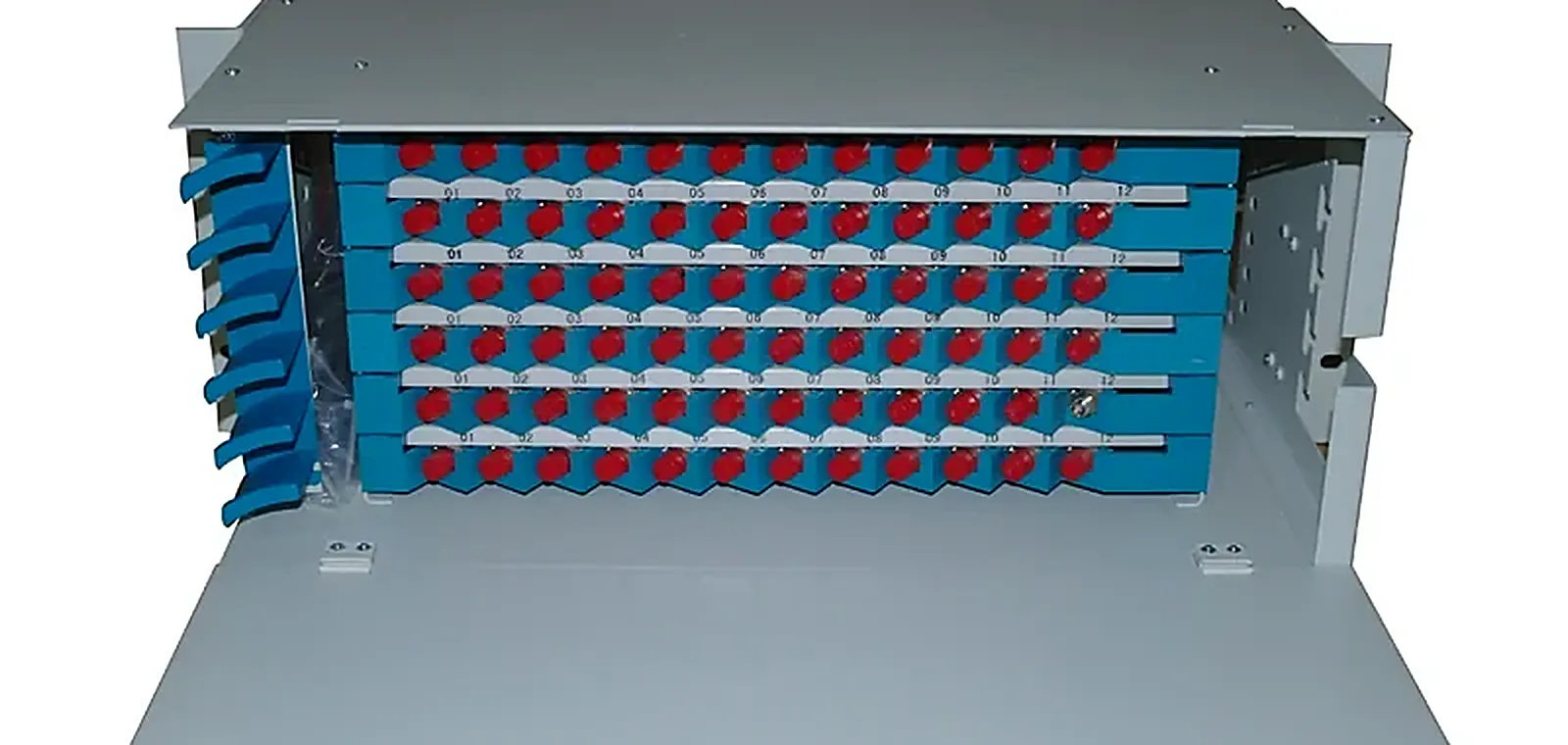
Single Mode and Multimode Fiber Compared
Core sizes, where each one earns its place, and the mixing mistake that quietly costs several decibels in the middle of a channel.
In This Guide
One Core Size Decides Everything Downstream
Single mode fiber has a core of about nine micrometres; multimode has fifty or sixty-two and a half. That single dimension determines the transceivers you can buy, the distances you can reach, the alignment tolerance of every connector in the path and, in practice, how long the installation stays useful.
Single Mode: 9/125
A nine micrometre core supports one propagation mode, so pulses do not spread the way they do in a larger core. Distance is then limited by loss rather than by dispersion, which is why access, metro and long-haul plant is single mode, and why PON distribution is too. The trade is tighter alignment tolerance, which makes cleanliness matter more.
Browse our Fiber Optic Patchcord range
Multimode: 50/125 and 62.5/125
A larger core accepts light from cheap VCSEL sources and is far more forgiving to align, which makes short links inexpensive. 62.5/125 is the older size found in large installed building backbones; 50/125 is what modern multimode installations use. Reach is limited by modal dispersion rather than by loss.
Browse our Fiber Adapter range
The Mixing Mistake
Joining 62.5/125 to 50/125 inside a channel costs a substantial amount of loss in one direction, because light from the larger core cannot all enter the smaller one. It is not a fault anything will report; it just appears as a link that runs several decibels worse than the budget said it would. Keep the two sizes physically separated, color coded and labeled.
Browse our Various Pigtail range
Choosing For A New Installation
If the link is inside one building and short, multimode is usually cheaper overall because the optics are cheaper. If the link leaves the building, or if there is any chance of a speed upgrade in its lifetime, single mode is the safer investment: the fiber outlives several generations of equipment.
What Connectors Have To Match
Ferrule bore is specified for the fiber it holds, so single mode and multimode versions of the same connector type are different parts. Adapters follow the same logic: ceramic sleeves hold tighter tolerance, which matters more on single mode than on multimode.
Browse our Fiber Optic Connector range
Documenting Fiber Type In The Plant
Record the fiber type at both ends of every run and on every frame position. Most core-size mismatches are introduced years after installation by someone patching in good faith with the only cord they could find.
Questions This Guide Gets Asked
Can I mix single mode and multimode in one link?
No. The core sizes and the transceivers are different and the link will not work properly. Fiber type has to be consistent end to end.
Is it a problem to mix 50/125 and 62.5/125?
Yes. Light traveling from the larger core into the smaller one loses a significant amount of power at the junction. Keep the two core sizes separated and labeled throughout the plant.
Should I install single mode even for short links?
For anything leaving a building, or anything expected to outlive the current equipment, single mode is the safer choice. For short in-building links, multimode optics are cheaper and the reach is adequate.
Do single mode and multimode use different connectors?
The same connector families, but different ferrule bore specifications and normally different adapter sleeve choices. Specify the fiber mode when ordering connectors, cords or adapters.
Ranges Covered In This Guide
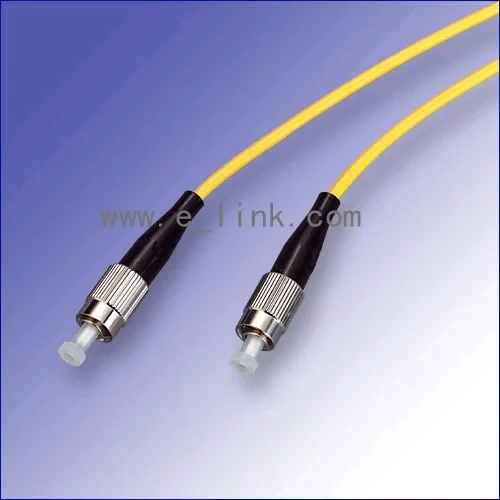
Fiber Optic Patchcord
Factory-terminated jumpers that turn a planned link budget into a working one
11 products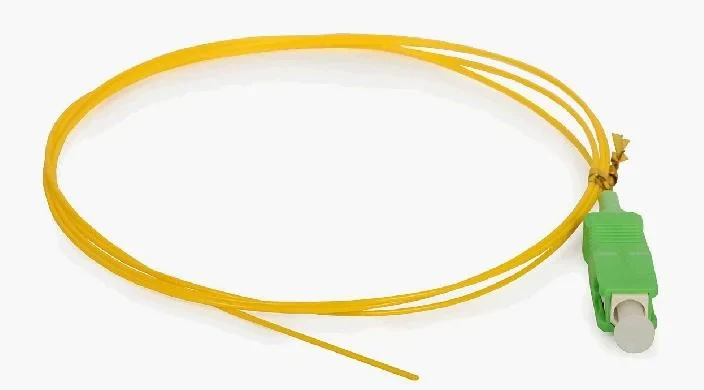
Various Pigtail
Pre-terminated tails that put the factory end face inside your splice tray
12 products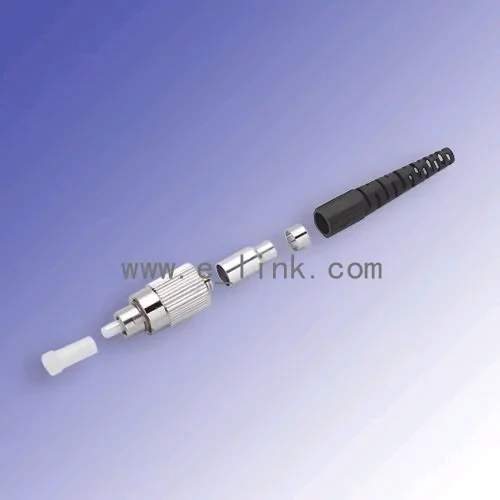
Fiber Optic Connector
Connector bodies and kits for assembly houses and field termination
8 products
Fiber Adapter
Same-type mating sleeves that hold two ferrules on one axis
18 productsIndustries and Solutions
Have A Specification To Check
Send the part, the drawing or the link budget. We will confirm what fits before you commit to an order.