
Coaxial Connector
Feeder and instrument connectors that keep impedance continuous
All 4 Coaxial Connector Products
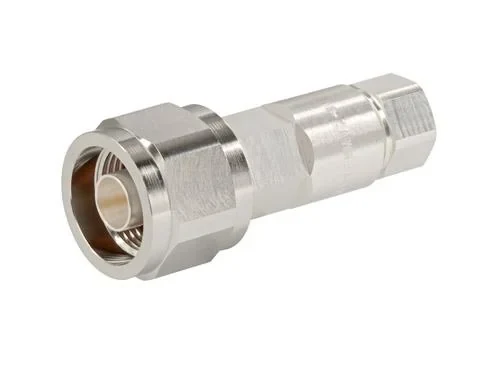
3/8 Connector
Used for test bench connections on measurement equipment.
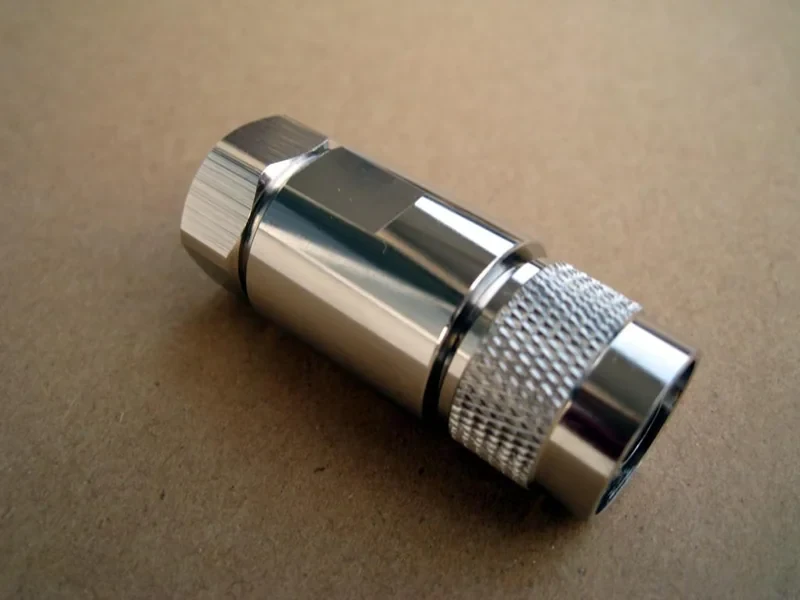
View Details1/2 Connector
Used for maintenance replacement of a corroded outdoor connector.
View Details
BNC M Connector for BT-3002
Used for patching video and instrumentation signals.
View Details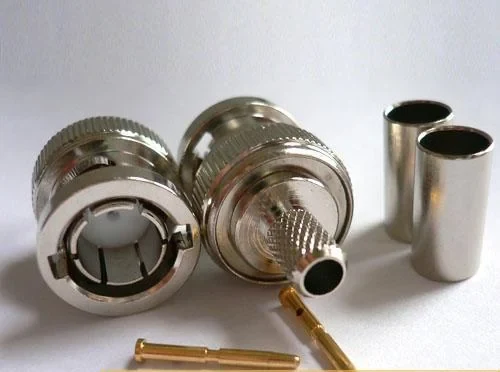
BNC Male for BT3002
Used for terminating feeder at an antenna or at equipment.
View DetailsCoaxial Connector In Practice
A coaxial connector is a short length of transmission line with the same impedance as the cable, and every place that assumption breaks down shows up as a reflection. Matching the connector to the exact cable construction is not a formality; it is the whole job.
Problems This Range Solves
- Reflections caused by connectors that do not match the cable construction
- Water ingress at outdoor connections
- 50 and 75 ohm parts mixed on the same system
- Field terminations done without the correct preparation tool
- Instrument ports damaged by over-tightening
Who It Is For
- RF and wireless installation contractors
- Broadcast and CCTV installers
- Test and instrumentation laboratories
- Antenna system integrators
- Distributors supplying RF consumables
Where It Is Used
- Terminating feeder at an antenna or at equipment
- Building RF jumper assemblies
- Patching video and instrumentation signals
- Test bench connections on measurement equipment
- Maintenance replacement of a corroded outdoor connector
What You Get From Our Coaxial Connector
Advantages
- Connectors matched to the specific feeder construction
- Weatherproofing provision on outdoor types
- Consistent impedance through the transition
- Instrument-grade versions for test benches
- Supplied alongside the matching cable from one source
Technical Features
- Sizes matched to 1/2 inch and 3/8 inch feeder
- BNC types for video and instrumentation
- Impedance-matched body construction
- Weatherproofing provision on outdoor types
- Plated contacts for stable long-term connection
Materials
- Brass or copper alloy body with plating
- PTFE or equivalent dielectric
- Gold or silver plated center contact
- Rubber sealing components on outdoor types
Customization Options
- Connector type and cable size
- 50 or 75 ohm impedance
- Straight or right-angle body
- Plating specification
- Kitted assemblies with matching cable
Manufacturing Process
- Body machining and plating
- Dielectric and contact assembly
- Dimensional and impedance verification
- Return loss sampling
- Kit packing with sealing components
Quality Control
- Return loss measured on sample units
- Dimensional verification against the connector standard
- Plating thickness sampled per lot
- Sealing performance verified on outdoor types
- Kit contents verified before dispatch
Where This Range Is Specified
Specifying and Handling Coaxial Connector
Before You Order
- Match the connector to the exact cable construction, not just the diameter
- Use the correct preparation tool; hand-trimmed feeder rarely terminates well
- Check impedance is consistent across the whole system
On Site
- Weatherproof every outdoor joint with tape or a boot
- Torque to the stated value rather than as tight as it will go
- Sweep the assembly after termination to confirm return loss
Coaxial Connector Questions
How do I choose the right connector for my feeder?
By the exact cable construction, not just the nominal size. Send us the cable part number and we will confirm the matching connector, because a connector intended for a different dielectric will not give the return loss you expect.
What is the difference between 50 and 75 ohm BNC?
The internal geometry differs even though the bodies look similar. Mixing them on a video path causes reflections that show as ghosting, so keep the two stocks physically separated.
Are weatherproof versions available?
Outdoor types include sealing provision, and every outdoor joint should additionally be taped or booted. Water ingress is the most common failure mode on mast-mounted connections.
Do I need a special preparation tool?
Yes for feeder connectors. The cable has to be cut and stripped to defined dimensions, and hand trimming is the usual reason a termination fails its sweep.
Can you supply pre-terminated jumper assemblies?
Yes, cut and terminated to your length with the matching cable, which removes field termination from the critical path.
More Network & Testing
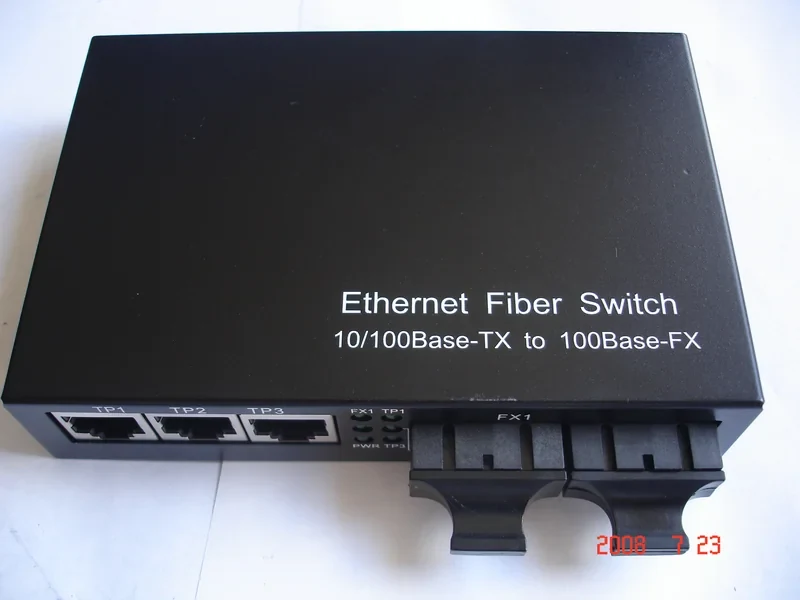
Fiber Optic Media Converter
Copper to fiber conversion where distance or interference rules out twisted pair
8 products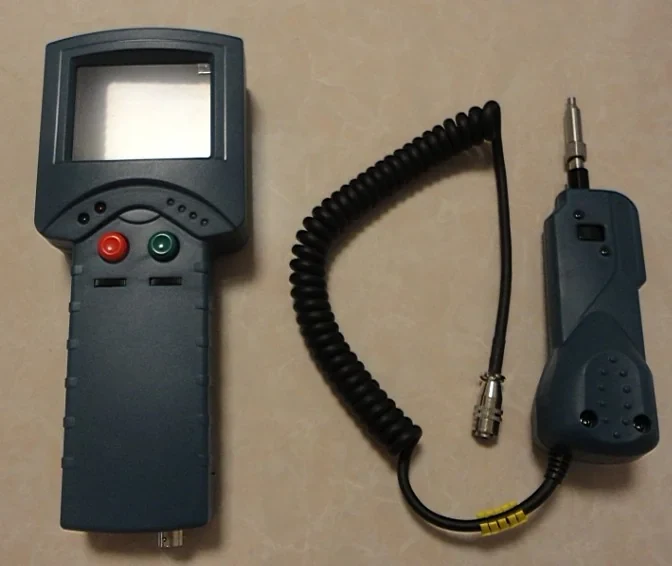
Test Equipment
Splicers, meters, identifiers and inspection tools for people who have to prove the link works
15 products
Fiber Cleaning Tool
The cheapest fix for the most common cause of optical loss
3 products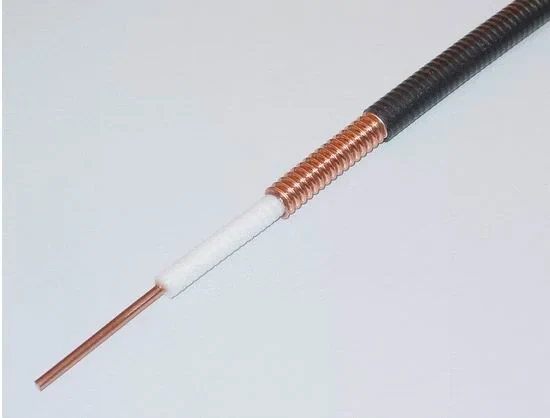
Coaxial Cable
Feeder and data cable for RF distribution and structured copper runs
3 productsGet Pricing On Coaxial Connector
Email the model and quantity and we will reply with pricing, lead time and a datasheet for any item in the coaxial connector range.